Table of Contents
Picture this: you’re crushing your interval training, heart pounding with effort, when a sudden flutter makes you pause. Or maybe you’ve noticed unexplained fatigue after workouts that used to leave you energized. For dedicated athletes, the heart isn’t just a muscle; it’s the engine driving every sprint, climb, and endurance push. Yet, while we meticulously track steps, VO2 max, and recovery scores, the most critical organ often gets monitored only reactively – after something feels off. This growing awareness of cardiac health within the athletic community is sparking a revolution in personal heart monitoring, moving far beyond basic heart rate straps. Understanding your heart’s electrical activity during and after intense effort isn’t just for elite competitors anymore; it’s becoming a vital tool for any active person serious about longevity and peak performance.
The rise of accessible ECG (electrocardiogram) technology in wearable form has opened a powerful window into real-time heart function. For athletes specifically, who routinely push their cardiovascular systems to extremes, this capability offers unique insights that standard optical heart rate monitors simply cannot provide. It’s about distinguishing between a harmless post-exercise arrhythmia common in fit individuals and a potentially serious rhythm disturbance. It’s about catching subtle signs of overtraining stress before it leads to injury or burnout. While these devices aren’t medical diagnostics, they empower proactive conversations with healthcare providers, transforming how athletes manage their most essential performance metric: a healthy, resilient heart. Let’s explore what truly matters when choosing a wearable ECG tool designed for the demands of an active life.
Top 10 ECG Monitoring Wearables for Athletes
Detailed Product Reviews
1. EMAY Portable ECG Monitor | Record ECG and Heart Rate | Compatible with Smartphone and PC

Overview:
This entry-level OTC ECG monitor enables basic home heart health tracking by recording Lead I ECG signals and heart rate. It connects via USB to PCs or Bluetooth to smartphones, targeting users seeking affordable self-monitoring without medical supervision.
What Makes It Stand Out:
Its dual connectivity (USB/Bluetooth) and rechargeable battery offer flexibility for home use. The free companion software allows sample storage, time-stamped reviews, and basic measurements—uncommon at this price point. However, it lacks FDA clearance and clinical validation.
Value for Money:
As a budget-conscious option, it delivers core functionality for preliminary heart checks. Priced significantly lower than medical-grade alternatives, it suits casual users but falls short for clinical accuracy needs. Competitors often require subscriptions, making this a cost-effective starter tool.
Strengths and Weaknesses:
Strengths: Simple setup; no hidden fees; reusable battery; stores historical data.
Weaknesses: Limited to single-lead (reduced diagnostic value); not FDA-cleared; pacemaker users incompatible; less reliable for arrhythmia detection.
Bottom Line:
Ideal for basic heart rate tracking beginners, but avoid if seeking medical insights. Its affordability and ease of use justify the price for non-critical monitoring, though serious health concerns warrant professional-grade devices.
2. EMAY 6L Portable ECG Monitor | Record ECG and Heart Rate in 6 Channels | Compatible with Smartphone and PC | No Subscription Required

Overview:
This step-up model records 6-channel ECG data for home use, eliminating subscription fees while offering multi-lead analysis. It pairs with smartphones/PCs via Bluetooth/USB and emphasizes accessibility for ongoing heart health checks.
What Makes It Stand Out:
True 6-lead recording (vs. single-lead alternatives) provides richer cardiac data without recurring costs—a rarity in budget monitors. The rechargeable battery and free software suite (case reviews, measurements) enhance practicality for frequent users.
Value for Money:
Competitively priced for a multi-lead device, it outperforms single-lead rivals in data depth while avoiding subscription traps. Though not FDA-cleared, its value shines for users prioritizing cost efficiency over clinical validation, especially compared to premium brands.
Strengths and Weaknesses:
Strengths: No subscriptions; 6-lead capability; robust data storage; USB/Bluetooth versatility.
Weaknesses: Lacks FDA clearance; not for pacemaker users; accuracy may lag behind medical devices; limited arrhythmia analysis.
Bottom Line:
A compelling mid-tier choice for detailed home ECG tracking without financial commitment. Best for tech-savvy users needing more data than single-lead devices offer, but consult a doctor for diagnosed conditions.
3. KardiaMobile 6L EKG Monitor, Medical-Grade, FDA-Cleared Heart Monitor, 6 Views of The Heart, Results in 30 Seconds, Unlimited Recordings, Works with Smartphones, HSA&FSA Eligible, Pocket-Size
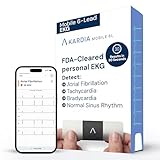
Overview:
This FDA-cleared, pocket-sized monitor delivers medical-grade 6-lead EKGs in 30 seconds, targeting proactive health management. It syncs via Bluetooth to smartphones, offering clinical-grade data for arrhythmia detection without Wi-Fi or PC dependency.
What Makes It Stand Out:
Its FDA clearance and cardiologist endorsements validate clinical reliability—detecting AFib, bradycardia, and tachycardia with 6x the data of single-lead devices. HSA/FSA eligibility, unlimited free recordings, and seamless doctor sharing via the Kardia app cement its premium positioning.
Value for Money:
Priced higher than non-cleared alternatives, it justifies costs through medical accuracy and zero mandatory subscriptions. The optional KardiaCare ($10/mo) adds advanced features, but core functionality remains robust standalone—ideal for those needing trustworthy data for medical consultations.
Strengths and Weaknesses:
Strengths: FDA-cleared accuracy; detects multiple arrhythmias; portable; FSA-eligible; no essential subscriptions.
Weaknesses: Premium cost; KardiaCare needed for full arrhythmia coverage; finger-placement technique requires practice.
Bottom Line:
The top choice for clinically reliable home ECG monitoring. Highly recommended for at-risk users or those requiring doctor-validated data, though budget-conscious buyers may consider simpler alternatives.
4. KardiaMobile 1-Lead EKG Monitor, Medical-Grade FDA-Cleared Personal Heart Monitor, Detects Normal, AFib & Arrhythmias, Unlimited Recordings, 30 Second Results, Works with most Smartphones, Pocket-size
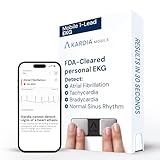
Overview:
This compact, FDA-cleared device provides single-lead EKGs in 30 seconds via smartphone, focusing on simplicity for detecting AFib, bradycardia, and normal rhythms. It operates without Bluetooth, Wi-Fi, or cords, prioritizing ease of use.
What Makes It Stand Out:
Its ultra-portability (under 1 oz) and plug-and-play operation—just place fingers on sensors—make it the most accessible entry point. FDA clearance ensures baseline accuracy for critical arrhythmias, while unlimited free recordings and FSA eligibility enhance usability.
Value for Money:
As the most affordable FDA-cleared option, it offers exceptional value for basic arrhythmia screening. Though limited to single-lead data, its price undercuts multi-lead devices while covering essential diagnostics—perfect for occasional checks or travel.
Strengths and Weaknesses:
Strengths: Extremely portable; FDA-cleared; no subscriptions for core use; simple operation; FSA-eligible.
Weaknesses: Single-lead limits diagnostic depth; misses complex arrhythmias; KardiaCare subscription required for advanced analysis.
Bottom Line:
An excellent budget-friendly tool for fundamental heart rhythm checks. Recommended for travelers or users needing quick AFib screening, but those with complex conditions should opt for multi-lead models.
5. Biotricity Bioheart | 24/7 Continuous Heart Monitor | No Prescription Needed | Smart Wearable | Chest Strap | One Month Subscription Included (Small)
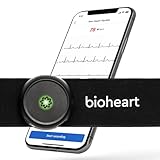
Overview:
This wearable chest strap delivers true 24/7 continuous ECG monitoring—unlike spot-check devices—streaming real-time data via Bluetooth to a smartphone app. It includes a one-month subscription for AI-driven insights and clinician-reviewed reports.
What Makes It Stand Out:
Uninterrupted cardiac tracking captures elusive arrhythmias missed by intermittent monitors. Clinician-trusted accuracy (used by 2,500+ specialists), combined with comfortable fabric straps for sleep/exercise, sets it apart for comprehensive diagnostics.
Value for Money:
Higher upfront cost is offset by clinical-grade utility for chronic conditions. The included subscription adds immediate value, though ongoing fees apply afterward. Justifies pricing for users needing persistent monitoring—superior to spot-check devices for episodic symptom correlation.
Strengths and Weaknesses:
Strengths: 24/7 medical-grade monitoring; AI insights; comfortable wear; no prescription; shareable PDF reports.
Weaknesses: Requires ongoing subscription; chest strap less discreet than pocket devices; limited to included strap size.
Bottom Line:
Essential for diagnosing intermittent heart issues. Highly recommended for patients with unexplained symptoms, though the subscription model may deter casual users seeking one-time checks.
6. KardiaMobile 6L Max EKG Monitor, FDA-Cleared Heart Monitor, Medical-Grade Results in 30 Seconds, Unlimited Recordings, Works with Smartphones and Tablets, Includes One-Year KardiaCare Subscription

Overview: The KardiaMobile 6L Max is a premium personal EKG monitor delivering clinical-grade, six-lead heart rhythm analysis in 30 seconds. Designed for home use, it syncs with smartphones to detect arrhythmias and includes a one-year KardiaCare subscription for enhanced features.
What Makes It Stand Out: Its six-lead system captures six times more cardiac data than single-lead competitors, detecting six specific arrhythmias (including AFib and PVCs) with FDA-cleared accuracy. The included KardiaCare subscription adds board-certified cardiologist reviews (one free quarterly) and automatic email sharing to doctors—features rarely bundled at this price point.
Value for Money: At a higher cost than basic monitors, it justifies its price through medical-grade precision and the year-long subscription. Alternatives often charge separately for similar analytics, making this a smarter long-term investment for serious heart health monitoring.
Strengths and Weaknesses:
Pros: Unmatched six-lead detail; seamless doctor data sharing; cardiologist access; no recording limits.
Cons: Requires KardiaCare activation (slight setup friction); subscription renews at full price after year one; not ideal for pacemaker users.
Bottom Line: Essential for those needing advanced arrhythmia detection beyond basic AFib screening, especially with the included subscription. Highly recommended for proactive cardiac care despite the premium cost.
7. Monerr Portable ECG Monitor | Record and Store One-Lead ECG Signals | Monitor and Display Heart Rate for Home Health Care Use -White

Overview: The Monerr Portable ECG Monitor offers budget-friendly, single-lead heart tracking for home health use. It records basic ECG signals and displays metrics like heart rate and QRS complex via Bluetooth to iOS/Android devices, targeting fitness enthusiasts and older adults.
What Makes It Stand Out: Its standout feature is zero subscription requirements—unlike competitors—while providing unlimited data storage and sharing. The focus on core metrics (PR interval, QTc) at an entry-level price makes it accessible for casual monitoring without recurring fees.
Value for Money: Extremely cost-effective for users seeking fundamental ECG snapshots. Priced significantly below medical-grade devices, it’s ideal for spot checks but lacks diagnostic depth. Cheaper than Kardia’s 1-lead model yet delivers comparable basic functionality without hidden costs.
Strengths and Weaknesses:
Pros: No subscriptions; unlimited storage; simple Bluetooth setup; affordable.
Cons: Single-lead limits arrhythmia detection; not for pacemaker users; requires skin prep for accuracy; no FDA clearance for medical diagnosis.
Bottom Line: A solid entry option for budget-conscious users needing occasional heart rhythm checks, but insufficient for clinical concerns. Best for fitness tracking or preliminary home use.
8. KardiaMobile 1-Lead EKG Monitor, Medical-Grade FDA-Cleared Personal Heart Monitor, Detects Normal, AFib & Arrhythmias, Unlimited Recordings, 30 Second Results, Works with most Smartphones, Pocket-size
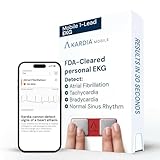
Overview: KardiaMobile’s 1-Lead is a compact, FDA-cleared EKG monitor providing 30-second heart rhythm readings. Pocket-sized and subscription-free for basic use, it detects AFib, bradycardia, and normal rhythms—ideal for travelers or those needing quick spot checks.
What Makes It Stand Out: Its portability (under 1 oz) and instant results without Bluetooth/Wi-Fi set it apart. As the “#1 Cardiologist Recommended” brand, it leverages 350+ million EKGs recorded for reliable AFib screening, with optional KardiaCare upgrades for deeper analysis.
Value for Money: Priced mid-range, it’s excellent value for core arrhythmia detection. Cheaper than the 6L Max but lacks multi-lead precision. The free app and FSA/HSA eligibility enhance affordability, though advanced features require a $10/month KardiaCare add-on.
Strengths and Weaknesses:
Pros: Ultra-portable; FDA-cleared; no setup fees; immediate results; doctor-sharing capability.
Cons: Single-lead misses complex arrhythmias; KardiaCare needed for full potential; limited to basic rhythm detection.
Bottom Line: The top choice for affordable, on-the-go AFib screening. Perfect for travelers or supplementary monitoring, though multi-lead users should consider pricier alternatives.
9. Biotricity Bioheart | 24/7 Continuous Heart Monitor | No Prescription Needed | Smart Wearable | Chest Strap | One Month Subscription Included (Medium)

Overview: The Biotricity Bioheart is a prescription-free, continuous 24/7 heart monitor using a chest strap for medical-grade tracking. It syncs via Bluetooth to provide real-time insights and AI-driven reports, targeting users needing extended rhythm analysis without clinic visits.
What Makes It Stand Out: Unlike spot-check devices, its continuous monitoring captures intermittent arrhythmias missed by single-lead EKGs. Trusted by 2,500+ cardiologists, it delivers AI-powered PDF reports and seamless physician sharing—critical for diagnosing elusive conditions.
Value for Money: Higher initial cost is offset by the included one-month subscription and clinical-grade accuracy. While pricier than spot-check monitors, it eliminates repeated clinic tests for ongoing issues, proving cost-effective for chronic condition management.
Strengths and Weaknesses:
Pros: 24/7 medical-grade data; no prescription; comfortable fabric strap; AI trend analysis; physician-ready reports.
Cons: Monthly subscription renews after trial; requires consistent wear; not for casual users; limited to strap-based use.
Bottom Line: Unbeatable for diagnosing irregular heart rhythms through continuous tracking. Highly recommended for those with suspected intermittent arrhythmias, despite the subscription model.
10. Livenpace 1-Lead Heart Health Monitor at Home, Portable 24 Hours Chest Lead Device with Free AI Analysis & PC Report, Rechargeable Recorder, HHM1

Overview: The Livenpace HHM1 is a 24-hour chest-strap ECG recorder offering continuous monitoring with free AI analysis. It stores 30 hours of data, generates PDF reports via PC software, and targets users seeking extended home-based heart health tracking without subscriptions.
What Makes It Stand Out: Its 24-hour continuous recording and AI-driven detection of 16 arrhythmia categories stand out in the budget segment. The included PC software provides detailed trend analysis and report sharing—features typically requiring subscriptions in competing devices.
Value for Money: Excellent value for extended monitoring at a mid-range price. Cheaper than Biotricity’s continuous option, with no recurring fees. The rechargeable design and 10-recording storage beat disposable-holter alternatives, though mobile app support is limited.
Strengths and Weaknesses:
Pros: 24-hour continuous tracking; free AI analysis; no subscription; comfortable strap; PC report management.
Cons: Requires PC (no mobile app); manual report review needed; single-lead limits accuracy; less portable than pocket devices.
Bottom Line: A practical solution for cost-effective, extended heart monitoring. Ideal for preliminary 24-hour checks, but professionals may prefer real-time wearable alternatives.
Understanding the Athlete’s Unique Cardiac Monitoring Needs
Athletes subject their cardiovascular systems to extraordinary stresses that differ significantly from the general population. Recognizing these specific demands is crucial when evaluating ECG wearables.
Why Standard Heart Rate Monitoring Falls Short for Performance Insight
Basic optical heart rate (PPG) sensors, common in most fitness trackers, measure blood flow changes under the skin. While useful for general trends, they struggle significantly during high-intensity efforts, rapid heart rate changes, or with excessive movement – precisely when athletes need the most accurate data. More critically, PPG cannot detect the electrical patterns of the heart, which is essential for identifying specific arrhythmias like atrial fibrillation (AFib) or pauses that might occur during or after intense exertion. Relying solely on PPG can lead to missed signals or false alarms, failing to provide the deep cardiac insight athletes require for truly informed training decisions.
The Critical Role of ECG in Athletic Heart Health
An ECG measures the electrical impulses that trigger each heartbeat, creating a distinct waveform (P wave, QRS complex, T wave). This allows for precise identification of rhythm abnormalities that optical sensors might misread or miss entirely. For athletes, this is paramount. Conditions like ventricular tachycardia, though rare in healthy individuals, can be life-threatening. More commonly, athletes experience benign but noticeable rhythm variations like sinus arrhythmia or occasional premature beats. An ECG wearable provides the clarity to differentiate between normal athletic adaptations and potential red flags, enabling timely medical consultation when necessary and peace of mind when rhythms are benign.
Navigating the “Athlete’s Heart” vs. Potential Pathology
Endurance athletes often develop physiological adaptations known as “athlete’s heart,” including a lower resting heart rate (bradycardia) and enlarged heart chambers. While generally healthy, these adaptations can sometimes mimic signs of underlying conditions on basic readings. ECG wearables provide the detailed electrical signature needed to help medical professionals distinguish between a robust, trained heart and potential pathology. This distinction is vital to avoid unnecessary anxiety or, conversely, missing a genuine issue that requires attention, ensuring athletes train confidently and safely.
Essential Technical Features for Performance-Grade ECG Wearables
Not all ECG wearables are created equal, especially when subjected to the rigors of athletic training. Specific technical capabilities separate adequate devices from those truly suited for active users.
Accuracy and Regulatory Validation: Beyond Marketing Claims
The absolute cornerstone is clinical-grade accuracy validated through recognized regulatory pathways (like FDA clearance or CE marking as a medical device). Look for explicit statements about the device’s intended use for arrhythmia detection (e.g., AFib) and confirmation that its algorithm has undergone rigorous clinical testing against gold-standard 12-lead ECGs. Avoid devices that make vague claims about “heart health insights” without specific validation for ECG rhythm analysis. Accuracy during motion is particularly critical for athletes – seek data on performance during activities, not just at rest.
Motion Artifact Resistance: Performing Under Real-World Duress
Sweat, rapid arm movement, muscle contractions, and varying skin contact during running, cycling, or weightlifting create significant electrical “noise” (motion artifacts) that can corrupt ECG signals. Advanced wearables employ multi-point sensing, sophisticated signal processing algorithms (often AI-powered), and specific electrode placements designed to filter out this noise. This ensures the ECG trace remains readable and reliable even during high-motion activities, providing usable data when it matters most – not just when sitting still.
Sensor Placement and Wearability During Dynamic Movement
The location of the ECG sensors is critical for athletic use. Wrist-based devices requiring finger contact on buttons are impractical mid-run or mid-lift. Integrated wrist sensors that capture a lead I equivalent ECG (between two points on the wrist) offer the most seamless experience for continuous or on-demand monitoring during activity. Consider how securely the device stays in place, the comfort of the materials against sweaty skin, and whether the sensor design minimizes irritation during prolonged wear or repetitive motion.
Practical Considerations for the Active User
Beyond raw technical specs, real-world usability factors heavily influence whether an ECG wearable becomes a valuable tool or gathers dust in a drawer.
Battery Life and Charging Realities for Training Cycles
Athletes need devices that keep up with demanding schedules. Consider the impact of frequent ECG recordings on battery drain. A device needing daily charging is a non-starter for weekend warriors or those on multi-day training camps. Look for models offering several days of typical use (including periodic ECG checks) on a single charge, with fast charging capabilities. Evaluate how charging integrates into your routine – magnetic pins vs. proprietary docks, charging time, and whether the device can function meaningfully while charging.
Seamless Integration with Existing Training Ecosystems
Your ECG data is most powerful when viewed alongside other performance metrics. Ensure the wearable integrates smoothly with your preferred training platform (like popular sports apps or coaching software). This allows correlating ECG readings with heart rate variability (HRV), training load, sleep quality, and perceived exertion. Does the app provide clear, actionable insights from the ECG data within the context of your training log, or is it siloed information? Unified data visualization is key for holistic understanding.
Comfort and Durability: Surviving Sweat, Impact, and Elements
This isn’t a device you take off for workouts. It must withstand sweat, rain, pool chlorine, and the occasional bump without compromising sensor function or user comfort. Materials should be hypoallergenic to prevent rashes during long efforts. The band needs to stay securely in place without chafing, even during high-impact activities. Water resistance ratings (ATM or IPX) should match your activities – swimming requires higher standards than trail running. Prioritize comfort for 24/7 wear, as consistent monitoring provides the most valuable longitudinal data.
Interpreting Data: From Readings to Actionable Insights
Owning an ECG wearable is only the first step; understanding and wisely using the information it provides is where real value lies for the athlete.
Recognizing Normal Athletic Variations vs. Warning Signs
Fit individuals commonly experience sinus arrhythmia (heart rate varying with breathing), occasional premature atrial or ventricular contractions (PACs/PVCs), and significant nocturnal bradycardia. An ECG wearable can help you recognize these benign patterns. However, persistent palpitations with documented irregular rhythms (like AFib), prolonged pauses (>3 seconds), or very rapid, irregular rhythms during exertion warrant prompt medical attention. Learning to distinguish common, harmless variations from potential concerns reduces anxiety and focuses attention on genuine issues.
The Vital Importance of Context: Correlating ECG with Other Metrics
An isolated ECG reading has limited value. Was that irregular rhythm captured during intense hill repeats, deep sleep, or while dehydrated after a long ride? Context is everything. Always review ECG results alongside your activity type, intensity, hydration status, sleep quality, recent illness, and stress levels. A single AFib detection post-marathon is very different from one occurring at rest during a normal workday. The most sophisticated platforms help automate this correlation, highlighting potential triggers or confirming benign contexts.
Building a Proactive Partnership with Your Healthcare Provider
These devices are powerful conversation starters, not diagnostic tools. The most crucial step after capturing an unusual ECG trace is sharing it with your physician or cardiologist, especially one familiar with athlete physiology. Bring the actual ECG report (most apps allow PDF export), your activity log, and notes on how you felt. This collaborative approach provides your doctor with rich, real-world data they couldn’t get from a single clinic visit, enabling more informed assessments and personalized guidance tailored to your athletic pursuits.
Limitations and Responsible Usage for Athletes
Understanding what ECG wearables cannot do is just as important as knowing their capabilities to avoid misinterpretation and false security.
Not a Replacement for Professional Medical Evaluation
This cannot be overstated. ECG wearables are screening and monitoring tools. They are not substitutes for comprehensive cardiac evaluations by healthcare professionals, especially if you have known risk factors, symptoms like chest pain or unexplained syncope (fainting), or a family history of heart conditions. They cannot diagnose structural heart problems, blockages, or many other serious conditions. Relying solely on a wearable for cardiac health assessment is dangerous.
Understanding Detection Scope: What Arrhythmias Are Covered?
Most consumer ECG wearables are primarily validated for detecting Atrial Fibrillation (AFib) and sometimes sinus rhythm confirmation. They are generally not designed or validated to reliably detect ventricular tachycardia, heart block (beyond basic pauses), or other complex arrhythmias. Know the specific limitations of the technology you choose. An “irregular rhythm” notification often specifically refers to potential AFib, not all possible arrhythmias.
Avoiding Analysis Paralysis and Unnecessary Anxiety
Constant monitoring can lead to hypervigilance. Seeing a single PVC on an ECG report might cause undue stress, even though they are extremely common and usually benign in healthy athletes. Establish a sensible monitoring routine (e.g., checking after intense sessions or if you feel unusual symptoms) rather than obsessively scanning every heartbeat. Focus on trends over time and significant, recurring abnormalities, not isolated, fleeting events. Remember, the goal is empowerment, not anxiety.
Maximizing Value: Integrating ECG Monitoring into Your Training Strategy
Strategically incorporating ECG insights can enhance training intelligence and long-term cardiac resilience.
Using ECG Data for Optimized Recovery Assessment
Heart Rate Variability (HRV), often derived alongside ECG, is a key marker of autonomic nervous system balance and recovery status. While optical HRV has limitations, ECG-derived HRV is significantly more accurate. Tracking this alongside perceived recovery and training load helps identify when your body needs rest, potentially preventing overtraining syndrome – a state where cardiac stress can manifest in subtle rhythm changes. Consistent ECG/HRV trends provide objective data to fine-tune rest days and training intensity.
Identifying Potential Overtraining Through Cardiac Signals
Chronic excessive training without adequate recovery can strain the cardiovascular system. Subtle shifts in resting heart rate, increased resting heart rate variability (in some cases), or a higher frequency of benign arrhythmias like PVCs over time can be early warning signs. While not diagnostic alone, consistent ECG data patterns, combined with performance plateaus, fatigue, and mood changes, offer valuable clues that it’s time to reassess training volume or intensity before more serious consequences occur.
Establishing Longitudinal Baselines for Personalized Insights
Your “normal” ECG pattern is unique. The real power of continuous monitoring comes from establishing your personal baseline over weeks and months – your typical resting rhythm, how your heart recovers post-exercise, and your common benign variations. This personalized baseline makes it far easier to spot genuine deviations that warrant attention. What looks abnormal on a generic chart might be perfectly normal for you, and vice-versa. Consistency in monitoring builds this invaluable reference point.
Frequently Asked Questions
Frequently Asked Questions
Can an ECG wearable detect a heart attack?
No. Consumer ECG wearables are not designed to detect acute myocardial infarctions (heart attacks), which typically involve blocked arteries and specific ST-segment changes requiring immediate emergency medical attention. They primarily focus on rhythm detection like AFib.
How often should I take an ECG reading as an athlete?
There’s no one-size-fits-all answer. Focus on taking readings when you experience symptoms (palpitations, unusual fatigue, dizziness during/after exercise), after particularly intense or long sessions, or as part of a regular check-in (e.g., weekly at rest). Avoid obsessive, constant checking.
Will sweat ruin the ECG reading during my workout?
Advanced athletic-focused wearables are designed with motion and sweat in mind. While excessive sweat can sometimes interfere, models with robust motion artifact resistance and appropriate sensor placement (like integrated wrist sensors) typically provide usable readings even during sweaty activities. Wiping excess sweat before a reading can help.
Is an ECG reading taken while running as accurate as one taken at rest?
Accuracy during motion is challenging. While technology improves yearly, ECG readings taken during high-motion activities like running are generally less pristine than those taken at rest. However, modern devices strive for sufficient quality during activity to detect significant rhythm abnormalities like AFib, which is the primary athletic use case.
Can these devices detect high blood pressure?
No. ECG wearables measure electrical activity, not blood pressure. Some may estimate blood pressure trends using PPG, but this is highly inaccurate, especially during or after exercise, and should not be relied upon. Dedicated blood pressure monitors are required for actual BP measurement.
Do I need a prescription to use an ECG wearable?
Generally, no. Most consumer ECG wearables designed for wellness and screening are available over-the-counter. However, some higher-end medical-grade monitors might require a prescription depending on regional regulations and the device’s specific classification.
How do I share my ECG results with my doctor?
Reputable apps allow you to easily export your ECG recordings as PDF reports, often including the waveform trace, timestamp, and the device’s interpretation. Save these PDFs and share them directly with your physician during your appointment, either digitally or printed.
Can ECG wearables replace my annual sports physical?
Absolutely not. An annual physical, including potential stress tests or echocardiograms as recommended by your sports medicine physician, is essential for comprehensive cardiac screening, especially for competitive athletes. ECG wearables are supplementary tools for ongoing monitoring between professional evaluations.
Are the ECG results stored securely and privately?
Reputable brands prioritize data security and privacy, typically encrypting data in transit and at rest. Review the device manufacturer’s privacy policy carefully to understand how your sensitive health data is stored, used, and whether it’s shared (e.g., anonymized for research). Opt for companies with clear, stringent privacy commitments.
What’s the biggest mistake athletes make with ECG wearables?
The most common pitfalls are ignoring significant findings (like persistent irregular rhythms) or, conversely, becoming overly anxious about normal athletic heart variations (like sinus arrhythmia or occasional PVCs). Always consult a healthcare professional for interpretation of concerning results, and educate yourself on common benign patterns in athletes.
See Also
- 10 Top-Rated ECG Monitoring Wearables According to Heart Health Experts in 2026
- Stop Worrying About Silent AFib with the 10 Best ECG Enabled Wearables This Year
- 10 Best ECG Monitoring Wearables After 6 Months of Testing in 2026
- 10 Best ECG Monitoring Wearables for Diabetics Managing Cardio Risks in 2026
- 10 Game-Changing Smart Rings with ECG for Sleep-Phase Heart Monitoring in 2026