Table of Contents
Starting your running journey is exhilarating—you feel the wind in your face, the rhythm of your feet hitting the pavement, and that powerful sense of freedom with every stride. But as a beginner, it’s easy to get lost in the noise of gadgets promising to revolutionize your training. A GPS running watch might seem like a luxury, but it’s actually a game-changer: it transforms vague guesses about distance and pace into clear, actionable insights. Imagine knowing exactly how far you ran without counting streetlights or wondering if you’re improving—this little device on your wrist becomes your personal coach, silently tracking progress and turning “I think I ran okay” into “I know I crushed my goal.” For newcomers, it’s not just about numbers; it’s about building confidence through data that proves you’re capable of more than you imagined.
Yet, walking into the world of running tech can feel like deciphering a foreign language. With terms like “heart rate variability,” “multi-band GPS,” and “elevation gain” thrown around, it’s no wonder many beginners hesitate or overspend on features they’ll never use. The truth? You don’t need the most expensive model to start strong—you need the right tool that grows with you. This guide cuts through the jargon to focus on what truly matters for someone lacing up for the first time: simplicity, reliability, and features that actually support your early milestones. We’ll help you avoid common pitfalls, like buying a watch that dies mid-run or overwhelms you with complex menus, so you can focus on what counts—enjoying the run and building lasting habits.
Top 10 GPS Running Watches for Beginners
Detailed Product Reviews
1. mibro GS Active2 Running GPS Smartwatch with 46mm AMOLED, Lightweight and 15-Day Battery, Supports Training Guidance and Dual-Band GNSS, 150+ Sport Modes (Dark Gray)

Overview:
This lightweight running smartwatch features a vibrant 46mm AMOLED display and a featherlight 39g build, prioritizing comfort during extended workouts. It delivers professional-grade running analytics and robust battery life for serious athletes and casual runners alike.
What Makes It Stand Out:
Dual-band GNSS ensures exceptional GPS accuracy across five satellite systems, while real-time metrics like VO₂ Max, cadence, and stride analysis provide coach-like insights. The Mibro Coach generates adaptive training plans (including 5K–half-marathon programs), and 150+ sport modes cater to diverse fitness routines. The 15-day battery life in daily mode is class-leading.
Value for Money:
Priced competitively below premium brands, it offers advanced features like route navigation and AMOLED clarity typically found in costlier models. The inclusion of free adaptive training plans adds significant value for runners seeking structured progression without subscription fees.
Strengths and Weaknesses:
Strengths: Ultra-lightweight design; best-in-class 15-day battery; dual-band GNSS precision; comprehensive running metrics; intuitive adaptive training.
Weaknesses: Limited smart features (e.g., no music storage); basic app ecosystem compared to Garmin; nylon band may lack durability for extreme conditions.
Bottom Line:
An outstanding choice for runners prioritizing battery life, accurate GPS tracking, and actionable training guidance at a mid-range price. Ideal for marathoners and data-driven fitness enthusiasts seeking reliability without frills.
2. Garmin Forerunner 55, GPS Running Watch with Daily Suggested Workouts, Up to 2 Weeks of Battery Life, Aqua
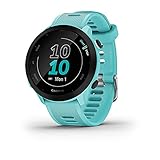
Overview:
Garmin’s entry-level Forerunner 55 simplifies performance tracking with wrist-based heart rate monitoring, GPS mapping, and intelligent training tools. It’s engineered for runners seeking reliable daily metrics without overwhelming complexity.
What Makes It Stand Out:
PacePro offers race-day GPS pacing strategies, while daily suggested workouts adapt to your fitness level. The 20-hour GPS battery life and two-week smartwatch endurance stand out, alongside versatile activity profiles spanning Pilates, HIIT, and pool swimming. Predictive race-time analytics are particularly valuable for goal-setting.
Value for Money:
Though pricier than budget brands, Garmin’s proven accuracy, robust ecosystem, and no-subscription-required analytics justify the cost. It outperforms cheaper alternatives in data reliability, making it a smart investment for runners committed to long-term progress.
Strengths and Weaknesses:
Strengths: Trusted Garmin GPS precision; intuitive PacePro guidance; exceptional battery balance; comprehensive recovery metrics; water-resistant for pool use.
Weaknesses: Basic monochrome display; no music storage; limited third-party app support; smaller screen may challenge readability mid-run.
Bottom Line:
A dependable, user-friendly gateway to serious running analytics. Perfect for beginners to intermediates who value Garmin’s coaching intelligence and battery reliability over smartwatch luxuries.
3. EZON GPS Running Watch with Distance Pace Alarm and Calorie Counter and Stopwatch for Men T031B01 Black

Overview:
This no-frills GPS watch focuses on core running metrics with straightforward tracking for distance, pace, and calories. Its utilitarian design targets budget-conscious users needing reliable basics without smart features.
What Makes It Stand Out:
Cold-start GPS (1 minute) and auto time sync via satellite ensure hassle-free setup. The one-tap exercise data review (storing 10 sessions) and 50-lap stopwatch with pace/speed tracking excel for interval training. Personalized fitness algorithms adjust metrics based on user profile data.
Value for Money:
Exceptional for under $50, offering accurate GPS essentials often missing in ultra-cheap alternatives. While lacking advanced analytics, it delivers precise stopwatch/lap functions and reliable distance tracking that outperform its price bracket.
Strengths and Weaknesses:
Strengths: Rapid GPS lock; customizable unit/profile settings; robust lap tracking; affordable; simple one-button operation.
Weaknesses: No heart rate monitor; basic monochrome display; limited data storage (10 workouts); no smartphone notifications; plastic build feels flimsy.
Bottom Line:
A solid budget pick for runners prioritizing lap timing and GPS distance accuracy over biometrics or smart features. Best for casual joggers needing essential metrics without complexity.
4. mibro GS Active2 Running GPS Smartwatch with 46mm AMOLED, Lightweight and 15-Day Battery, Supports Training Guidance and Dual-Band GNSS, 150+ Sport Modes (Light Purple)

Overview:
Identical to the Dark Gray variant but in a vibrant Light Purple finish, this Mibro model retains all performance-focused features. Its 46mm AMOLED screen and 39g weight ensure comfort during marathon sessions, appealing to style-conscious athletes.
What Makes It Stand Out:
Dual-band GNSS enables pinpoint route tracking, while real-time running ability index and VO₂ Max trends deliver pro-level insights. Mibro Coach crafts personalized 5K–half-marathon plans, and the 15-hour GPS battery survives ultramarathons. The AMOLED display remains vivid in sunlight.
Value for Money:
The Light Purple edition offers identical functionality to Product #1 at parity pricing. For runners wanting standout aesthetics without sacrificing dual-band accuracy or 15-day battery life, it’s a worthwhile style upgrade over competitors.
Strengths and Weaknesses:
Strengths: Fashion-forward color option; ultra-light comfort; dual-frequency GNSS precision; adaptive training plans; industry-leading battery stamina.
Weaknesses: Shallow smart capabilities; basic companion app; nylon strap may irritate sensitive skin; no onboard music.
Bottom Line:
Choose this Light Purple version if aesthetics matter—performance mirrors Product #1’s excellence. Highly recommended for runners seeking reliable, long-lasting GPS tracking with a pop of personality.
5. EZON GPS Running Watch with Distance Pace Alarm and Calorie Counter and Stopwatch for Men (Blue)

Overview:
The blue-hued counterpart to Product #3, this EZON watch delivers identical no-nonsense GPS tracking. It emphasizes essential metrics like pace alarms and calorie counting for runners wanting affordability and simplicity.
What Makes It Stand Out:
Instant hot-start GPS and auto time sync via satellite eliminate setup headaches. The 99-hour stopwatch with 50-lap memory excels for interval training, while personalized calorie algorithms adjust for user stats. One-tap access to 10 saved workouts streamlines post-run analysis.
Value for Money:
Priced identically to the black model, the blue variant offers the same exceptional value—core GPS precision at a fraction of premium watch costs. Ideal for students or beginners needing dependable lap tracking without biometric bloat.
Strengths and Weaknesses:
Strengths: Rapid GPS reconnection; customizable fitness profiles; durable stopwatch functions; budget-friendly; intuitive single-button interface.
Weaknesses: Zero heart rate monitoring; minimal data storage; plasticky build quality; no smart notifications; display visibility struggles in direct sun.
Bottom Line:
A functional, affordable tool for basic run tracking. Select the blue model for subtle style differentiation—the same reliable workhorse for runners focused purely on distance, pace, and lap timing.
6. Smart Watch with Built-in GPS and Offline Maps, 1.96" HD Display, Answer/Make Calls, 100+ Sport Modes, Heart Rate/Sleep/SpO2 Monitor, Fitness Activity Tracker for Android and iPhone, 2 Bands, Black

Overview: This versatile smartwatch targets active users seeking comprehensive health tracking and outdoor navigation. It combines built-in GPS with offline maps, a large HD display, call functionality, and extensive health monitoring in a single device compatible with both Android and iOS. What Makes It Stand Out: The standout feature is its true offline map capability, allowing route planning and navigation without phone signal – rare at this price. The 1.96" HD screen supports AI-generated watch faces from photos and robust voice-to-text replies (Android only), enhancing personalization and usability beyond typical budget smartwatches. Value for Money: Priced competitively against basic fitness bands, it delivers exceptional value by integrating navigation-grade GPS, SpO2/stress monitoring, and full calling features. While premium brands charge significantly more for similar functionality, this offers a compelling all-in-one package for explorers and fitness enthusiasts on a budget. Strengths and Weaknesses: Strengths: Reliable offline maps, large vibrant display, comprehensive health suite (including emotional analysis), dual-band design. Weaknesses: Voice reply limited to Android, GPS accuracy may lag behind dedicated sports watches, potential battery drain with constant map use. Build quality feels less premium than high-end models. Bottom Line: An outstanding choice for adventurers needing offline navigation and robust health tracking without overspending. Despite minor OS limitations, its feature density and practicality make it highly recommended for casual hikers and fitness users wanting a true standalone smartwatch experience.
7. PUBU Smart Watch for Men, Built-in GPS with Map(Answer/Make Call/Text), AI Smartwatch for Android Phones/iPhone, 100+ Sport Mode Fitness Tracker with Health/Sleep Monitor, Compass/Barometer(2 Bands)

Overview: Positioned as a rugged companion for men, this PUBU watch emphasizes outdoor readiness with GPS navigation, health tracking, and communication features. It targets users wanting a durable, feature-rich smartwatch for both daily life and adventures, compatible across major phone platforms. What Makes It Stand Out: Its integrated AI translation and Q&A functionality set it apart, enabling real-time language assistance during travel – uncommon in this segment. The inclusion of professional sensors (compass, altimeter, barometer) alongside offline maps provides serious outdoor utility, while the dual-band setup (leather/silicone) offers style flexibility. Value for Money: Offers remarkable value by packing niche outdoor tools and AI features typically found in pricier models. The large 550mAh battery promises longevity, justifying its mid-range cost against basic trackers. However, Garmin or COROS alternatives may offer superior sport-specific metrics for dedicated athletes at similar prices. Strengths and Weaknesses: Strengths: Exceptional outdoor sensor suite, useful AI tools, long battery life, versatile band options. Weaknesses: Smaller 1.46" display than competitors, voice reply restricted to Android, AI features may feel gimmicky for non-travelers. Build quality, while solid, lacks the premium feel of top-tier brands. Bottom Line: Ideal for travelers and outdoor hobbyists needing reliable navigation and AI-powered assistance. Though sport metrics aren’t as refined as Garmin, its unique feature blend and strong battery make it a smart buy for versatile, everyday-adventure use.
8. Garmin Forerunner 165, Running Smartwatch, Colorful AMOLED Display, Training Metrics and Recovery Insights, Black

Overview: Garmin’s Forerunner 165 is a focused running smartwatch designed for beginners to intermediate runners. It prioritizes training guidance and recovery insights with a vibrant AMOLED display, wrist-based heart rate, and essential GPS tracking in a lightweight, user-friendly package. What Makes It Stand Out: The standout is Garmin’s intelligent daily suggested workouts, which dynamically adapt based on your recovery status and performance – a feature usually reserved for higher-end models. The stunning AMOLED screen (rare in this category) ensures excellent visibility, while the morning wellness report provides actionable recovery data. Value for Money: Represents strong value within Garmin’s ecosystem, offering premium training analytics and a beautiful display at a lower entry point than models like the 255. It lacks advanced metrics (like running dynamics) found in pricier Forerunners but delivers core coaching effectively, making it ideal for runners not needing race-day complexity. Strengths and Weaknesses: Strengths: Bright AMOLED display, intuitive adaptive training plans, excellent battery life (11 days), comprehensive recovery metrics. Weaknesses: No music storage, limited third-party app support, basic health tracking compared to full smartwatches. Lacks advanced running dynamics sensors. Bottom Line: Highly recommended for runners seeking science-backed training guidance without overspending. Its adaptive coaching and superb display make it the perfect “first serious running watch,” though triathletes or data obsessives may need more advanced models.
9. COROS PACE 3 GPS Sport Watch–Lightweight, Comfortable Running Watch, 17-Day Battery Life, Accurate GPS, Heart Rate Monitor, Navigation, Sleep Tracking, Training Plan, Run, Bike - White Silicone

Overview: The COROS PACE 3 is an ultra-lightweight GPS sport watch engineered for endurance athletes. It emphasizes exceptional battery life, pinpoint GPS accuracy in challenging environments, and all-day comfort, targeting runners and cyclists who prioritize reliability during long sessions. What Makes It Stand Out: Its dual-frequency GPS chipset delivers exceptional location accuracy in urban canyons or dense forests – a rarity at this price. The featherlight 30g design (with nylon band) and industry-leading 38-hour GPS battery life are unparalleled, while breadcrumb navigation ensures you stay on custom routes without constant screen checks. Value for Money: Offers exceptional value for serious athletes, matching or exceeding Garmin’s GPS accuracy and battery performance at a lower cost. The 17-day daily battery life and robust route planning via the COROS app provide premium functionality without the premium price tag of flagship models. Strengths and Weaknesses: Strengths: Unbeatable battery life for GPS use, superior dual-frequency GPS accuracy, incredibly comfortable 24/7 wear, intuitive breadcrumb navigation. Weaknesses: Smaller 1.2" transflective display (less vibrant than AMOLED), limited smart features (no native music), ecosystem less mature than Garmin’s. Bottom Line: A top-tier choice for endurance runners and cyclists demanding reliable, long-lasting GPS performance. Its accuracy, comfort, and battery supremacy make it essential for trail runners and marathoners, despite fewer smartwatch frills.
10. Garmin Forerunner 55, GPS Running Watch with Daily Suggested Workouts, Up to 2 weeks of Battery Life, Black (Renewed)
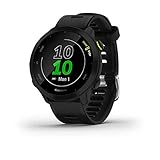
Overview: This Renewed Garmin Forerunner 55 is a budget-friendly entry into Garmin’s running ecosystem. It delivers core GPS tracking, daily workout suggestions, and impressive battery life, refurbished to factory standards for cost-conscious runners seeking reliable performance. What Makes It Stand Out: The standout feature is Garmin’s intelligent PacePro guidance, which tailors pacing strategies for specific courses or distances – a sophisticated tool unexpected at this price point. Its two-week smartwatch battery life and simple, intuitive interface make it exceptionally user-friendly for beginners. Value for Money: As a Renewed product, it offers outstanding value, providing 80-90% of the new model’s functionality at a significant discount. While lacking AMOLED or advanced metrics, it includes essential Garmin coaching features (like race predictions) that justify the cost for new runners, though battery longevity may be slightly reduced versus new units. Strengths and Weaknesses: Strengths: Excellent battery life, reliable PacePro feature, simple setup, affordable Renewed pricing. Weaknesses: Basic monochrome display, no advanced running dynamics, limited health tracking. Renewed status carries minor uncertainty about prior usage/wear. Bottom Line: Highly recommended for first-time runners wanting proven Garmin reliability without breaking the bank. The Renewed aspect makes core training tools accessible, though dedicated athletes should consider newer models for advanced metrics.
Understanding Your Needs as a Beginner Runner
Defining Your Primary Running Goals
Before diving into specs, pause and ask: What do you want to achieve? Are you training for a 5K, building general fitness, or just exploring running for stress relief? Your goal shapes everything—a casual jogger needs far less complexity than someone prepping for their first race. Beginners often overestimate how much data they’ll use early on, so prioritize watches that match your immediate objectives without overwhelming you.
Assessing How Much Detail You Require
It’s tempting to chase “pro-level” metrics, but as a newbie, you’ll likely only need the basics: distance, pace, and time. Fancy analytics like cadence or ground contact time can wait until you’ve logged consistent miles. Start with a device that highlights these fundamentals clearly, so you’re not drowning in screens when you’re still learning to breathe rhythmically.
The Critical Role of Simplicity
Your first running watch should feel intuitive, not like solving a puzzle. Look for models with straightforward menus, easy button navigation, or voice-guided setup. If you’re fumbling with settings while trying to catch your breath, you’ll dread using it—defeating the purpose. Simplicity ensures you actually wear it run after run.
Essential Features for Reliable Performance
GPS Accuracy and Why It Matters Most
For beginners, precise distance tracking is non-negotiable—a 10% error can derail your confidence. Opt for watches with strong satellite reception (like multi-GNSS support) that lock onto signals quickly, even in parks with tree cover. Avoid budget models that lag or drift, as inconsistent data makes it hard to trust your progress.
Core Metrics That Drive Early Success
Focus on watches that display real-time pace and elapsed time prominently. These two metrics help you avoid starting too fast (a common beginner mistake) and build pacing discipline. Heart rate monitoring is a bonus but not essential upfront—master the basics first.
Durability for Real-World Conditions
You’ll sweat, run in rain, and maybe even drop your watch—so choose one with at least 5 ATM water resistance and a rugged strap. Aluminum or fiber-reinforced cases handle bumps better than plastic, ensuring your investment survives clumsy moments without adding bulk.
Managing Power for Consistent Use
Daily vs. Weekly Charging Realities
Battery life varies wildly: basic GPS modes might last 10 hours, while advanced settings drain it in 5. For beginners logging 3–5 short runs weekly, aim for a watch that lasts 5+ days on a single charge. Frequent charging creates friction—skip models needing daily top-ups unless you’ll use minimal features.
How GPS Usage Impacts Endurance
Continuous GPS tracking is the biggest battery hog. Test if the watch offers “training mode” options that extend life (e.g., logging only distance without heart rate). If you run 30 minutes daily, prioritize efficiency over marathon-tracking capabilities you won’t need yet.
Smart Battery-Saving Strategies
Look for customizable power modes that let you disable non-essentials like notifications during runs. Some watches even auto-suspend GPS if you pause—ideal for beginners who might stop to catch their breath or tie a shoe. These tweaks prevent mid-run shutdowns that ruin motivation.
Comfort as a Non-Negotiable Factor
Achieving the Perfect Wrist Fit
A watch that slides or pinches will distract you instantly. Seek adjustable straps (silicone or nylon) that sit snug but not tight—about one finger’s width of space. Try virtual sizing guides online, as a 42mm case often fits smaller wrists better than 47mm for comfort during long runs.
Material Choices for All-Day Wear
Breathable materials like perforated silicone prevent chafing during sweaty sessions. Avoid metal bracelets that dig in or cause allergic reactions. For hot climates, lightweight nylon straps wick moisture better, turning your watch from a nuisance into a forgettable second skin.
Screen Visibility in Challenging Light
You’ll run at dawn, dusk, or under cloudy skies—so ensure the display is readable without squinting. Reflective LCD screens outperform OLED in direct sun, and high-brightness modes (adjustable via settings) prevent fumbling with touchscreens when your hands are damp.
Leveraging Data for Meaningful Progress
Key Metrics to Track Early Milestones
Start with just three data points: total distance, average pace, and run duration. Review these weekly to spot trends—like gradual pace improvements—without analysis paralysis. Overcomplicating early on leads to frustration, not motivation.
Seamless Smartphone Syncing
Your watch should auto-upload data via Bluetooth to a user-friendly app. Avoid devices requiring manual syncing or complex logins; friction here means missed insights. Check if the companion app offers simple graphs (not spreadsheets) to visualize your journey month-to-month.
Making Sense of Your Running Insights
Beginners often misinterpret data—like obsessing over a single slow run. Look for watches with built-in guidance (e.g., “recovery time” alerts) that contextualize metrics. The best tools nudge you toward consistency, not perfection, helping you celebrate small wins.
Navigating Ecosystem and Connectivity
Smart Notifications: Useful or Overwhelming?
While call/text alerts seem handy, they can shatter focus mid-run. Prioritize watches letting you customize which notifications appear (e.g., only emergencies). As a newbie, silence everything except run-related prompts to stay immersed in your workout.
App Compatibility with Your Existing Tools
Ensure the watch syncs with popular platforms like Strava or Apple Health. If you already use a fitness app, verify two-way data flow—no one wants to manually log runs. This avoids fragmented data that makes progress feel invisible.
Music Integration for Motivation
If you run without a phone, consider watches with onboard music storage. But skip this if you’re budget-conscious—it’s a luxury, not a necessity. Free streaming via Bluetooth (using your phone) works fine for most beginners starting out.
Smart Budgeting for Your First Investment
Establishing a Realistic Price Range
Beginner watches span $100–$400. Invest in the mid-tier ($200–$300) for balanced features without overspending. Avoid ultra-cheap models (<$150) with poor GPS accuracy—they’ll frustrate you faster than they save money.
When Higher Investment Pays Off
Splurge only on proven durability or battery life if you run daily in harsh conditions. Don’t pay for triathlon modes or advanced sleep tracking yet; these features gather dust for newcomers. Focus spending where it impacts your current routine.
Hidden Costs to Anticipate
Factor in subscription fees for premium app features (e.g., guided training plans). Many brands offer free tiers sufficient for beginners—read the fine print to avoid surprise charges down the road.
Setting the Stage for Long-Term Success
Realistic Capabilities vs. Hype
A watch won’t magically make you faster—it’s a mirror reflecting your effort. Understand it tracks data but doesn’t replace rest, nutrition, or smart training. Manage expectations to avoid disappointment when progress isn’t linear.
Navigating the Initial Learning Curve
Expect a 1–2 week adjustment period. Start with one metric (e.g., distance), then gradually add pace tracking. Most beginners master their device by run five—don’t rush it. Patience turns confusion into confidence.
Prioritizing Enjoyment Over Perfection
Your watch should enhance joy, not create pressure. If checking stats stresses you, disable notifications mid-run. Remember: finishing a run beats obsessing over splits. Celebrate showing up—that’s where real growth begins.
Frequently Asked Questions
What’s the most important feature for a first-time running watch buyer?
GPS accuracy is non-negotiable—it builds trust in your data. Without reliable distance and pace tracking, other features become irrelevant for measuring progress.
How long should a beginner’s running watch battery last per charge?
Aim for 5+ days with typical use (30-minute daily runs with GPS). This avoids the hassle of charging mid-week and ensures you never miss a run due to a dead battery.
Are heart rate monitors necessary for beginners?
Not essential upfront. Master consistent running first, then consider optical heart rate tracking to understand effort levels—many apps estimate this reasonably well without a dedicated sensor.
Can I use a smartwatch instead of a dedicated running watch?
Yes, but prioritize models with strong GPS and long battery life. General smartwatches often compromise on sport-specific accuracy or drain quickly during runs, so verify running-focused features first.
How tight should a running watch strap be?
Snug enough to prevent sliding (especially during arm swings), but loose enough to fit one finger underneath. Too tight restricts blood flow; too loose causes chafing or inaccurate heart rate readings.
Should beginners choose touchscreen or button controls?
Buttons are more reliable mid-run—they work with sweaty fingers or gloves. Touchscreens can misfire when damp, adding frustration when you’re focused on your stride.
What’s the ideal watch size for smaller wrists?
Look for cases under 45mm, often marketed as “small” or “women’s” sizes. These reduce bulk and prevent the watch from rotating during movement, improving both comfort and GPS signal stability.
Do I need waterproofing beyond basic splash resistance?
Yes—opt for at least 5 ATM (50m) water resistance. This handles heavy rain, poolside splashes, and sweaty sessions without risking damage, which is crucial for consistent outdoor training.
How do I avoid buyer’s remorse with so many options?
Stick to core needs: GPS accuracy, 5-day battery life, and simplicity. Ignore “nice-to-haves” like music storage until you’ve used a basic model for 3 months—you’ll know what you actually need.
Can a running watch help prevent injuries for new runners?
Indirectly—by tracking metrics like pace consistency and weekly mileage spikes. Some flag excessive strain, but they’re not diagnostic tools. Pair data with rest days and listen to your body for true injury prevention.
See Also
- Best GPS Running Watches for Ultramarathoners: 10 Expert Picks for 2026
- Best GPS Running Watches for Triathletes: 10 Expert Picks for 2026
- 10 Expert-Recommended GPS Running Watches for Ultramarathons in 2026
- 10 Expert-Recommended GPS Running Watches for Endurance Athletes in 2026
- 10 Best Budget GPS Running Watches Under $200 for Beginners in 2026