Table of Contents
Starting your running journey is exhilarating, but the sheer number of tech options can feel overwhelming, especially when you’re just lacing up your first pair of trainers. You’ve probably heard that a GPS running watch is a game-changer, promising to track your progress and keep you motivated. Yet, staring at a sea of shiny devices boasting complex features can make you wonder if you really need one, or if it’s just another gadget that’ll collect dust after the initial novelty wears off. The truth is, the right watch, chosen with your specific beginner needs in mind, can be an incredibly valuable training partner, offering insights that help you build confidence and consistency without adding unnecessary complexity.
Forget about feeling pressured to buy the most expensive model or the one with every bell and whistle imaginable. As a new runner, your priorities are fundamentally different from an elite athlete or even a seasoned marathoner. You need simplicity, clear feedback, and features that directly support building a sustainable habit – things like accurate distance tracking for your short loops, easy-to-read pace information when you’re still finding your rhythm, and seamless syncing so you don’t waste mental energy figuring out the tech. Choosing wisely now means investing in a tool that genuinely supports your early milestones, like completing your first continuous mile or sticking to a weekly schedule, without drowning you in data you won’t understand or use. Let’s cut through the noise and focus on what actually matters for you.
Top 10 GPS Running Watches for New Runners
Detailed Product Reviews
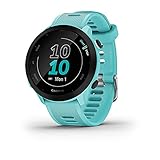
1. Garmin Forerunner 55, GPS Running Watch with Daily Suggested Workouts, Up to 2 Weeks of Battery Life, Aqua
Overview:
The Garmin Forerunner 55 is an entry-level GPS running watch targeting beginners and casual runners. It tracks core metrics like pace, distance, and heart rate via wrist-based monitoring (non-medical), supported by GPS. With a focus on simplicity, it offers essential training tools and impressive battery longevity.
What Makes It Stand Out:
Its standout feature is the adaptive daily suggested workouts, adjusting based on recovery and performance. The PacePro feature provides race-day GPS pacing guidance, while the 2-week smartwatch battery life (20 hours in GPS mode) eliminates frequent charging. Built-in profiles for diverse activities, from pool swim to HIIT, enhance versatility beyond running.
Value for Money:
Priced mid-range, it delivers exceptional value by including Garmin’s trusted ecosystem—reliable GPS, actionable insights like race predictions, and long battery life—without the premium cost of advanced models. It outperforms budget alternatives in accuracy and software depth, justifying its cost for dedicated runners.
Strengths and Weaknesses:
Strengths: Intuitive interface, outstanding battery life, useful adaptive training tools, multi-sport support. Weaknesses: Basic monochrome display (non-AMOLED), limited recovery insights compared to higher-end Garmin models, no built-in flashlight or advanced navigation.
Bottom Line:
Ideal for runners seeking a no-fuss, reliable entry into GPS training with smart coaching. Its balance of battery life, adaptive features, and Garmin’s ecosystem makes it a top recommendation for beginners at its price point.
2. mibro GS Active2 Running GPS Smartwatch with 46mm AMOLED, Lightweight and 15-Day Battery, Supports Training Guidance and Dual-Band GNSS, 150+ Sport Modes (Dark Gray)

Overview:
The Mibro Active2 is a feature-packed, lightweight GPS smartwatch designed for runners prioritizing performance metrics and extended battery life. Its 46mm AMOLED display and featherlight 39g build cater to comfort during long sessions, while dual-band GNSS ensures precise tracking.
What Makes It Stand Out:
Professional running analytics shine here, with VO₂ Max trends, cadence/stride analysis, and Mibro Coach’s adaptive training plans (5K to half-marathon). The five-satellite dual-frequency positioning offers exceptional accuracy, and the 15-day battery (15 hours GPS) outperforms many competitors. The 150+ sport modes add broad versatility.
Value for Money:
Positioned below premium brands, it delivers high-end features like AMOLED, dual-band GNSS, and pro-level running metrics at a fraction of the cost. The inclusion of route navigation and robust battery life makes it a standout value for serious runners seeking affordability without sacrificing core functionality.
Strengths and Weaknesses:
Strengths: Ultra-lightweight, superb battery life, advanced running metrics, dual-band GNSS precision, extensive sport modes. Weaknesses: Brand reliability less proven than Garmin, limited third-party app integration, recovery insights not as refined.
Bottom Line:
An excellent budget-conscious choice for data-driven runners. Its professional-grade analytics, navigation, and endurance make it highly recommended for those wanting premium features without the premium price tag.
3. Garmin Forerunner 165, Running Smartwatch, Colorful AMOLED Display, Training Metrics and Recovery Insights, Black

Overview:
The Forerunner 165 elevates Garmin’s entry-tier with a vibrant AMOLED touchscreen and traditional buttons in a compact 43mm design. It merges essential running GPS tracking with enhanced health insights, targeting runners who want style and substance without complexity.
What Makes It Stand Out:
The brilliant AMOLED display significantly improves readability over the 55, while the morning report consolidates sleep, recovery, and training readiness at a glance. Personalized daily workouts adapt dynamically, and Garmin Coach provides race-specific plans. The 11-day battery life (19 hours GPS) remains impressive.
Value for Money:
Priced slightly above the Forerunner 55, the upgrade to AMOLED, richer recovery metrics, and more intuitive interface justifies the cost. It offers near-mid-tier features—like HRV status and detailed training adaptation—at an accessible price, outperforming similarly priced rivals in ecosystem cohesion.
Strengths and Weaknesses:
Strengths: Gorgeous AMOLED screen, comprehensive morning recovery report, adaptive Garmin Coach plans, lightweight comfort. Weaknesses: Battery life slightly less than Forerunner 55 in GPS mode, no music storage, limited to 25+ activity profiles (fewer than competitors).
Bottom Line:
Perfect for runners desiring a modern, user-friendly interface with Garmin’s trusted analytics. The AMOLED display and holistic recovery insights make it a compelling upgrade from the 55 and a top pick for style-conscious athletes.
4. afoloery GPS Running Watch and Outdoor Smartwatch, AMOLED Display, Built-in LED Flashlight,Multisport GPS Smartwatch,5ATM Waterproof,Fitness Tracker up to 15 Days of Battery

Overview:
The afoloery smartwatch targets outdoor enthusiasts with a rugged, feature-dense design. It combines dual-satellite GPS (GPS + BeiDou), an LED flashlight, and 5ATM waterproofing with health tracking, positioning itself as an all-in-one adventure companion.
What Makes It Stand Out:
Unique features include the built-in LED flashlight—rare in running watches—and a compass/altimeter for trail navigation. The 100+ sport modes, 24/7 health monitoring (blood oxygen, HRV), and smart connectivity (Bluetooth calls, camera control) exceed typical running watch capabilities. The 15-day battery supports intense outdoor use.
Value for Money:
At a competitive price, it offers exceptional versatility. The flashlight, advanced outdoor sensors, and broad health suite provide unmatched utility for hikers and multi-sport athletes, rivaling pricier Garmin models in specific outdoor features while undercutting them significantly.
Strengths and Weaknesses:
Strengths: LED flashlight, dual-satellite GPS, 5ATM waterproofing, extensive health metrics, strong battery life. Weaknesses: GPS accuracy may lag behind Garmin, build quality (zinc alloy) less premium, recovery insights less actionable.
Bottom Line:
Highly recommended for hikers, trail runners, and outdoor adventurers needing ruggedness and unique tools like a flashlight. Its breadth of features at an affordable price fills a niche the Garmins often overlook.
5. EZON GPS Running Watch with Distance Pace Alarm and Calorie Counter and Stopwatch for Men T031B01 Black

Overview:
The EZON T031B01 is a no-frills, budget GPS watch focused on core running metrics. It emphasizes precise distance/pace tracking and basic fitness logging, targeting beginners or those seeking a straightforward, affordable training tool without smart features.
What Makes It Stand Out:
Its cold/hot GPS start efficiency (1-minute cold start) ensures reliable tracking initiation, while the dedicated stopwatch with 50-lap memory caters to interval training. Personalized profile calibration (height/weight/age) enhances calorie and pace accuracy—uncommon at this price point.
Value for Money:
As the most affordable option, it excels for runners needing only essentials: accurate GPS, pace/distance alarms, and workout history (10 sessions). It lacks AMOLED or advanced metrics but delivers reliable core functionality where others charge significantly more for minimal extras.
Strengths and Weaknesses:
Strengths: Excellent GPS responsiveness, precise stopwatch/lap tracking, personalized fitness calibration, ultra-budget price. Weaknesses: No smart features (notifications, apps), limited data storage (10 workouts), basic monochrome display, no recovery insights.
Bottom Line:
Ideal for casual runners or students prioritizing fundamental GPS accuracy and stopwatch functions over smart features. Its rock-bottom price and reliable core tracking make it a sensible entry point into GPS running.
6. Garmin Forerunner® 255, GPS Running Smartwatch, Advanced Insights, Long-Lasting Battery, Slate Gray

Overview: The Garmin Forerunner 255 is a premium GPS running smartwatch targeting serious runners seeking advanced metrics and exceptional battery life. It delivers comprehensive health and performance tracking in a sleek, lightweight design available in two sizes.
What Makes It Stand Out: Its standout features include up to 30 hours of GPS battery life (surpassing many competitors), an always-on sunlight-readable display, and insightful daily morning reports combining sleep, HRV status, and personalized workout suggestions. Adaptive training plans adjust based on recovery, while race predictions use course and weather data.
Value for Money: Positioned at a higher price point, it justifies cost through robust build quality, Garmin’s trusted ecosystem, and professional-grade analytics. While pricier than entry-level options, its longevity and depth offer better long-term value than cheaper alternatives lacking advanced recovery insights.
Strengths and Weaknesses: Strengths: Outstanding battery life; intuitive adaptive training; detailed health/morning reports; durable, comfortable design. Weaknesses: Higher cost; AMOLED display reserved for the 265 model; some health metrics are estimates, not medical-grade.
Bottom Line: Ideal for dedicated runners prioritizing recovery data and extended GPS sessions; a worthwhile investment despite the premium price, offering tools to optimize training effectively.
7. EZON GPS Running Watch with Distance Pace Alarm and Calorie Counter and Stopwatch for Men (Blue)

Overview: The EZON GPS Running Watch is a budget-friendly, no-frills device focused on core running metrics for casual athletes. It emphasizes simplicity with essential GPS tracking and basic fitness data, avoiding smartwatch complexities.
What Makes It Stand Out: Its key differentiators are ultra-fast GPS reconnection (hot start), automatic time sync via GPS, and a straightforward one-tap exercise data review. The 50-lap memory and 100-hour stopwatch cater specifically to interval training without app dependency.
Value for Money: Exceptional affordability makes it accessible for beginners or those needing only fundamental tracking. It undercuts Garmin models significantly but sacrifices advanced insights, recovery metrics, and long-term ecosystem integration.
Strengths and Weaknesses: Strengths: Very low cost; reliable basic GPS tracking; easy data access; long stopwatch duration; personalized profile for calorie accuracy. Weaknesses: No smart features; monochrome display; limited data history (10 workouts); lacks recovery/sleep tracking; build quality less refined.
Bottom Line: A solid entry-level choice for runners seeking essential GPS metrics without frills; recommended only for budget-conscious users prioritizing simplicity over advanced analytics.
8. Garmin Forerunner 55, GPS Running Watch with Daily Suggested Workouts, Up to 2 weeks of Battery Life, Black (Renewed)
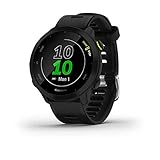
Overview: This renewed Garmin Forerunner 55 offers a cost-effective entry into Garmin’s running ecosystem, delivering reliable GPS tracking and foundational training tools in a streamlined package. It’s ideal for beginners seeking value without compromising core functionality.
What Makes It Stand Out: The PacePro feature provides strategic race-day guidance, while daily suggested workouts adapt based on performance. Its standout value is the 2-week smartwatch battery life and broad activity profiles (including Pilates/HIIT), uncommon in this price bracket.
Value for Money: Purchasing renewed slashes the cost significantly versus new, making Garmin’s trusted metrics accessible. It outperforms cheaper alternatives with accurate wrist-based HR and Garmin’s training algorithms, though it lacks advanced recovery insights of pricier models.
Strengths and Weaknesses: Strengths: Excellent battery life; intuitive for beginners; PacePro strategy; versatile activity modes; renewed option offers savings. Weaknesses: No music storage; basic display; limited recovery data; 20-hour GPS mode lags behind higher-end Forerunners.
Bottom Line: The best renewed option for new runners wanting Garmin reliability at a discount; skip if you need advanced recovery metrics, but highly recommended for foundational training.
9. Garmin Forerunner 265 Running Smartwatch, Colorful AMOLED Display, Training Metrics and Recovery Insights, Black and Powder Gray

Overview: The Forerunner 265 elevates Garmin’s running lineup with a vibrant AMOLED touchscreen and refined recovery analytics, targeting runners who value visual clarity and data depth in a modern, lightweight package.
What Makes It Stand Out: Its brilliant AMOLED display (a first in this series) ensures exceptional readability, while the training readiness score synthesizes sleep, HRV, and load for precise workout planning. The dynamic race widget and 20-hour GPS battery balance performance with usability.
Value for Money: Priced above the 255/55, it justifies cost through the superior display and seamless touchscreen/buttons hybrid interface. It’s a worthwhile upgrade for those prioritizing screen quality and intuitive interaction, though battery life slightly trails the 255.
Strengths and Weaknesses: Strengths: Gorgeous AMOLED screen; responsive hybrid controls; comprehensive training readiness; adaptive daily workouts; slim, comfortable design. Weaknesses: Shorter GPS battery (20h vs 255’s 30h); no music storage; premium price; metrics remain estimates.
Bottom Line: The top choice for runners wanting Garmin’s best display and intuitive interface; recommended over the 255 if screen quality is paramount, despite marginally reduced GPS endurance.
10. Garmin Forerunner 55 GPS Running Smartwatch, Black

Overview: This standard Forerunner 55 model provides Garmin’s core running functionality in a reliable, entry-level package. It mirrors the renewed version’s features but is sold new, targeting users preferring factory-fresh devices over refurbished options.
What Makes It Stand Out: Identical to the renewed variant, it excels with PacePro race guidance, adaptive daily workouts, and exceptional 2-week smartwatch battery life. Its simplicity and broad activity support (including breathwork and HIIT) make it versatile for novice runners.
Value for Money: As a new unit, it costs more than the renewed option but avoids potential refurbishment concerns. It outvalues basic competitors with accurate GPS/HR tracking, though it lacks advanced recovery tools found in higher-tier Forerunners.
Strengths and Weaknesses: Strengths: Trusted new-unit reliability; user-friendly interface; strong battery life; PacePro feature; diverse activity profiles. Weaknesses: No AMOLED display; limited recovery insights; 20-hour GPS mode; no music storage; basic metrics only.
Bottom Line: A dependable new-device alternative to the renewed 55; best for first-time Garmin buyers wanting essential features without refurbished risks, but skip if you need deep recovery analytics.
Understanding Why GPS Matters for Beginners
The Core Value of Accurate Distance Tracking
For new runners, knowing exactly how far you’ve gone is crucial for building confidence and following beginner training plans. Pacing yourself correctly over measured distances prevents burnout and injury. GPS technology eliminates the guesswork of estimating laps around a park or blocks in your neighborhood, providing reliable feedback on your actual progress. This accuracy is foundational for setting realistic goals and celebrating genuine achievements, whether it’s your first kilometer without stopping or consistently hitting your planned route length.
Moving Beyond Basic Step Counting
While fitness trackers offer general activity data, dedicated GPS running watches provide sport-specific metrics essential for running development. They capture nuanced details like cadence (steps per minute), which helps improve running form and efficiency, and ground contact time, offering insights into your stride. This targeted data, presented in a running context, is far more valuable for a beginner looking to build proper technique and endurance than generic step counts alone.
Building Trust in Your Training Data
Consistent, reliable tracking fosters trust in your device and, more importantly, in your own progress. When you know the distance and pace readings are accurate session after session, you can make informed decisions about when to push a little harder or when to take an extra recovery day. This reliability reduces frustration and prevents the discouragement that comes from inconsistent or confusing data, keeping you focused on the act of running itself.
Essential Features to Prioritize as a New Runner
Simplicity in Interface and Operation
The most critical feature for a beginner is an intuitive interface. Look for a watch with clear, easy-to-navigate menus, large readable displays (especially in varying light), and straightforward start/stop functions. Complicated settings or buried features lead to frustration and disuse. A device that gets out of your way allows you to focus entirely on your run, not on wrestling with technology. Consider whether a touchscreen, physical buttons, or a combination suits your preference for ease of use while sweaty or wearing gloves.
Battery Life That Matches Your Routine
As a new runner building endurance, your sessions might be short initially (20-30 minutes), but battery anxiety is real. Prioritize a watch that comfortably lasts through your longest planned run plus several days of general wear and sleep tracking if desired. Don’t assume longer battery life is always better; a watch needing frequent charging might become a chore. Aim for a balance that fits your weekly running schedule without demanding constant recharging – reliability trumps marathon battery specs for most beginners.
Clear, Actionable Pace and Distance Feedback
Real-time pace and distance information, displayed prominently and simply during your run, is non-negotiable. You need to see this data at a glance without stopping to scroll. Consider how the watch presents this: large numbers, color changes for target pace zones, or audible alerts. The goal is instant comprehension so you can adjust your effort on the fly without breaking stride or concentration, helping you learn to feel your pace naturally over time.
Navigating Display and Usability Factors
Optimal Screen Visibility in All Conditions
Your watch face must be legible in bright sunlight, under tree cover, and during early morning or evening runs. High screen brightness, good contrast (like always-on displays or transflective screens), and adequate size are vital. Don’t judge solely in a well-lit store; imagine squinting at it mid-run on a sunny path. A display that’s hard to read defeats the purpose of having real-time data, leading to missed feedback and potential safety issues if you’re constantly stopping.
Physical Buttons vs. Touchscreen Reliability
While touchscreens are modern, they can be frustrating when your fingers are sweaty, cold, or you’re wearing gloves. Many runners, especially beginners building consistency in various weather, prefer the certainty of physical buttons for starting/stopping a run or pausing. Consider the environment you’ll primarily run in – if rain, sweat, or cold are factors, dedicated buttons often provide more reliable control mid-stride than a finicky touchscreen.
Comfort for All-Day Wear
Since you’ll likely wear the watch beyond just runs for sleep tracking and general activity, comfort is key for consistent use. Pay attention to the watch size and weight – a bulky device can feel cumbersome during daily activities. Look for lightweight designs with comfortable, breathable straps (silicone is often a good starter choice). If the watch irritates your wrist during non-running hours, you’re less likely to wear it consistently, losing valuable recovery and activity insights.
Battery, Sensors, and Connectivity Considerations
Realistic GPS Battery Expectations
Manufacturer battery claims often assume ideal conditions. For GPS running, actual battery life varies significantly based on signal strength (urban canyons vs. open trails), use of additional sensors (like music storage), and screen brightness. Research real-world user experiences for GPS mode specifically. As a beginner logging shorter runs, prioritize a watch that reliably lasts your session plus margin, rather than chasing extreme multi-day GPS claims you won’t utilize.
The Role of Optical Heart Rate Monitors
While convenient, wrist-based optical heart rate (HR) monitors on watches can have accuracy fluctuations, especially during variable-pace running common for beginners. Understand that it’s a useful trend indicator (seeing if your HR is generally rising or falling) rather than a medical-grade tool. If precise HR is critical for your training (e.g., following specific heart rate zones strictly), consider pairing the watch with a comfortable chest strap sensor for more reliable data during runs.
Seamless Smartphone Integration is Key
Effortless syncing to your phone app is essential for reviewing your runs and seeing your progress over time. Ensure the companion app is user-friendly, provides clear visualizations of your data (distance, pace, route map), and syncs reliably without constant manual intervention. A frustrating sync process is a major reason beginners abandon using their watch data altogether. Check app store reviews specifically mentioning sync reliability.
Long-Term Value and Growth Potential
Future-Proofing Without Overpaying
While you don’t need pro-level features now, consider if the watch has room to grow with you. Does it offer basic guided workouts or training plans suitable for progressing beyond the absolute beginner stage? Does it track other activities you might explore (like walking, cycling, or gym sessions)? Avoid devices so basic they become obsolete as your fitness improves, but equally, resist paying for advanced metrics (like advanced running dynamics or detailed race predictors) you won’t comprehend or use for months or years.
Durability for Everyday Adventures
Beginner runs happen in all weather – rain, shine, and everything in between. Ensure the watch has solid water resistance (at least 5 ATM) to handle sweat and unexpected showers. Robust construction to withstand bumps against trail roots or park benches is also important. You need a reliable tool that survives the realities of starting a running habit, not a fragile device requiring constant coddling.
Software Updates and Ecosystem Support
A manufacturer that provides regular software updates can add valuable features, improve accuracy, or enhance the companion app long after your purchase. Research the brand’s track record for supporting devices with updates for several years. Being part of a larger, well-supported ecosystem (if you have other compatible devices) can also streamline your experience, though this is less critical for a pure beginner than core reliability.
Balancing Initial Cost with Longevity
The cheapest option isn’t always the best value if it breaks quickly, lacks essential features, or becomes unusable due to poor software support. Conversely, the most expensive model is overkill. Focus on finding a well-built watch from a reputable brand within a mid-range price bracket that hits all your core beginner needs and offers reasonable durability. View it as an investment in your health that should last multiple years of consistent use.
Frequently Asked Questions
How accurate is GPS on beginner-friendly running watches?
Most modern GPS watches are quite accurate for distance and route tracking in open areas with good satellite reception. Accuracy can dip slightly in dense urban environments with tall buildings or deep tree cover, but for typical park or neighborhood runs, the variance is usually minimal (within a few percent) and perfectly sufficient for tracking progress and following training plans as a beginner. Don’t obsess over tiny discrepancies.
Is a heart rate monitor essential for a new runner?
Not strictly essential, but highly beneficial. It helps you understand your effort level, ensuring you’re running at a truly conversational “easy” pace for recovery runs and not accidentally going too hard. Wrist-based HR is generally good enough for trend monitoring as a beginner. Focus on how your HR feels relative to your effort rather than absolute numbers.
Can I get by with just my smartphone for GPS tracking?
Yes, many running apps use your phone’s GPS effectively. However, a dedicated watch offers significant advantages: longer battery life for longer runs, no need to carry your phone (more comfortable), easier real-time pace/distance glances, better durability, and often more accurate stride-based metrics when GPS signal is momentarily lost. It also encourages leaving your phone behind for a more focused run.
How important is music storage on the watch?
This depends entirely on your preference. If you rely on music/podcasts and dislike carrying your phone, onboard music storage (paired with Bluetooth headphones) is a great feature. However, it adds cost and slightly reduces battery life. For many beginners, especially those doing shorter runs, carrying a small armband phone or using a phone holder is perfectly acceptable initially.
What water resistance rating do I really need?
Look for a minimum of 5 ATM (50 meters) water resistance. This protects against sweat, rain, and accidental splashes. It generally means you can wear it while swimming, but always check the specific manufacturer’s guidelines. For running exclusively, 5 ATM is ample; higher ratings (like 10 ATM) are overkill unless you plan serious open water swimming.
Will a running watch help me avoid injuries?
Not directly, but it provides valuable data to help prevent injuries. Tracking your weekly mileage progression helps avoid the #1 cause of running injuries: increasing distance or intensity too quickly. Monitoring resting heart rate trends (via sleep tracking) can also indicate potential overtraining or illness before it becomes serious. It’s a tool for informed decision-making.
How do I know if the watch size is right for my wrist?
Try it on if possible! Wrist size varies. A watch that looks small in photos might be bulky on a smaller wrist. Check the case diameter (usually 40-47mm for adults). Prioritize comfort for all-day wear; if it feels heavy or obstructive during normal activities, it will likely bother you while running too. Many brands offer different case sizes.
Are subscription fees common for running watch apps?
Most core features (basic run tracking, route mapping, simple stats) are included with the watch purchase at no extra cost. Some brands offer optional premium subscription tiers for advanced analytics, personalized training plans, or detailed coaching. As a beginner, you can absolutely get full value from the free tier for a long time. Don’t feel pressured to subscribe immediately.
How crucial is having multiple satellite systems (GPS, GLONASS, Galileo)?
For most beginner runners in typical environments (parks, neighborhoods, trails), standard GPS is perfectly adequate. Multiple satellite systems (like GPS + GLONASS) can improve signal acquisition speed and accuracy in challenging areas like dense cities or deep forests, but the real-world difference for standard training is often minor. It’s a nice-to-have, not a critical beginner requirement.
What’s the single most important feature I shouldn’t skip?
Reliable, easy-to-read real-time pace and distance display during your run. This foundational feedback is essential for learning to pace yourself appropriately, following beginner training plans accurately, and building confidence in your progress. Without clear, instant access to this data, the core value of the GPS watch for a new runner is significantly diminished. Prioritize this above fancy extras.
See Also
- Top 10 Best GPS Running Watches for Long-Distance Runners in 2026
- 10 Expert-Recommended GPS Running Watches for Ultramarathons in 2026
- Stop GPS Drift with the 10 Best Outdoor Running Watches This Year
- Best GPS Running Watches for Beginners: 10 Expert Picks for 2026
- How to Solve Poor GPS Signal Issues with the 10 Best Running Watches in 2026