Table of Contents
Hybrid smartwatches are no longer a niche curiosity – they’ve evolved into a sophisticated solution for men who crave the timeless elegance of a traditional timepiece without sacrificing essential tech conveniences. In 2026, the market has matured significantly, offering devices that seamlessly blend mechanical aesthetics with intelligent functionality, specifically tailored to the modern man’s lifestyle. Forget clunky digital displays or the constant drain of a full smartwatch; today’s hybrids provide subtle notifications, robust health tracking, and impressive battery life measured in weeks, not hours, all wrapped in a design that transitions effortlessly from the boardroom to the weekend trail. They represent the perfect middle ground for professionals, fitness enthusiasts, and style-conscious individuals who value discretion and longevity in their wearable tech.
The relentless buzz of smartphone notifications can be overwhelming, yet completely disconnecting often feels impossible. Hybrid smartwatches answer this dilemma by delivering only the information that truly matters, presented through intuitive analog pointers or discreet dot-matrix displays. This evolution is particularly resonant for men seeking a more intentional relationship with technology – one that enhances rather than dominates daily life. As we navigate 2026, understanding the nuanced features and considerations specific to these devices is crucial for making an informed choice that aligns with personal style, functional needs, and long-term value, moving far beyond the outdated notion of hybrids as mere step counters with watch faces.
Top 10 Hybrid Smartwatches for Men
Detailed Product Reviews
1. Garmin vívomove Trend, Stylish Hybrid Smartwatch, Long-Lasting Battery Life, Dynamic Watch Hands and Touchscreen Display, Black

Overview:
The Garmin vívomove Trend blends timeless analog aesthetics with essential smart features, targeting style-conscious users seeking discreet connectivity without daily charging hassles. Its stainless steel bezel and hybrid display bridge traditional watch appeal with modern health tracking.
What Makes It Stand Out:
Unique dynamic watch hands retract to reveal a full touchscreen for notifications and metrics, offering seamless transitions between analog elegance and digital utility. The 5-day battery life (plus 1-day watch-only mode) and comprehensive health suite—including Body Battery energy monitoring, stress tracking, and women’s health features—deliver exceptional functionality without compromising sophistication.
Value for Money:
Priced competitively against premium hybrids, it justifies cost through Garmin’s trusted accuracy, durable build, and omission of subscription fees. While cheaper alternatives lack its refined design and battery longevity, it undercuts full smartwatches by focusing on core essentials rather than app ecosystems.
Strengths and Weaknesses:
Strengths: Elegant stainless steel build; exceptional 5+ day battery; intuitive touchscreen-under-hands; robust health/fitness tracking; subtle smart notifications.
Weaknesses: No onboard GPS (requires phone); Pulse Ox unavailable in some regions; limited third-party app integration; analog-only mode lacks smart features.
Bottom Line:
Ideal for professionals prioritizing style and health insights without smartwatch fatigue, the vívomove Trend excels as a discreet, long-lasting hybrid—highly recommended for minimalist tech adopters.
2. Garmin Instinct Crossover, Rugged Hybrid Smartwatch, Analog Hands and Digital Display, Black

Overview:
The Garmin Instinct Crossover merges MIL-STD-810 ruggedness with hybrid smart functionality, designed for adventurers needing durability without sacrificing connectivity. Its dual-layered bezel and luminescent hands prioritize readability in extreme conditions.
What Makes It Stand Out:
RevoDrive technology ensures precise analog timekeeping during intense activities, while the high-resolution digital display delivers critical metrics at a glance. The 10 ATM water resistance and shock/thermal tolerance make it uniquely suited for diving, hiking, or industrial use, complemented by Garmin Pay for contactless payments.
Value for Money:
At its price point, it outperforms most rugged smartwatches in build quality and environmental resilience. Though pricier than basic fitness trackers, its military-grade durability and Garmin’s trusted ecosystem justify the investment for outdoor enthusiasts seeking reliability.
Strengths and Weaknesses:
Strengths: Exceptional MIL-STD-810 durability; 10 ATM waterproofing; RevoDrive accuracy; Garmin Pay support; long battery life in hybrid mode.
Weaknesses: Bulky for casual wear; limited smartwatch features (e.g., no voice replies); digital display less vibrant than full touchscreen rivals; no onboard music storage.
Bottom Line:
A top pick for adventurers needing bombproof construction and essential smart features, the Instinct Crossover is worth every penny for rugged reliability—essential for extreme-sport devotees.
3. DIVOAZBVO Smart Watches for Women Men, 120 Sports Modes Smartwatch with 1.83 inches HD Display, Heart Rate/Sleep Monitor, IP67 Waterproof, Bluetooth Call & Music Control for iPhone/Android (02Black)

Overview:
This budget-friendly DIVOAZBVO smartwatch targets casual users with a vibrant 1.83" HD display, Bluetooth calling, and 120 sport modes, emphasizing style versatility and basic health tracking for under $50.
What Makes It Stand Out:
The large, customizable IPS display and direct Bluetooth calling (with mic/speaker) are rare at this price. IP67 waterproofing and 5-7 day battery life support active lifestyles, while extensive watch faces cater to fashion-focused users—though health metrics lack clinical validation.
Value for Money:
Outstanding for entry-level buyers, it packs features (music control, social notifications) typically found in $80+ models. However, accuracy in health tracking lags behind premium brands, making it best for trend-spotting rather than medical insights.
Strengths and Weaknesses:
Strengths: Large HD screen; Bluetooth calling capability; 120 sport modes; 5-7 day battery; affordable price.
Weaknesses: IP67 limits swimming use; step counting only starts after 20 steps; inconsistent health data; plasticky build; notifications lack reply options.
Bottom Line:
A capable starter watch for style and convenience on a budget, but avoid for serious fitness tracking—opt for this if you prioritize aesthetics and basic connectivity over precision.
4. DREMAC Smart Watches for Men Luxury for Android iPhone,Fitness Watch with Heart Rate/SpO2/Sleep Monitor,Smartwatch Amoled Display 100+ Sport Modes,IP68 Waterproof,Silver Blue, 40mm

Overview:
DREMAC’s luxury hybrid targets professionals with dual straps (stainless steel/silicone), an AMOLED display, and IP68 waterproofing, promising business-to-gym versatility through extensive sport modes and health monitoring.
What Makes It Stand Out:
The 1.43" AMOLED screen with 1000-nit brightness and “always-on” display elevates readability, while interchangeable straps adapt to formal or athletic settings. Built-in mic/speaker enables Bluetooth calls—a rarity in this segment—and the claimed 50-day standby battery suggests impressive efficiency.
Value for Money:
Competitively priced against mid-tier smartwatches, it offers strong value with AMOLED clarity and dual-straps. However, questionable specs (e.g., “800mAh” battery likely misstated) and unverified SpO2 accuracy hint at feature inflation versus proven brands like Garmin.
Strengths and Weaknesses:
Strengths: Premium dual-strap design; vibrant AMOLED display; Bluetooth calling; IP68 swimming compatibility; 100+ sport modes.
Weaknesses: Battery claims exaggerated (real-world ~7-10 days); no GPS; SpO2 reliability unproven; messages can’t be replied to; plastic case undermines “luxury” claim.
Bottom Line:
A stylish, functional choice for casual fitness tracking and calls, but skepticism around specs warrants caution—best for users prioritizing aesthetics over clinical-grade data.
5. Garmin vivomove Sport, Hybrid Smartwatch, Health and Wellness Features, Touchscreen, Black

Overview:
The Garmin vivomove Sport refines the hybrid concept with a 40mm analog face, touchscreen functionality, and robust wellness tracking, catering to users wanting understated tech for daily health insights without smartphone dependency.
What Makes It Stand Out:
Its seamless analog-digital transition (hands move to reveal notifications) and 5-day battery life outperform full smartwatches. Advanced metrics like Body Battery, stress tracking, and women’s health monitoring leverage Garmin’s expertise, while phone GPS pairing enables accurate run tracking.
Value for Money:
Slightly more affordable than the vívomove Trend, it delivers identical core health features and battery life, making it Garmin’s best-value hybrid. It surpasses budget smartwatches in data reliability but lacks their flashy displays and calling features.
Strengths and Weaknesses:
Strengths: Elegant, discreet design; 5-day battery; accurate health metrics; intuitive touchscreen-under-hands; stress/sleep insights.
Weaknesses: No onboard GPS; limited smart replies; basic activity profiles; Pulse Ox accuracy varies; fewer third-party integrations.
Bottom Line:
A superb hybrid for health-focused users seeking longevity and subtlety, the vivomove Sport is a refined, no-nonsense choice—highly recommended for wellness enthusiasts avoiding smartwatch distractions.
6. WITHINGS ScanWatch 2 - Hybrid Smart Watch, Heart Rate Monitoring, Fitness Tracker, Cycle Tracker, Sleep Monitoring, GPS Tracker, 30-Day Battery Life, Android & Apple Compatible, HSA/FSA
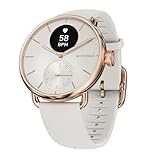
Overview: The Withings ScanWatch 2 is a premium hybrid smartwatch blending classic analog aesthetics with advanced health monitoring. It features stainless steel construction, sapphire glass, and a discreet digital display beneath traditional watch hands, targeting users seeking medical-grade insights without sacrificing style.
What Makes It Stand Out: Its standout feature is the 35-day battery life, dwarfing most full smartwatches. Medical-grade ECG for AFib detection, continuous heart rate monitoring, comprehensive sleep staging (including breathing disturbances), and FDA-cleared health metrics via the Withings HealthSense OS set it apart. HSA/FSA eligibility adds practical value.
Value for Money: Priced competitively against premium hybrids, it justifies cost through longevity (battery and build) and clinically validated health tools. While pricier than basic fitness trackers, the medical insights and 30+ day battery offer superior long-term value versus weekly-charged alternatives like Apple Watch.
Strengths and Weaknesses: Strengths: Exceptional battery life; durable, elegant design; FDA-cleared ECG/AFib detection; detailed sleep/respiratory tracking; HSA/FSA eligible. Weaknesses: Limited smart notifications; no onboard GPS (relies on phone); higher price than entry hybrids; minimal third-party app integration.
Bottom Line: Ideal for health-conscious users prioritizing medical-grade metrics, battery endurance, and timeless design over smart features. A top-tier hybrid for serious wellness tracking without daily charging hassles. Highly recommended for long-term health monitoring.
7. WITHINGS Scanwatch Nova - Heart Health Hybrid Smart Watch for Men & Women - SPO2, Temperature Monitoring, Sleep, Respiratory Health, Cycle Monitoring, 30-day Battery Life, Apple iOS/Android

Overview: The ScanWatch Nova refines Withings’ hybrid formula with enhanced health sensors, focusing on proactive heart and respiratory health. It retains the classic analog look with a digital display, targeting users seeking deeper physiological insights in a discreet, long-lasting package.
What Makes It Stand Out: Nova introduces 24/7 temperature tracking via TempTech24/7 for illness detection and workout optimization, alongside advanced SpO2 monitoring for respiratory health. Combined with continuous ECG, sleep apnea detection, and 30-day battery life, it offers unparalleled holistic health coverage in a hybrid form.
Value for Money: Positioned at a premium, its value lies in unique temperature monitoring and comprehensive respiratory/sleep analytics. While costly, the inclusion of medical-grade features (ECG, SpO2 trends) and HSA/FSA eligibility justifies the price for users investing in preventative health, outperforming cheaper hybrids lacking clinical validation.
Strengths and Weaknesses: Strengths: Revolutionary 24/7 body temp tracking; detailed SpO2/respiratory insights; FDA-cleared ECG; 30-day battery; elegant design; robust sleep analysis. Weaknesses: Very high price point; no GPS; limited smart features; temperature data requires careful interpretation; no touchscreen.
Bottom Line: A niche powerhouse for health-focused users needing temperature trends and respiratory monitoring. Best suited for those prioritizing medical insights over smart capabilities. Recommended for proactive health management despite the steep cost.
8. Garmin vívomove Trend, Stylish Hybrid Smartwatch, Long-Lasting Battery Life, Dynamic Watch Hands and Touchscreen Display, Mist Gray

Overview: The vívomove Trend merges fashion-forward hybrid design with practical smart features. It offers a 40mm stainless steel case, analog hands, and a hidden touchscreen display, targeting style-conscious users wanting basic connectivity and health tracking without a bulky smartwatch.
What Makes It Stand Out: Its dynamic display—revealing notifications and metrics only when lifted—is uniquely discreet. Garmin’s robust health suite (Body Battery, stress tracking, women’s health) and 5-day battery (with extra day in watch mode) differentiate it from simpler hybrids, while maintaining a slim, elegant profile.
Value for Money: Priced mid-range, it delivers excellent value for users seeking subtle tech integration. The blend of style, reliable health metrics (like Pulse Ox where available), and longer battery than full smartwatches makes it cost-effective versus premium alternatives like Apple Watch, though lacking advanced medical features.
Strengths and Weaknesses: Strengths: Sleek, versatile design; intuitive smart lift display; comprehensive Garmin health suite; solid 5-day battery; reliable notifications. Weaknesses: Shorter battery than Withings hybrids; Pulse Ox unavailable in all regions; no ECG/SpO2 trends; basic activity auto-recognition; limited third-party apps.
Bottom Line: A stylish, user-friendly hybrid ideal for casual fitness tracking and discreet notifications. Best for users valuing aesthetics and essential health metrics over medical-grade diagnostics. Great value for everyday wear.
9. Garmin Instinct Crossover Solar, Rugged Hybrid Smartwatch with Solar Charging Capabilities, Analog Hands and Digital Display, Graphite

Overview: The Instinct Crossover Solar merges Garmin’s rugged outdoors heritage with hybrid functionality, featuring solar charging, analog hands, and a digital display. It’s built for adventurers needing durability, extended battery, and essential smart features without compromising on toughness.
What Makes It Stand Out: Solar charging extends battery life to 70 days (unlimited in saver mode), while ABC sensors (altimeter, barometer, compass), 100m waterproofing, and connected GPS cater to outdoor enthusiasts. The high-visibility display and contactless payments add practical utility in a rugged-yet-sleek package.
Value for Money: Priced for the adventure market, it excels in longevity and durability. Solar charging and military-grade toughness justify the cost for frequent travelers or outdoor users, outperforming non-solar hybrids in endurance. Less focused on medical health than Withings, but superior for active lifestyles.
Strengths and Weaknesses: Strengths: Solar-powered extended battery; rugged, waterproof build; ABC sensors & GPS; bright display; contactless payments; strong activity tracking. Weaknesses: Bulky design less suited for formal wear; health metrics less detailed than medical hybrids; no ECG/SpO2; limited smart features.
Bottom Line: The ultimate hybrid for outdoor adventurers prioritizing battery life, durability, and GPS. Not ideal for medical tracking, but highly recommended for hikers, cyclists, and travelers needing reliable, long-lasting performance.
10. Withings ScanWatch Light - Hybrid Smartwatch, 24/7 Heart Monitoring, Activity Tracking, Cycle Tracking, Sleep Monitoring, Connected GPS, 30-Day Battery Life, Android & Apple Compatible, HSA/FSA

Overview: The ScanWatch Light is Withings’ streamlined hybrid, delivering core health tracking in an accessible package. It retains the signature analog-digital design and 30-day battery but focuses on essential metrics, targeting budget-conscious users seeking reliable wellness insights without premium extras.
What Makes It Stand Out: Its key differentiator is HSA/FSA eligibility, making it a tax-advantaged health investment. It offers continuous heart rate monitoring, basic sleep tracking, cycle logging, and connected GPS—prioritizing proven, user-friendly health features over advanced diagnostics like ECG, appealing to entry-level health trackers.
Value for Money: Positioned as the most affordable Withings hybrid, it offers exceptional value. For significantly less than the ScanWatch 2/Nova, it provides reliable 24/7 heart rate, sleep analysis, and HSA savings, outperforming cheaper fitness bands with its elegant design and seamless app integration. Ideal for first-time hybrid buyers.
Strengths and Weaknesses: Strengths: HSA/FSA eligible; 30-day battery; clean, classic design; accurate basic health/sleep tracking; strong app ecosystem. Weaknesses: Lacks ECG/SpO2/temperature monitoring; fewer health insights than premium models; minimal smart features; no medical certifications.
Bottom Line: A cost-effective gateway to hybrid health tracking. Perfect for users wanting long battery life, essential metrics, and HSA savings without medical-grade features. Highly recommended for beginners or those prioritizing simplicity and affordability.
Understanding the Modern Hybrid Smartwatch Landscape
The term “hybrid smartwatch” has undergone a significant transformation. Today, it signifies a deliberate fusion of craftsmanship and intelligent technology, designed for those who appreciate fine watchmaking traditions but desire practical modern connectivity. Unlike their purely digital counterparts or traditional smartwatches, modern hybrids prioritize subtlety and extended operation, leveraging the familiar analog interface as the primary canvas for information delivery.
Defining the Hybrid Smartwatch Experience
A true hybrid smartwatch in 2026 combines a traditional analog watch face – complete with physical hour, minute, and often second hands – with embedded smart technology. This technology typically manifests through hidden sensors, subtle hand movements to indicate notifications or activity goals, and sometimes a small monochrome e-ink or dot-matrix display integrated into the watch face. The core philosophy is minimal disruption; information is conveyed through gentle vibrations and the movement of the hands, preserving the watch’s classic aesthetic.
Key Differences from Traditional Smartwatches
The most significant distinction lies in the operating system and power consumption. Hybrids generally lack full-color touchscreens, complex app ecosystems, and cellular connectivity found in traditional smartwatches. Instead, they utilize ultra-low-power Bluetooth LE for essential smartphone notifications (calls, texts, calendar) and rely on efficient sensors for health and activity tracking. This architectural choice is the secret behind their exceptional battery life, often lasting several weeks on a single charge, eliminating the nightly charging ritual demanded by most smartwatches.
The 2026 Evolution: Beyond Basic Step Counting
Gone are the days when hybrid watches offered only rudimentary step tracking. Current models incorporate advanced optical heart rate sensors capable of continuous monitoring, sophisticated sleep stage analysis, stress tracking via HRV (Heart Rate Variability), and even SpO2 (blood oxygen saturation) measurement. Navigation features like vibrating turn-by-turn directions and automatic activity detection (recording walks, runs, swims) are now standard, making them genuinely useful companions for an active lifestyle without the digital overload.
Essential Features to Prioritize in Your Selection
Choosing the right hybrid smartwatch requires focusing on features that align with your specific daily routines and priorities. It’s less about the sheer number of functions and more about how well the core capabilities integrate into your life seamlessly and unobtrusively.
Battery Life: The Defining Advantage
This remains the hybrid’s superpower. While specific durations vary, expect anywhere from 2 to 6 weeks on a single charge under typical usage. Consider your tolerance for charging frequency – if forgetting a charger on a weekend trip is common, lean towards models boasting 4+ weeks. Evaluate how battery life is impacted by features you plan to use heavily, like continuous heart rate monitoring or frequent GPS sync for activity mapping.
Activity and Health Tracking Capabilities
Scrutinize the depth of health metrics offered. Basic step counting is table stakes. Look for continuous heart rate monitoring accuracy (especially during exercise), detailed sleep analysis (light, deep, REM stages), stress tracking, and recovery metrics. Advanced models now include SpO2 monitoring for general wellness insights and sophisticated menstrual cycle tracking features, demonstrating a broader health ecosystem integration. Ensure the tracking aligns with your fitness goals, whether casual wellness or structured training.
Notification Management and Smart Features
The effectiveness of notifications is paramount. Assess how intuitively the watch conveys alerts – is it solely through vibration patterns, or does it utilize hand movement (e.g., the minute hand jumping to a specific position for different app types)? Consider the level of customization available on your smartphone companion app: can you silence social media but allow calls and messages? Essential smart features to verify include find-my-phone functionality, music control, and weather updates delivered via subtle hand movements or the secondary display.
Design and Craftsmanship Considerations
For many men, the watch is a significant accessory, often reflecting personal style and professional identity. Hybrid smartwatches must therefore excel not just functionally, but also aesthetically and in terms of build quality.
Case Materials and Durability
Materials range from lightweight, durable polymers and stainless steel to premium options like titanium or ceramic. Stainless steel offers a classic, robust feel suitable for most occasions. Titanium provides exceptional strength-to-weight ratio and hypoallergenic properties, ideal for active users or sensitive skin. Consider water resistance ratings carefully; 5 ATM (50 meters) is standard for swimming and showering, while 10 ATM offers greater peace of mind for water sports. Ensure the rating matches your intended activities.
Strap Options and Interchangeability
The strap significantly impacts the watch’s versatility. Most hybrids feature quick-release spring bars, allowing easy strap changes. Evaluate the ease of swapping straps and the availability of compatible options (leather, silicone, metal bracelets, nylon). A comfortable, durable silicone strap is essential for workouts, while a leather or metal option elevates the look for business or formal settings. Consider if the included strap aligns with your primary use case.
Display Clarity and Readability
Even with an analog face, the visibility of any secondary display (e.g., for date, battery, notifications) is crucial. Assess the legibility of this display in various lighting conditions – direct sunlight, dim rooms, nighttime. The quality of the main watch crystals (typically mineral glass or sapphire) also affects scratch resistance and overall clarity. A sapphire crystal, while more expensive, offers superior scratch resistance for long-term beauty.
Compatibility and Ecosystem Integration
Your hybrid smartwatch needs to work harmoniously with your existing technology ecosystem. Seamless integration is non-negotiable for a smooth user experience.
Smartphone OS Compatibility
This is the absolute first checkpoint. While most hybrids support both iOS and Android, feature parity isn’t always guaranteed. Carefully check the manufacturer’s specifications for your specific phone model and OS version. Some advanced health features or notification types might be limited on one platform versus the other. Don’t assume full functionality across all devices.
Companion App Quality and Functionality
The companion smartphone app is your control center. Spend time researching user reviews focused on the app experience. Is it intuitive, stable, and well-designed? Does it provide meaningful insights from your health data, or is it merely a data dump? Evaluate the depth of customization for watch faces (if applicable), notifications, activity goals, and health metric analysis. A poor app can significantly diminish the value of an otherwise excellent watch.
Data Synchronization and Third-Party Integration
Reliable and frequent data sync with your phone is essential for accurate tracking and timely notifications. Investigate how seamless this process is – does it happen constantly in the background, or require manual initiation? Equally important is integration with broader health platforms like Apple Health, Google Fit, or popular fitness apps (Strava, MyFitnessPal). This ensures your activity and health data flows into the ecosystem you already use for a holistic view of your wellness.
Long-Term Value and Practical Considerations
Investing in a hybrid smartwatch is a decision for the longer term. Considering these factors ensures your choice remains relevant and functional for years.
Software Updates and Future-Proofing
Unlike traditional watches, hybrids rely on firmware. Investigate the manufacturer’s track record for providing regular software updates. How long do they typically support a model with updates? Updates can introduce new features, improve battery life, enhance sensor accuracy, and patch security vulnerabilities. A commitment to long-term software support significantly extends the usable life of the device.
Repairability and Service Options
Consider the practicalities of ownership over time. Are replacement straps easily sourced? What is the warranty coverage? Crucially, investigate service options. Can the battery be replaced by a professional jeweler or watchmaker when its lifespan eventually diminishes (often 1-3 years for non-replaceable batteries), or does it require sending back to the manufacturer, potentially at significant cost? Understanding end-of-life serviceability is part of responsible tech ownership.
Price Point and Value Assessment
Hybrid smartwatches span a wide price range. Establish your budget but focus on value – what features are truly essential for you? A $300 model might offer everything you need, while a $600 model adds premium materials or slightly more advanced sensors you won’t utilize. Avoid paying for unnecessary bells and whistles. Consider the total cost of ownership, including potential future strap purchases or battery replacement costs.
Maximizing Your Hybrid Smartwatch Experience
Owning a hybrid smartwatch is only half the equation; optimizing its use ensures you get the maximum benefit from this unique technology.
Personalizing Notification Settings
Take the time to meticulously configure notifications within the companion app. The beauty of hybrids lies in reducing digital noise. Silence non-essential apps (social media, email newsletters) and allow only critical communications (calls, messages from key contacts, calendar alerts). Experiment with vibration patterns to distinguish between notification types without constantly checking the watch.
Leveraging Health Insights Proactively
Don’t just collect data – use it. Regularly review your sleep trends, resting heart rate changes, and activity consistency within the app. Look for patterns: does poor sleep correlate with higher stress scores the next day? How does your recovery time change with different workout intensities? Use these insights to make informed adjustments to your lifestyle, sleep hygiene, or training regimen for tangible improvements in well-being.
Maintaining Optimal Performance
Simple habits extend longevity. Keep the watch and charging contacts clean and dry. Avoid exposing it to extreme temperatures or strong magnetic fields for prolonged periods. Periodically update the firmware when available for performance and security improvements. If your model has a removable battery (less common), replace it proactively when capacity noticeably diminishes to maintain the long battery life advantage. Treat it with the care you would a quality timepiece.
Frequently Asked Questions
Frequently Asked Questions
Can hybrid smartwatches work without a smartphone?
While core timekeeping functions work independently, essential smart features like notifications, activity syncing, and GPS route mapping require Bluetooth connection to your paired smartphone. They are companions, not standalone communication devices.
Do hybrid smartwatches track sleep automatically?
Yes, most modern hybrids offer automatic sleep stage tracking (light, deep, REM) once configured in the companion app. They typically use movement and heart rate data to detect when you fall asleep and wake up, eliminating the need to manually start tracking.
How accurate are the health sensors compared to dedicated devices?
Optical heart rate sensors on hybrids are generally reliable for trends and everyday monitoring but may show slight variance during high-intensity interval training compared to chest straps. Sleep tracking accuracy is good for identifying patterns but shouldn’t replace medical sleep studies. They excel at providing accessible, longitudinal health insights.
Can I change the watch face on a hybrid smartwatch?
Unlike full smartwatches, you cannot digitally change the entire watch face design. However, many hybrids allow physical strap changes and sometimes offer different physical dial inserts or bezels for subtle aesthetic variations. The analog hands and core layout remain fixed.
Are hybrid smartwatches suitable for swimming?
Many models boast 5 ATM (50m) water resistance, making them suitable for swimming, showering, and snorkeling. Always verify the specific water resistance rating of the model and understand that water resistance diminishes over time; avoid pressing buttons underwater and rinse with fresh water after saltwater exposure.
How do I know when I have a notification?
Hybrids use subtle methods: specific vibration patterns (e.g., short buzz for texts, long buzz for calls) and/or movement of the watch hands (e.g., the minute hand jumping to a “notification zone” on the dial). The exact method varies by model and is customizable via the companion app.
Do I need to charge the watch every night?
No, this is a major advantage. Battery life typically ranges from 2 to 6 weeks depending on usage (e.g., continuous heart rate monitoring reduces it). You’ll charge significantly less often than a traditional smartwatch, often only needing a top-up once a month or less.
Can hybrid smartwatches make or receive calls?
Generally, no. They cannot function as standalone phones. They can vibrate and indicate an incoming call via hand movement or display, allowing you to see who is calling and choose to answer on your paired smartphone, but you cannot speak directly into the watch.
Are they compatible with all fitness apps?
Most hybrids integrate with major platforms like Apple Health (iOS) and Google Fit (Android). This allows your activity and health data to sync automatically to these hubs, which can then often share data with other popular fitness apps like Strava or MyFitnessPal, creating a connected ecosystem.
What happens when the battery eventually needs replacing?
For models with non-replaceable batteries (common), the battery typically lasts 1-3 years before capacity significantly degrades. Replacement usually requires sending the watch to the manufacturer or an authorized service center, as it involves opening the sealed case. Check the manufacturer’s service policy and estimated costs before purchasing.
See Also
- 10 Best Hybrid Smartwatches for Seniors Who Want Simplicity and Connectivity in 2026
- 10 Game-Changing Hybrid Smartwatches for Remote Workers in 2026
- How to Choose the 10 Best Hybrid Smartwatches for Urban Professionals in 2026
- We Tested 50 Hybrid Smartwatches - Here are the 10 Best for Daily Use
- We Tested 50 Hybrid Smartwatches - Here Are the 10 Best for Fitness Enthusiasts