Table of Contents
Hybrid smartwatches represent the perfect bridge for tech newcomers stepping into the wearable world. They offer the familiar, timeless appeal of an analog watch face – the satisfying sweep of hands you’ve known for years – while quietly delivering the practical smart features that simplify modern life. For beginners, this eliminates the intimidating learning curve of fully digital smartwatches with complex touchscreens and constant notifications, providing a gentle, stress-free introduction to connected tech. You get the best of both worlds: the elegance of traditional craftsmanship meets the convenience of modern connectivity, all without the fear of looking awkward while figuring out how to navigate menus during a meeting.
Imagine glancing at your wrist to see the time, just like always, but also noticing a subtle vibration alerting you to an important call without having to unlock a screen or worry about draining your battery by noon. Hybrid smartwatches excel at this subtle integration, focusing on essential notifications, fitness tracking, and battery longevity that often spans weeks, not just a day or two. This makes them exceptionally beginner-friendly; there’s no daily charging anxiety, no overwhelming flood of app choices, and the core functionality aligns perfectly with what most people actually need daily – staying connected to key alerts and understanding their basic activity levels. It’s tech that works for you, quietly and reliably, without demanding constant attention or technical expertise.
Top 10 Hybrid Smartwatches for Beginners
Detailed Product Reviews
1. WITHINGS ScanWatch 2 - Hybrid Smart Watch, Heart Rate Monitoring, Fitness Tracker, Cycle Tracker, Sleep Monitoring, GPS Tracker, 30-Day Battery Life, Android & Apple Compatible, HSA/FSA
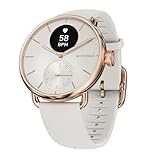
Overview: The Withings ScanWatch 2 is a premium hybrid smartwatch blending classic analog aesthetics with advanced health monitoring. It targets health-conscious users seeking medical-grade insights without sacrificing timeless design, featuring a stainless steel case, sapphire glass, and compatibility with both Android and iOS ecosystems.
What Makes It Stand Out: Its standout features include 35-day battery life—exceptional for health tracking—and medical-grade ECG for AFib detection via the Withings app. HealthSense OS enables on-device machine learning for precise metrics like continuous heart rate, sleep staging, and VO₂ max. The 1-month Withings+ trial adds personalized recovery insights, while HSA/FSA eligibility broadens accessibility.
Value for Money: Priced competitively against pure smartwatches, it justifies cost through longevity (35-day battery reduces charging hassle) and clinically relevant health tools. While lacking a color touchscreen, the focus on actionable health data over apps offers superior value for users prioritizing wellness over notifications.
Strengths and Weaknesses: Strengths: Unmatched battery life; medical-grade ECG/AFib detection; durable sapphire/stainless build; comprehensive sleep/workout analytics. Weaknesses: No onboard GPS (relies on phone); limited smart features compared to full smartwatches; app subscription needed for advanced insights after trial.
Bottom Line: An exceptional choice for health-focused users seeking reliable, long-term tracking with medical credibility. Its blend of elegance, battery endurance, and clinically backed features makes it worth the investment over flashier alternatives.
2. WITHINGS Scanwatch Nova - Heart Health Hybrid Smart Watch for Men & Women - SPO2, Temperature Monitoring, Sleep, Respiratory Health, Cycle Monitoring, 30-Day Battery Life, Apple iOS/Android
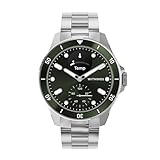
Overview: Withings ScanWatch Nova refines hybrid smartwatch functionality with targeted health enhancements, particularly for women’s wellness. It maintains analog elegance while integrating SpO₂, skin temperature, and menstrual cycle tracking, all powered by a 30-day battery life and compatible with iOS/Android.
What Makes It Stand Out: The Nova excels with its menstrual cycle guide—logging symptoms, flow, and moods for personalized routines—and 24/7 SpO₂/respiratory monitoring. Its 30-day battery ensures uninterrupted health tracking, while dual sensors capture heart rate variability overnight for trend analysis, differentiating it from basic fitness bands.
Value for Money: Positioned as a health-centric device, its value lies in specialized metrics often absent in rivals. The cycle tracker and respiratory health tools justify the cost for users seeking holistic insights, though the lack of onboard GPS slightly limits athletic utility compared to multisport watches.
Strengths and Weaknesses: Strengths: Robust women’s health features; 30-day battery; SpO₂/respiratory tracking; durable premium materials; intuitive trend analysis. Weaknesses: No GPS connectivity; temperature data is ambient (not core body); advanced features require app subscription post-trial.
Bottom Line: Highly recommended for users prioritizing comprehensive health metrics, especially women’s wellness. Its reliability, battery life, and non-intrusive design make it a top-tier hybrid for daily health monitoring.
3. Garmin vivomove Style, Hybrid Smartwatch with Real Watch Hands and Hidden Color Touchscreen Displays, Graphite with Black Woven Nylon Band

Overview: The Garmin vivomove Style merges traditional watch aesthetics with discreet smart technology, featuring hidden AMOLED touchscreens that activate only when needed. It offers essential health tracking and notifications while maintaining a classic profile, suitable for wrists 125-190mm.
What Makes It Stand Out: Its dual hidden color displays provide seamless transitions from analog elegance to digital functionality—showing notifications, activity stats, or Garmin Pay. Five-day smart battery life (plus a week in analog-only mode) and contactless payments stand out, alongside Pulse Ox and stress tracking.
Value for Money: While pricier than basic hybrids, the hidden screens and Garmin Pay add tangible utility. However, the 5-day battery lags behind competitors offering 30+ days, making it less ideal for frequent travelers. Best suited for style-focused users wanting subtle tech integration.
Strengths and Weaknesses: Strengths: Elegant hidden displays; Garmin Pay convenience; comprehensive health metrics (stress, sleep, Pulse Ox); lightweight nylon band. Weaknesses: Short battery life (5 days); Pulse Ox not medical-grade; limited app ecosystem; no onboard GPS.
Bottom Line: A stylish, functional hybrid for fashion-conscious users who value discreet notifications and Garmin’s health suite, but the short battery life may deter those seeking all-day reliability without frequent charging.
4. pininfarina Hybrid Sintesi Smart Watch, Heart Rate Monitoring, Fitness Tracker, Genuine Leather Strap, Sleep Monitoring, GPS Tracker, 30-Day Battery Life, Android & iOS Compatible

Overview: The Pininfarina Sintesi combines Italian design heritage with hybrid smartwatch functionality, featuring a 316L stainless steel case, sapphire crystal, and interchangeable leather strap. It delivers core health tracking and 30-day battery life while emphasizing minimalist sophistication.
What Makes It Stand Out: Its standout element is the fusion of Pininfarina’s automotive-inspired design—scratch-resistant sapphire and premium steel—with robust health monitoring. The 5ATM water resistance and “digital heartbeat” sensors (sleep, HR, fitness) operate seamlessly under a timeless analog facade, appealing to luxury seekers.
Value for Money: Positioned as a high-fashion accessory, it competes with entry-level luxury watches. The 30-day battery and comprehensive app insights justify the cost for design-focused users, though lacking advanced medical features (like ECG) may limit appeal for health purists.
Strengths and Weaknesses: Strengths: Exquisite minimalist design; durable 5ATM/sapphire build; 30-day battery; seamless app integration; genuine leather strap. Weaknesses: No medical-grade sensors; GPS requires phone; vague “digital heartbeat” claims lack clinical validation.
Bottom Line: An excellent pick for style-driven users wanting understated tech and reliable fitness tracking, though health enthusiasts may prefer more medically validated alternatives at similar price points.
5. pininfarina Senso Hybrid Smartwatch - an Analogue Watch with Digital Display, Tracks Heart Rate, Steps, Calories, Sleep, Fitness - Compass & Connected GPS Tracking

Overview: Pininfarina’s Senso Hybrid Smartwatch marries vintage watchmaking with modern functionality, featuring analog hands, a sapphire crystal, and Italian leather straps. It tracks core health metrics while adding unique compass and connected GPS, all housed in a 5ATM water-resistant chassis.
What Makes It Stand Out: The Senso differentiates itself with built-in compass and connected GPS—rare in hybrids—enabling precise outdoor activity tracking. Its anti-fingerprint sapphire and scratch-proof steel align with Pininfarina’s design legacy, while the companion app delivers holistic wellness insights.
Value for Money: The compass/GPS combo offers niche value for hikers or travelers, justifying a slight premium over basic hybrids. However, like the Sintesi, it lacks medical sensors, making it less compelling than Withings for health-critical users despite the 30-day battery.
Strengths and Weaknesses: Strengths: Integrated compass and GPS; premium Italian leather/steel build; 30-day battery; elegant interchangeable straps; comprehensive app analytics. Weaknesses: GPS dependent on phone; no advanced health diagnostics; similar features to Sintesi without clear differentiation.
Bottom Line: Ideal for outdoor enthusiasts seeking stylish, durable tracking with GPS, but overlapping functionality with the Sintesi model may confuse buyers—opt for Senso only if compass/GPS is essential.
Understanding the Hybrid Smartwatch Advantage for New Users
What Exactly Defines a Hybrid Smartwatch?
A hybrid smartwatch fundamentally blends traditional analog watch mechanics with embedded smart technology. Unlike full smartwatches dominated by touchscreens, hybrids retain physical watch hands to display the time. Smart functionality is integrated through discreet features like subtle vibrations for alerts, small secondary displays (often e-ink) for showing notifications or step counts, and internal sensors for activity and sleep tracking. The core philosophy is augmentation, not replacement – enhancing the classic watch experience with useful, non-intrusive digital capabilities.
Why Hybrids Shine for Tech Beginners
For those new to wearables, hybrids eliminate common pain points. The absence of a power-hungry main screen translates directly to significantly longer battery life, often measured in weeks rather than a single day, removing the daily chore of charging. The user interface is inherently simpler; interacting primarily means glancing at the hands or checking a small secondary display, avoiding complex touchscreen navigation. This reduces setup complexity and the cognitive load of managing numerous apps, making the initial experience far less daunting and more intuitive for someone unfamiliar with digital ecosystems.
Core Functionality Demystified
Don’t expect full smartphone replication on your wrist. Hybrids focus on delivering essential smart features with elegance. Core capabilities typically include receiving call, text, and calendar alerts via vibration and visual cues on a secondary display, tracking steps, distance, calories burned, and sleep patterns using built-in motion sensors, and often providing basic weather updates or music playback control. The emphasis is on passive awareness and foundational health insights, providing immediate value without overwhelming complexity.
Key Features Every Beginner Should Evaluate
Battery Life Expectations and Realities
This is often the standout feature. While specific durations vary, hybrids consistently offer weeks of use on a single charge – a massive advantage over daily-charging smartwatches. Beginners should look for models advertising at least 2-4 weeks under typical usage (including notifications and basic activity tracking). Consider how your lifestyle impacts this; frequent notification vibrations or constant heart rate monitoring (if offered) will reduce longevity. The convenience of infrequent charging is a major factor in user satisfaction for newcomers.
Notification Management Made Simple
Effective notification handling is crucial. Look for hybrids that allow easy filtering directly through a companion app – choose which apps (like calls, messages, or specific contacts) trigger a vibration or display a brief alert. Avoid models that bombard you with every single notification; the ability to customize ensures you only get alerted for what truly matters, preventing distraction and preserving battery. The physical vibration should be noticeable but not jarring, and the secondary display clear enough for a quick glance.
Activity and Health Tracking Fundamentals
Basic step counting, distance estimation, and sleep stage analysis (light, deep, REM) are standard. Beginners should prioritize accuracy in step counting and sleep detection, as these form the foundation of understanding daily habits. Some hybrids now incorporate basic optical heart rate sensors, primarily for sleep tracking and estimating calories, though accuracy for intense workout zones may be limited compared to dedicated fitness trackers. Focus on consistent, long-term trend data rather than absolute precision for medical purposes.
Compatibility and Ecosystem Integration
Ensuring the watch works seamlessly with your existing smartphone is non-negotiable. Verify compatibility with your specific phone’s operating system (iOS or Android) and version before purchase. Check if the required companion app is well-reviewed for ease of use, as this app is your control center for setup, notifications, and viewing detailed activity history. A smooth, intuitive app experience is vital for beginners to avoid early frustration.
Design, Materials, and Customization Options
Wearables are personal accessories. Hybrids come in diverse styles – classic dress watches, sporty chronographs, minimalist designs – often with interchangeable straps (silicone, leather, metal). Beginners should consider the watch’s size relative to their wrist, the weight (lighter is often preferable initially), and the materials (stainless steel, aluminum, plastic) affecting durability and feel. The ability to swap straps easily allows adapting the watch for different occasions, enhancing its versatility as a daily companion.
Navigating the Setup and Daily Experience
The Initial Pairing Process Simplified
Setting up a hybrid is generally straightforward. It typically involves downloading the companion app, enabling Bluetooth on your phone, and following the in-app prompts to pair the watch. The app will guide you through basic configuration like setting your profile, time zone, and notification preferences. Most hybrids don’t require complex wrist calibration like some full smartwatches, making the first-time experience much smoother for beginners.
Mastering Daily Interactions Effortlessly
Interaction is intentionally minimal. Checking notifications usually involves a quick glance at the secondary display (often activated by raising your wrist or pressing a discreet button). Dismissing alerts might require a button press. Controlling music playback (play/pause, skip track) is typically done via dedicated button presses mapped through the app. Understanding these simple physical interactions – rather than touchscreen swipes – is key to a frustration-free experience.
Interpreting Activity Data Without Confusion
The companion app transforms raw sensor data into understandable insights. Beginners should focus on core metrics: daily step goals (often starting with 5,000-10,000), sleep duration and consistency, and basic calorie burn estimates. Don’t get bogged down by overly complex metrics initially. Look for apps that present data clearly with simple charts and trends over days or weeks, helping you spot patterns (e.g., more steps on weekends) without needing data science skills.
Managing Battery Replacement and Longevity
Most hybrids use standard coin-cell batteries (like CR2450 or CR2430), similar to traditional watches. When the battery eventually depletes (after months or years, depending on usage), replacing it is simple – often just requiring a small tool to open the case back, available at most jewelers or watch stores. This contrasts sharply with integrated batteries in full smartwatches that require sending the device in for service after several years. Factor in the ease and low cost of future battery swaps.
Practical Considerations for Long-Term Satisfaction
Water Resistance for Real-World Use
Understanding water resistance ratings (ATM or meters) is essential. A rating of 3 ATM or 30 meters typically means protection against splashes, rain, and handwashing – sufficient for most daily activities and beginners. Avoid submerging unless the watch is explicitly rated for swimming (5 ATM/50m or higher, often with specific swim tracking). Beginners should match the rating to their lifestyle; if you swim regularly, prioritize a higher rating, but for general use, 3 ATM is usually adequate and common.
Durability and Everyday Wearability
Consider the materials. Stainless steel cases offer good scratch resistance but can show fine marks. Aluminum cases are lighter but potentially more prone to dents. Mineral glass crystals are common and reasonably scratch-resistant; sapphire offers superior scratch resistance but at a higher cost. Beginners should think about their daily environment – a rugged lifestyle might warrant more durable materials, while office work allows for more delicate finishes. The strap material (silicone for sport, leather for dress) also impacts longevity under different conditions.
Value Assessment Beyond the Price Tag
While hybrids can range in price, the true value for beginners lies in the combination of long battery life, essential smart features, timeless design, and ease of use. Don’t just chase the cheapest option; consider how well it meets your core needs (notifications, basic activity tracking, battery life) and fits your style. A slightly higher investment in a model that perfectly balances these factors and avoids early frustration often provides far greater long-term satisfaction than a budget model lacking key usability features.
Future-Proofing Your Purchase
While hybrids are inherently less feature-rich than full smartwatches, consider the manufacturer’s track record. Do they regularly update their companion app to add minor improvements or fix bugs? Is the hardware designed to support potential future software enhancements (even if limited)? While major feature upgrades are unlikely, a company committed to app support ensures your device remains functional and compatible with future phone OS updates for longer.
The Importance of Trying Before You Buy (If Possible)
If feasible, visit a store to try different models on your wrist. Pay attention to the weight, size, strap comfort, and how easily you can read the time and secondary display. Does the vibration alert feel noticeable but not disruptive? Trying it in person provides invaluable insight that specs and photos cannot, ensuring the watch feels like a natural extension of your wrist rather than a cumbersome accessory.
Maximizing Your Hybrid Smartwatch Experience
Establishing Realistic Expectations Early On
Go in understanding what a hybrid won’t do: it won’t run standalone apps, show detailed maps, answer calls directly, or offer vibrant color displays for photos. Its strength is subtlety and longevity. Beginners who embrace this focused functionality – viewing it as a smart companion to their phone, not a replacement – are far more likely to be delighted with the experience and avoid disappointment.
Optimizing Notification Settings for Peace of Mind
Spend time in the companion app fine-tuning notifications. Start by only enabling alerts for priority contacts (family, close colleagues) and critical apps (phone calls, maybe one messaging app). Disable social media, email, and non-essential app notifications entirely. This ensures vibrations are meaningful, reducing distraction and preserving battery. Revisit these settings monthly to keep them aligned with your actual needs.
Building Consistent Habits Around Activity Tracking
Don’t obsess over daily numbers. Instead, use the data to identify gentle trends. Did you take more walks last week? Did you get slightly more deep sleep after adjusting your evening routine? Focus on small, sustainable improvements rather than hitting arbitrary targets every single day. The watch is a tool for awareness, not a judge. Consistency in wearing it (even if not perfect) yields more useful long-term data than sporadic, intense tracking.
Leveraging the Companion App Effectively
Dedicate 5-10 minutes each week to review your activity and sleep data in the app. Look for patterns: Are your step counts lower on certain days? Does poor sleep correlate with late screen time? Use these insights to make small, manageable adjustments to your routine. The app is your dashboard for understanding your habits; learning to read it simply is key to unlocking the watch’s health benefits.
Frequently Asked Questions
Frequently Asked Questions
Do I need a specific smartphone for a hybrid smartwatch to work? Yes, compatibility with your phone’s operating system (iOS or Android) and its version is essential. Always check the manufacturer’s specifications for the exact compatible OS versions before purchasing to ensure seamless pairing and functionality through the required companion app.
How long does the battery actually last on a hybrid smartwatch? Battery life typically ranges from 2 to 6 months, significantly longer than full smartwatches. This duration depends heavily on usage: frequent notification vibrations, constant heart rate monitoring (if available), and the specific model’s features will impact longevity. Most users experience several weeks to a few months between battery changes.
Can I track my heart rate accurately with a hybrid watch? Some hybrids include basic optical heart rate sensors, primarily used for estimating sleep stages and overall calorie burn during activity tracking. However, accuracy for real-time heart rate monitoring during intense exercise is generally lower than dedicated fitness trackers or advanced smartwatches. They are suitable for general trends, not medical-grade precision.
Are hybrid smartwatches suitable for swimming? Most standard hybrids (rated 3 ATM/30m) are only resistant to splashes, rain, and handwashing – not suitable for swimming or submersion. If you require swim tracking, you must specifically seek a hybrid model explicitly rated for swimming (usually 5 ATM/50m or higher) and confirm it includes dedicated swim tracking modes in its features.
How do I see notifications on the watch? Notifications typically trigger a subtle vibration. To see details, you glance at a small secondary display (often e-ink), usually activated by raising your wrist or pressing a button. This display shows abbreviated info like caller ID, sender name, or app icon – not full message content. Customization of which notifications appear is done via the companion app.
Can I change the watch face or straps? The physical analog watch face (the hands and dial) cannot be changed digitally like on a full smartwatch. However, straps are almost always interchangeable using standard lug widths, allowing you to easily swap styles (leather, silicone, metal) to match different outfits or occasions, which is a major style advantage.
Is setting up a hybrid smartwatch difficult for a beginner? Generally, setup is much simpler than full smartwatches. It involves downloading the companion app, enabling Bluetooth, and following straightforward in-app pairing instructions. There’s no complex touchscreen navigation to learn initially, and core functionality (time, basic alerts) works immediately after pairing, making the onboarding process very beginner-friendly.
Do I need to charge the watch, or just replace the battery? Hybrid smartwatches use standard, replaceable coin-cell batteries (like CR2450). You do not charge them; when the battery depletes (after months or even years), you simply replace it with a new one, similar to a traditional watch. This is a quick, inexpensive process done by a jeweler or watch store.
Can a hybrid smartwatch work without my phone nearby? Basic timekeeping works independently. However, smart features like notifications, activity data syncing, and weather updates require the watch to be connected via Bluetooth to your smartphone, which needs to be within typical Bluetooth range (around 30 feet/10 meters). It cannot function as a standalone smart device.
Will using the vibration alerts drain the battery quickly? While vibration uses more power than passive timekeeping, the impact is minimal compared to a full smartwatch screen. Heavy, constant notification usage (e.g., dozens per hour) will reduce battery life, but for typical use (calls, key messages), the effect is manageable and won’t negate the weeks-to-months battery life advantage. Customizing notifications helps optimize this.
See Also
- 10 Expert-Recommended Kids Smartwatches for First-Time Tech Users in 2026
- Top 10 Best Hybrid Smartwatches for Men in 2026
- 10 Best Hybrid Smartwatches for Seniors Who Want Simplicity and Connectivity in 2026
- 10 Game-Changing Hybrid Smartwatches for Remote Workers in 2026
- How to Choose the 10 Best Hybrid Smartwatches for Urban Professionals in 2026