Table of Contents
Choosing the right running watch can feel overwhelming, especially when you’re focused on daily training and want something that delivers real value without breaking the bank. For women hitting the pavement, trails, or treadmill consistently, the ideal companion isn’t just about tracking distance—it needs to seamlessly integrate into your life, respect your physiology, and withstand the demands of regular use. You need reliability, insightful data, and comfort that doesn’t distract from your run, all while offering features that genuinely enhance your training journey without unnecessary complexity or cost. It’s less about flashy specs and more about finding a tool that consistently supports your specific routine and goals.
The concept of “value” in 2026 goes far beyond the initial price tag. It’s a blend of durability, feature relevance, battery longevity, user experience, and long-term usefulness. A watch crammed with features you’ll never touch isn’t valuable; one that perfectly aligns with your daily runs, provides actionable health insights, and lasts for years without constant charging or replacement is true value. This guide cuts through the marketing noise to focus on the essential considerations for women seeking a running watch that delivers exceptional utility for everyday training, ensuring your investment pays off in every mile logged and every goal achieved.
Top 10 Women’s Running Watches for Daily Training
Detailed Product Reviews
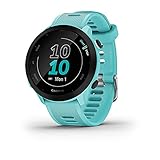
1. Garmin Forerunner 55, GPS Running Watch with Daily Suggested Workouts, Up to 2 Weeks of Battery Life, Aqua
Overview:
The Garmin Forerunner 55 Aqua is an entry-level GPS running watch designed for beginners seeking essential metrics without complexity. It tracks runs via GPS, monitors wrist-based heart rate (non-medical), and supports daily suggested workouts to guide training progression.
What Makes It Stand Out:
Its standout features include exceptional battery life (up to 2 weeks in smartwatch mode) and Garmin’s PacePro strategy tool for race-day pacing. The inclusion of diverse activity profiles—from pool swim to HIIT—and race time predictions offers surprising versatility for its class.
Value for Money:
Priced mid-range, it competes strongly against basic smartwatches by prioritizing athletic performance over notifications. While cheaper trackers lack GPS accuracy and training analytics, premium models charge significantly more for marginal upgrades, making this a smart investment for dedicated runners.
Strengths and Weaknesses:
Strengths: Long battery life, intuitive daily workout suggestions, robust GPS accuracy, and multi-sport support. Weaknesses: No music storage, limited smart features, and PacePro requires course upload via app (not on-device). The Aqua color may not suit all aesthetics.
Bottom Line:
Ideal for runners prioritizing training insights over smartwatch extras, the Forerunner 55 delivers exceptional core functionality at a fair price. Highly recommended for beginners seeking a no-fuss performance companion.
2. Garmin Forerunner 55, GPS Running Watch with Daily Suggested Workouts, Up to 2 Weeks of Battery Life, White

Overview:
This white-hued Garmin Forerunner 55 targets fitness enthusiasts wanting a clean, minimalist design paired with reliable running analytics. It functions identically to other variants, tracking distance, pace, heart rate (non-medical), and offering GPS-guided workouts.
What Makes It Stand Out:
The white edition stands out with its versatile, understated aesthetic while retaining key features like PacePro pacing strategy and 20-hour GPS battery life. Built-in profiles for niche activities (breathwork, Pilates) and race time predictions provide depth beyond typical entry-level devices.
Value for Money:
At its price point, it outperforms budget trackers with superior GPS precision and Garmin’s trusted ecosystem. Though lacking advanced recovery metrics of pricier models, its focus on actionable training tools (like daily suggested workouts) justifies the cost for goal-oriented runners.
Strengths and Weaknesses:
Strengths: Two-week battery life, comprehensive sport modes, accurate GPS tracking, and beginner-friendly daily coaching. Weaknesses: Bluetooth connectivity is app-dependent only; no onboard maps or music. White finish may show wear faster than darker models.
Bottom Line:
A polished, performance-focused choice for new runners, the white Forerunner 55 balances simplicity and sophistication. Its robust feature set makes it a top value pick in the sub-$200 running watch category.
3. Bakoor Fitness Tracker, Fitness Watch with 24/7 Heart Rate Blood Oxygen Sleep Monitor, 1.10" AMOLED HD Touch Color Screen Step Counter, Activity Trackers Pedometer Health Smart Watch for Women Men

Overview:
The Bakoor Fitness Tracker is an affordable health-focused smartwatch featuring a vibrant 1.10" AMOLED screen and 24/7 biometric monitoring. It targets casual users with sleep tracking, blood oxygen measurement, and 25+ sport modes via the “Keep Heath” app.
What Makes It Stand Out:
Its standout trait is the bright, responsive AMOLED display—rare in budget trackers—paired with extensive health metrics like breathing rate and HRV. IP68 water resistance and connected GPS for route mapping add practicality, while customizable watch faces enhance personalization.
Value for Money:
Priced significantly below Garmin equivalents, it offers remarkable screen quality and health features for everyday use. However, GPS accuracy and long-term reliability lag behind premium brands, making it best for casual fitness enthusiasts rather than serious athletes.
Strengths and Weaknesses:
Strengths: Stunning AMOLED display, comprehensive health suite (SpO2, sleep stages), 25 sport modes, and IP68 rating. Weaknesses: App integration feels clunky; GPS requires phone pairing; biometric data lacks medical validation. Battery life is unlisted but typically short for AMOLED.
Bottom Line:
An excellent budget option for general wellness tracking, but not ideal for precision training. Choose it for screen quality and health insights; skip if you need robust GPS or elite accuracy.
4. Garmin Forerunner 55, GPS Running Watch with Daily Suggested Workouts, Up to 2 Weeks of Battery Life, Black - 010-02562-00

Overview:
The black Garmin Forerunner 55 (model 010-02562-00) merges professional-grade running analytics with sleek, understated design. It delivers core GPS tracking, wrist-based heart rate monitoring, and adaptive daily workouts for runners of all levels.
What Makes It Stand Out:
Its differentiation lies in Garmin’s proven training ecosystem: PacePro for race pacing, race time predictors, and diverse activity profiles (including pool swim and HIIT). The black variant’s subtle elegance suits both gym and office, while Bluetooth 5.0 ensures stable app connectivity.
Value for Money:
Competing fiercely in the $200 segment, it surpasses basic fitness bands with true GPS and structured coaching. Though lacking music storage, its two-week battery life and no-subscription training tools offer better longevity than rivals like Fitbit Charge 6.
Strengths and Weaknesses:
Strengths: Industry-leading battery efficiency, precise GPS tracking, intuitive daily workout plans, and durable build. Weaknesses: No onboard maps; PacePro requires pre-loaded courses. The basic interface may frustrate users expecting smartwatch flair.
Bottom Line:
A no-nonsense running essential that punches above its weight. Perfect for runners seeking reliable performance metrics without frills, this black model is a confident, value-driven recommendation.
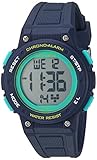
5. Armitron Sport Women’s Digital Chronograph Resin Strap Watch, 45/7086
Overview:
The Armitron 45/7086 is a sporty, fashion-forward digital watch designed for active women, featuring a 37.5mm navy case with teal/lime accents. It emphasizes practicality with chronograph functions and 100m water resistance.
What Makes It Stand Out:
Its vibrant color scheme and dual-time functionality cater to style-conscious users, while 100m water resistance (suitable for swimming) exceeds typical fashion watches. The resin strap ensures lightweight comfort, and the LCD display cleanly integrates day/date tracking.
Value for Money:
As an affordable ($30–$40) accessory, it delivers exceptional durability and water resistance for daily wear. Though lacking fitness tracking, it outperforms similarly priced analog watches with its chronograph precision and sporty versatility.
Strengths and Weaknesses:
Strengths: Bold, youthful design; reliable quartz movement; swimming-safe water resistance; comfortable resin strap. Weaknesses: No health/smart features; backlight visibility issues; limited to basic timekeeping. Not suitable for diving or intense training.
Bottom Line:
A stylish, functional choice for casual wear or light aquatic activities, but not a fitness tool. Ideal for teens or fashion-focused users wanting a splash of color without breaking the bank.
6. Smart Watch for Women Men Fitness: 1.85" Smart Watch with 30 Days+ Battery Life Make/Recive Call Heart Rate SpO2 Sleep Monitor 120+ Sport IP68 Waterproof Fitness Tracker Watch for iPhone Android
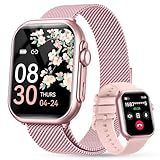
Overview: This feature-rich fitness tracker targets active users seeking extended battery life and comprehensive health monitoring. Compatible with iOS and Android, it combines communication capabilities with robust fitness tracking in a waterproof design.
What Makes It Stand Out: The standout feature is its exceptional 30-day battery life (100-day standby) powered by a 1000mAh battery—far surpassing most competitors. Seamless call/SMS handling via wrist, 120+ sport modes with GPS sync, 5ATM waterproofing for swimming, and 500+ customizable watch faces enhance versatility. The large 1.85" sunlight-readable display and 24/7 health tracking (HR, SpO2, sleep) cater to diverse lifestyles.
Value for Money: Priced mid-range, it delivers outstanding value through longevity and multifunctionality. The battery life eliminates daily charging hassles, while IP68/5ATM durability and cross-platform compatibility justify costs better than short-lived alternatives. Ideal for travelers, swimmers, and those prioritizing uptime over premium materials.
Strengths and Weaknesses:
Strengths: Unmatched battery life; robust waterproofing; extensive sport modes; clear display; customizable faces; call/notification handling.
Weaknesses: Sleep tracking limited to specific hours; SpO2/blood pressure estimates lack medical precision; requires FitCloudPro app background running for notifications.
Bottom Line: A top-tier choice for fitness enthusiasts needing endurance and functionality. Its battery life and swim-proof design make it a practical, cost-effective investment for active users, despite minor health metric limitations.
7. Hearkent Womens Pedometer Watch-Step Tracker Watch with Calories Counter-Non Bluetooth Pedometer Watches-LCD Large Numbers-30M Waterproof Watch-Wrist Watch Step Counter for Walking(Green)

Overview: A minimalist, non-smart pedometer watch designed for straightforward step and calorie tracking without app dependencies. Its focus on simplicity appeals to users seeking a no-fuss fitness accessory.
What Makes It Stand Out: Total independence from Bluetooth and apps is its key differentiator. It accurately counts steps, calories, and miles autonomously while doubling as a functional wristwatch with alarm, stopwatch, and EL backlight. The 30M waterproofing, breathable nylon strap, and 12-month battery life enhance practicality for daily wear.
Value for Money: Extremely economical for basic tracking needs. At a fraction of smartwatch costs, it avoids subscription fees or charging routines. The 12-month battery and durable stainless steel buckle maximize longevity, making it ideal for budget-conscious users, seniors, or as a no-tech gift.
Strengths and Weaknesses:
Strengths: Zero app/Bluetooth dependency; 12-month battery; comfortable breathable strap; large easy-read display; multifunctional (alarm, stopwatch); affordable.
Weaknesses: Limited to step/calorie tracking; no heart rate/sleep monitoring; step-counting ignores sub-10-second movements; only 30M waterproofing (not swim-proof).
Bottom Line: Perfect for users wanting purely basic step tracking without digital complexity. Its reliability and low cost make it a sensible pick for casual walkers or as a secondary fitness tool, but insufficient for health metrics enthusiasts.
8. Fitness Tracker with Heart Rate/Blood Oxygen/Sleep Monitor, 20+ Sports Modes Smart Watches for Women/Men, Activity & Step Tracker Smart Watch for Android/iOS Phones (Dark Black)

Overview: A compact fitness tracker emphasizing health metrics and smart features at an accessible price point. It targets health-conscious users seeking essential tracking without premium costs.
What Makes It Stand Out: The 1.10" AMOLED HD touchscreen delivers vibrant visuals in a sleek stainless steel frame, paired with 24/7 heart rate, SpO2, blood pressure, and sleep stage analysis. Unique smart functions like “Female Health” tracking, drink reminders, and family health monitoring via the “Keep Health” app add niche utility.
Value for Money: Excellent mid-tier value. It rivals pricier models with comprehensive health tracking and a bright AMOLED display but lacks advanced GPS or battery life. The inclusion of 25 sport modes and smart notifications justifies its cost for casual fitness users avoiding high-end investments.
Strengths and Weaknesses:
Strengths: Sharp AMOLED display; thorough health/sleep tracking; diverse smart features; stainless steel build; 25 sport modes.
Weaknesses: App (“Keep Health”) less established than Garmin/Apple; no standalone GPS; battery life unconfirmed but likely short; blood pressure estimates may lack accuracy.
Bottom Line: A compelling budget-friendly option for holistic health monitoring. Best suited for beginners or supplementary tracking, though serious athletes may desire more robust metrics and app integration.
9. LIVIKEY Fitness Tracker Watch with Heart Rate Monitor, Activity Tracker with Pedometer, Sleep Monitor, Calories & Step Counter, IP68 Waterproof Smart Watches for Women Men Fitness Watch for Sports

Overview: A balanced fitness tracker offering core health metrics and smart notifications in a lightweight, waterproof package. It bridges casual and active use cases for everyday health awareness.
What Makes It Stand Out: Its 5-7 day battery life (2-hour charge) and IP68 waterproofing provide reliable daily usability, while 9 sport modes and automatic heart rate/sleep tracking deliver essential insights. Smart notifications for calls/SMS and apps (Facebook, WhatsApp) enhance connectivity without call-making capabilities.
Value for Money: Solid value in the entry-tier segment. It undercuts premium brands while covering fundamentals: sleep analysis, step counting, and notifications. The 5-7 day battery reduces charging frequency versus rivals, though the lack of GPS may deter runners. Ideal for casual users prioritizing affordability.
Strengths and Weaknesses:
Strengths: Long battery life for class; IP68 durability; intuitive app compatibility; comprehensive basic tracking; sedentary/water reminders.
Weaknesses: Only 9 sport modes (limited for athletes); no GPS; sleep data less detailed than competitors; notifications one-way only (no replies).
Bottom Line: A dependable daily tracker for health-conscious beginners. Its balanced features and battery life offer great utility under $50, though fitness devotees may need more advanced analytics.
10. Garmin Forerunner 265S Running Smartwatch, Colorful AMOLED Display, Training Metrics and Recovery Insights, Light Pink and Powder Gray

Overview: A premium running-focused smartwatch engineered for serious athletes, blending advanced training analytics with a vibrant AMOLED display in a compact 42mm design.
What Makes It Stand Out: Garmin’s proprietary training readiness score—synthesizing HRV, sleep, and recovery data—sets it apart, alongside race-strategy planning via Garmin Connect. The brilliant AMOLED screen, 15-day battery life (24h GPS), and morning health reports provide actionable insights for performance optimization.
Value for Money: Justifies its premium price with professional-grade metrics. While costlier than fitness bands, its training algorithms, recovery insights, and rugged build target dedicated runners who rely on data-driven progress. Superior to generic trackers for structured athletic development.
Strengths and Weaknesses:
Strengths: Unrivaled training analytics; exceptional AMOLED display; 15-day battery; accurate recovery metrics; lightweight design; weather integration.
Weaknesses: Very high price; limited non-running features; smaller display than competitors; app-centric (requires Garmin Connect).
Bottom Line: The definitive choice for runners investing in performance gains. Its data depth and reliability warrant the cost for athletes, though casual users may find it over-specified. A top-tier tool for goal-oriented training.
Understanding Value Beyond the Price Tag
Defining Personal Value for Daily Runners
Value is deeply personal and hinges on how well a watch solves your specific running and lifestyle challenges. For daily training, prioritize features you’ll use consistently—like accurate GPS for route tracking, reliable heart rate monitoring for effort zones, and sufficient battery life to last your entire weekly routine without daily charging. Consider how the watch integrates with your existing ecosystem (phone, apps) and whether its data presentation is clear and motivating. A slightly higher upfront cost is justified if it eliminates frustration and delivers consistent, trustworthy information run after run.
The True Cost of Ownership Over Time
Look beyond the checkout price. Consider the watch’s expected lifespan—will it become obsolete due to outdated software or poor build quality within a year or two? Factor in potential costs like replacement bands (especially important for smaller wrists), subscription fees for advanced analytics (if required), and the hassle of frequent replacements if durability is lacking. A watch that lasts three years with minimal fuss often offers far better value than a cheaper model needing replacement annually. Assess build materials (like reinforced polymers vs. basic plastics) and manufacturer support promises for software updates.
Balancing Features with Simplicity
More features don’t automatically equal better value, especially for daily training. Overly complex interfaces can hinder usability mid-run. Focus on core running metrics executed well: precise distance, pace, heart rate, and elevation. Ensure the interface is intuitive enough to glance at while running. Avoid paying for niche features (like advanced golf metrics or extensive music storage) if they don’t serve your primary running and health tracking needs. Value lies in mastering the fundamentals reliably and presenting them clearly.
Essential Features for Women’s Daily Running Routines
Optimized Fit and Comfort for Smaller Wrists
A watch that slides around or feels bulky is a constant distraction. Prioritize models designed with slimmer profiles, shorter bands, and lighter weights specifically catering to smaller wrist circumferences common among women. Look for band materials that breathe well during long runs and clasps that adjust finely for a secure, non-irritating fit. Comfort isn’t just about aesthetics; an ill-fitting watch can cause chafing, obscure the screen, or even affect heart rate sensor accuracy due to movement.
Advanced Health Metrics Tailored to Female Physiology
Beyond basic step counting, valuable daily training watches in 2026 offer insights relevant to women’s health cycles. Accurate sleep stage tracking (light, deep, REM) is crucial for understanding recovery, directly impacting training readiness. Stress monitoring via HRV (Heart Rate Variability) provides a daily snapshot of your body’s resilience. Most importantly, seamless integration of menstrual cycle tracking allows for correlating performance, energy levels, and recovery with your hormonal phase, enabling smarter, more intuitive training adjustments week-to-week.
Reliable Core Running Performance Metrics
Accuracy in GPS tracking, pace calculation, and heart rate monitoring is non-negotiable for meaningful daily training data. Ensure the watch utilizes multi-GNSS systems (GPS, GLONASS, Galileo) for superior location accuracy, especially in urban canyons or under tree cover. Optical heart rate sensors should employ the latest LED configurations and algorithms to minimize motion artifacts during varying paces. Elevation tracking, while often less critical for flat routes, benefits from barometric altimeter support for more reliable hill data on trails or varied terrain.
Durability and Practicality for Everyday Wear
Real-World Battery Life That Matches Your Schedule
Advertised battery life is often based on idealized settings. For daily training value, scrutinize real-world expectations with core features active (GPS, heart rate monitoring, notifications). Can it comfortably last your entire typical training week (e.g., 5-7 days) on a single charge with moderate GPS use? Consider charging time – a watch needing 2 hours to charge fully is less practical than one reaching 80% in 30 minutes. Wireless charging convenience is a significant plus for daily integration. Avoid models requiring daily charging unless you have a very specific, short-battery-life need.
Weatherproofing and Everyday Resilience
Daily training means encountering rain, sweat, mud, and accidental splashes. A minimum of 5 ATM water resistance (50 meters) is essential, protecting against heavy rain and allowing post-run handwashing without removal. Higher resistance (10 ATM) offers peace of mind for swimming or more intense water exposure. Beyond water, the watch face should be scratch-resistant (sapphire crystal is ideal, but reinforced glass is common), and the overall construction should withstand bumps against doorframes or gym equipment without cracking. Durability ensures your investment survives the grind of consistent use.
Screen Visibility in All Conditions
Glancing at your watch mid-run is useless if you can’t see the display. Prioritize always-on displays with high brightness levels (measured in nits) that remain readable in direct, harsh sunlight – a common challenge on morning or afternoon runs. Transflective screens, which use ambient light to enhance visibility, are particularly valuable. Consider screen size and font legibility; a slightly larger screen might be preferable for quick data checks, but balance this with overall watch size for smaller wrists. Touch responsiveness with sweaty fingers is also a practical plus.
Maximizing the Software and Ecosystem Experience
Intuitive Companion App for Data Analysis
The watch is just the data collector; the companion app is where insights become actionable. A valuable watch has an app that presents your running data clearly, highlights trends over time (pace consistency, heart rate drift, recovery), and offers meaningful summaries without overwhelming complexity. Look for easy filtering by run type, terrain, or physiological state (e.g., “runs during high stress”). The app should facilitate setting realistic weekly goals based on your historical performance and recovery data, turning raw numbers into a personalized training guide.
Seamless Smartphone Integration and Notifications
Daily wear value includes functioning well as a smartwatch. Reliable Bluetooth connectivity for call, text, and app notifications (customizable to avoid distractions mid-run) is important. The ability to easily control music playback from your wrist or store music directly on the watch (if supported) enhances the running experience. Ensure the connection stability is solid to prevent dropped notifications or constant re-pairing hassles. Integration with popular running communities or social platforms can also add motivational value for some users.
Future-Proofing Through Software Updates
Technology evolves rapidly. A valuable running watch comes from a manufacturer with a proven track record of delivering regular, meaningful software updates. These updates can improve battery life, enhance sensor accuracy, add new workout modes, introduce fresh watch faces, or integrate with new health platforms. Check the manufacturer’s typical update policy and history for previous models. Avoid brands known for abandoning devices quickly; ongoing software support significantly extends the practical lifespan and value of your purchase.
Smart Considerations for Long-Term Satisfaction
Customization for Personal Style and Function
Daily wear means your watch is part of your look. Value includes options for easily swappable bands in various materials (silicone, nylon, leather, metal) and colors to match different outfits or preferences. Consider watch face customization – can you prioritize the metrics you care about most for a quick glance? Some level of personalization enhances daily enjoyment and makes you more likely to wear it consistently, maximizing the data collected and insights gained.
Comprehensive Warranty and Customer Support
A solid warranty (typically 1-2 years) is standard, but investigate the reputation of the manufacturer’s customer support. Are repairs reasonably priced and accessible? Is there responsive help for software issues or connectivity problems? Good support can save significant time, money, and frustration if something goes wrong, directly impacting the long-term value proposition. Look for user reviews specifically mentioning support experiences.
Data Ownership, Privacy, and Interoperability
Who owns your running and health data? A valuable ecosystem gives you clear control and easy export options (usually via standard formats like FIT or TCX). Understand the manufacturer’s privacy policy regarding your sensitive health information. Furthermore, check if the watch syncs smoothly with other health platforms you use (like Apple Health, Google Fit, or Strava) without requiring complex workarounds. Seamless data flow ensures your insights aren’t locked into a single, potentially obsolete, ecosystem.
Sustainable Design and Manufacturing Practices
Increasingly, value encompasses environmental responsibility. Research if the brand uses recycled materials in construction (housing, bands, packaging), offers repair programs to extend product life, or has clear end-of-life recycling initiatives. While not the primary factor for everyone, supporting companies committed to sustainability aligns with long-term thinking and responsible consumption, adding an ethical dimension to the value assessment.
Frequently Asked Questions
How important is a separate GPS chip versus relying on my phone?
A built-in GPS chip is essential for true running watch value. It provides more accurate distance and pace tracking independent of your phone, allows you to leave your phone at home for shorter runs, and significantly conserves your phone’s battery. Phone-dependent GPS is less reliable and drains your primary device.
What level of water resistance is truly necessary for daily running?
A minimum of 5 ATM (50 meters) water resistance is crucial. This protects against heavy rain, sweat, and accidental submersion (like dropping it in a sink). It’s sufficient for all running conditions and post-run cleaning. Higher ratings (10 ATM) are beneficial if you also swim regularly.
Can I rely solely on the watch’s heart rate monitor for training zones?
Modern optical sensors are generally reliable for steady-state running and tracking trends, making them valuable for daily zone training. However, for maximum accuracy during very high-intensity intervals or sprints, a chest strap may still be preferable. Focus on consistency – using the same monitor allows you to track changes reliably over time.
Are subscription fees common for basic running data analysis?
Reputable running watches typically provide core data analysis (maps, pace, heart rate charts, summaries) within their free companion apps. Subscriptions usually unlock advanced analytics, personalized coaching plans, or extensive training plans. For daily training value, prioritize watches where the fundamental data you need is accessible without a recurring fee.
How can I ensure the screen is visible in bright sunlight?
Look for watches explicitly advertising high brightness levels (500+ nits is good, 1000+ is excellent for sunlight) and always-on display capability. Transflective display technology, which uses ambient light, is particularly effective in bright conditions. Check user reviews specifically mentioning outdoor visibility.
How often will I realistically need to charge the watch for daily running?
This varies significantly. With GPS active for 1 hour daily, plus continuous heart rate and notifications, expect 5-7 days battery life from a quality mid-range watch. High-end models might reach 10-14 days. Always check independent reviews for real-world battery tests matching your usage pattern, not just manufacturer claims.
Are there specific band types better for smaller wrists and sensitive skin?
Silicone bands with multiple small adjustment holes offer the best fit for smaller wrists. For sensitive skin, look for hypoallergenic silicone, nylon (like NATO straps), or textile bands. Avoid cheap plastics or metals that might cause irritation during sweaty runs. Easily swappable bands allow you to find your perfect comfort match.
Does the watch need to connect to my phone for basic run tracking?
No. A key value of a dedicated running watch is its ability to record GPS, pace, heart rate, and other metrics completely independently. Your run data is stored on the watch and syncs to your phone/app later. This is vital for runs where you don’t want to carry your phone.
How crucial is compatibility with Strava or other running apps?
Very important for most runners. Seamless, automatic syncing with platforms like Strava, Garmin Connect, or TrainingPeaks is essential for sharing runs, analyzing data in different ways, and participating in community challenges. Verify specific compatibility before purchasing to avoid manual data uploads.
What’s the typical lifespan of a quality running watch before needing replacement?
With proper care and regular software updates, a well-built running watch should last 3-5 years for core running functions. Battery degradation is the most common reason for replacement, often becoming noticeable after 2-3 years. Durability and ongoing software support are key factors in maximizing lifespan and value.
See Also
- 10 Best Women’s Running Watches for All-Day Wear and Training in 2026
- 2026’s Top 10 Smart Running Watches for Daily Commute and Training
- 10 Top-Rated Women’s Running Watches According to Experts in 2026
- 10 Best Women’s Running Watches for Lightweight Comfort in 2026
- 2026’s Top 10 Smart Running Watches for Daily Workouts