Table of Contents
Imagine waking up not to an alarm, but to a gentle notification on your wrist: your body temperature has been steadily rising for the past two hours, suggesting the very earliest stirrings of an infection. This isn’t science fiction; it’s the evolving reality of continuous health monitoring. For decades, we’ve relied on the familiar click and beep of a spot-check thermometer, capturing a single moment in time. But our bodies tell richer stories through subtle, continuous shifts. Continuous temperature monitoring offers a window into physiological rhythms, early illness detection, recovery tracking, and even insights into hormonal cycles – information previously invisible without cumbersome, clinical equipment. It transforms passive health observation into proactive, personalized wellness management.
The limitations of traditional thermometers become starkly clear when managing chronic conditions, caring for vulnerable loved ones, or optimizing athletic performance. A single elevated reading might signal illness, but without context – how fast did it rise? When did it peak? How long has it been elevated? – the picture remains frustratingly incomplete. Continuous wearable thermometers bridge this gap, providing a dynamic data stream that empowers individuals and healthcare providers with actionable insights. In 2026, as sensor technology, miniaturization, and AI-driven analytics converge, these devices are moving beyond novelty into essential tools for a more nuanced understanding of our health, promising a future where we anticipate needs rather than merely react to symptoms.
Top 10 Wearable Thermometers for Continuous Health Monitoring
Detailed Product Reviews
1. Masimo Radius T°™ Wearable Digital Thermometer, Continuous Monitoring of Fever 24x7, Medical Grade Accuracy, 3 Temperature Sensors, Water-Resistant, Free Smart App Alerts on Android/iOS

Overview: The Masimo Radius T°™ is a medical-grade wearable thermometer designed for continuous, real-time fever monitoring. It adheres discreetly to the body, utilizing three temperature sensors for clinical accuracy while syncing wirelessly to a smartphone app for alerts and tracking.
What Makes It Stand Out: Its 24/7 continuous monitoring without disturbing sleep is exceptional, backed by FDA-cleared medical accuracy. The water-resistant design and multi-sensor system ensure reliability during daily activities, while the free app delivers customizable fever alerts to caregivers’ devices.
Value for Money: Positioned as a premium medical device, its price reflects hospital-grade technology translated for home use. While costlier than basic thermometers, the peace of mind from uninterrupted monitoring justifies the investment for high-risk patients or vigilant caregivers.
Strengths and Weaknesses:
Strengths: Unmatched clinical accuracy; seamless 24/7 tracking; robust app integration; durable and water-resistant.
Weaknesses: Limited consumer availability; requires smartphone dependency; no explicit battery life details; higher cost than consumer alternatives.
Bottom Line: Ideal for medical professionals or families needing hospital-level precision at home; recommended despite the premium price for critical fever monitoring scenarios.
2. Momcozy Wearable Digital Thermometer for Baby, Medical-Grade Accurate Smart Thermometer, Instant Reads, APP Real-time Monitoring for Infants & Kids, Hypoallergenic 3M Stiker,Bluetooth, 180H Lasting

Overview: Momcozy’s wearable thermometer offers medical-grade temperature tracking for infants using a hypoallergenic underarm patch. It syncs via Bluetooth to an app for real-time fever alerts, continuous monitoring, and trend analysis, prioritizing baby comfort and parental convenience.
What Makes It Stand Out: The ±0.2°F precision sensor and ISO 10993-compliant 3M sticker ensure safety during sleep, while 180-hour battery life and local data storage enhance usability. Multi-child profile support and symptom logging provide holistic health insights without cloud dependency.
Value for Money: Priced competitively against similar smart thermometers, its longevity (180H battery), reusable sensor (disposable stickers only), and privacy-focused data storage deliver strong value. Beats single-use alternatives for frequent monitoring needs.
Strengths and Weaknesses:
Strengths: Exceptional skin safety; long battery life; intuitive app with trend charts; multi-user support; travel-friendly case.
Weaknesses: Stickers require 8-hour replacement; app must run foreground for continuous tracking; Bluetooth range limitations.
Bottom Line: A top choice for parents seeking reliable, non-intrusive infant fever monitoring; excellent value for ongoing use despite minor app constraints.
3. Traxit Wearable Children’s Axillary Thermometer – 48-Hour Continuous Read, Clinically Accurate, Single-Use Pediatric Thermometer for Kids, Babies, Toddlers & Infants (12-Pack (Fahrenheit))

Overview: Traxit offers single-use, chemical-based axillary thermometers for continuous 48-hour pediatric temperature monitoring. Made in the USA with NexTemp technology, these disposable strips provide clinical accuracy without electronics, batteries, or apps.
What Makes It Stand Out: The 48-hour continuous read capability—simply placed under the arm—and zero-maintenance design eliminate charging or app hassles. Eco-friendly (no batteries/waste) and trusted by hospitals for 30+ years, it’s ideal for travel or emergencies.
Value for Money: The 12-pack offers exceptional affordability per use compared to electronic options. While not reusable, the cost per monitoring session is minimal, making it perfect for occasional sickness or as a backup.
Strengths and Weaknesses:
Strengths: No batteries/cleaning needed; hospital-trusted accuracy; ultra-portable; eco-friendly; 48-hour continuous read.
Weaknesses: Single-use only (12-pack may deplete quickly); manual reading (no app alerts); no trend tracking; less precise than digital sensors.
Bottom Line: Best for parents wanting a simple, reliable backup thermometer; unmatched convenience for short-term use but lacks smart features for chronic monitoring.
4. EnergyPort Smart Bracelet with Blood Oxygen/Blood Pressure Monitor, 60-Day Battery Health Fitness Tracker with 2 Bands,Lifetime Membership,Activity Tracking Heart Rate Sleep Monitor for Android iOS

Overview: EnergyPort combines health tracking (SpO₂, BP, heart rate) with fitness monitoring in a feather-light bracelet. It boasts 170+ sports modes, 60-day battery life, and lifetime app access, targeting active users seeking holistic wellness insights.
What Makes It Stand Out: The 25g design (50% lighter than rivals) and dual straps ensure all-day comfort, while 45–60-day battery life and 1ATM waterproofing enable true 24/7 use. AI-driven cycle prediction and stress scans add personalized health layers beyond basic trackers.
Value for Money: Premium-priced but justified by exceptional battery life, dual-band versatility, and lifetime membership. Outperforms rivals in longevity and comfort, though medical readings are non-diagnostic (as disclosed).
Strengths and Weaknesses:
Strengths: Unbeatable battery life; ultra-lightweight comfort; comprehensive fitness modes; smart alerts; shower-safe.
Weaknesses: Blood pressure/spO₂ not medical-grade; GPS requires phone sync; app dependency for full features.
Bottom Line: A stellar fitness-focused health companion for active lifestyles; recommended for motivation and trends, but not for clinical decisions.
5. Vibeat Wearable Blood Oxygen Monitor Oxylink - Bluetooth Pulse Oximeter Finger with Audio Notification, Rechargeable O2 Sensor for Continuous Tracking with Free App
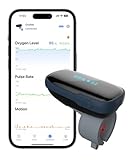
Overview: Vibeat’s OxyLink is a ring-shaped pulse oximeter for continuous SpO₂ and heart rate tracking. It pairs with a free app for data logging, audio alerts, and health trend analysis, targeting users monitoring respiratory or cardiac conditions.
What Makes It Stand Out: The comfortable, universal-fit ring design enables discreet all-day wear, while 8–12 hour battery life supports extended tracking. Audio alerts for threshold breaches and offline data storage (4 records) add reliability during connectivity gaps.
Value for Money: Mid-priced for medical-grade accuracy, it offers strong value with rechargeable convenience, PDF/CSV exports, and Apple Health sync. Beats pricier clinical devices for home use but lacks Traxit’s disposability for travel.
Strengths and Weaknesses:
Strengths: Comfortable ring design; audio threshold alerts; offline data storage; app data export; Apple Health integration.
Weaknesses: Short battery life (8–12H); app alerts require unlocked phone; limited on-device storage.
Bottom Line: Excellent for intermittent SpO₂ tracking at home; ideal for respiratory health awareness but less suited for all-day wear due to battery constraints.
6. No-Touch Thermometer for Adults and Kids, Accurate Digital Baby Thermometer, Fever Alarm & Silent Mode, 2 in 1 Forehead & Object Mode
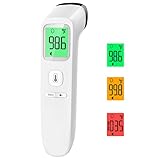
Overview: The Goodbaby No-Touch Thermometer offers non-invasive temperature readings for all ages using infrared technology. Clinically validated for forehead use, it also measures object or room temperatures, making it versatile for family health monitoring. What Makes It Stand Out: Its dual-mode functionality (forehead and object) and pediatrician-backed accuracy are key differentiators. The silent mode is ideal for sleeping children, while the ergonomic ABS design ensures a secure grip during use on restless kids. Instant readings in Celsius/Fahrenheit add convenience. Value for Money: Priced competitively against single-mode thermometers, its dual functionality justifies the cost. It eliminates the need for separate room/object thermometers, offering better long-term utility than basic models despite lacking continuous monitoring. Strengths and Weaknesses: Strengths: Clinical accuracy, fast readings (<1 second), silent mode, durable build, and multi-age suitability. Weaknesses: Requires precise positioning for accuracy; object mode less critical for most households; no continuous tracking for fever trends. Bottom Line: An excellent, reliable choice for quick, hygienic spot checks, especially for families with young children. Ideal for occasional use but less suited for prolonged illness monitoring.
7. Traxit Wearable Children’s Axillary Thermometer – 48-Hour Continuous Read, Clinically Accurate, Single-Use Pediatric Thermometer for Kids, Babies, Toddlers & Infants (100-Pack (Celsius))

Overview: This single-use axillary thermometer provides 48-hour continuous temperature monitoring for children. Applied under the arm, it uses NexTemp Ultra Liquid Crystal Technology for clinical-grade accuracy without batteries or electronics. What Makes It Stand Out: Unmatched convenience for uninterrupted sleep monitoring—no waking children for readings. Its eco-friendly, disposable design (100 units) eliminates cross-contamination risks and cleaning hassles, trusted by hospitals for 30+ years. Value for Money: The 100-pack offers exceptional value for frequent users (e.g., daycare centers or large families), costing pennies per use. It surpasses reusable thermometers in hygiene and long-term savings by avoiding replacement costs from breakage or calibration issues. Strengths and Weaknesses: Strengths: True continuous monitoring, zero maintenance, portability, hospital-grade accuracy, and US-made reliability. Weaknesses: Single-use generates waste (though less than cleaning wipes); requires proper arm placement; not reusable for multiple children. Bottom Line: The top pick for stress-free, prolonged fever tracking in children. Essential for parents prioritizing accuracy and convenience during illness, especially with the bulk 100-pack.
8. Traxit Wearable Children’s Axillary Thermometer – 48-Hour Continuous Read, Clinically Accurate, Single-Use Pediatric Thermometer for Kids, Babies, Toddlers & Infants (12-Pack (Celsius))

Overview: Identical to Product 7 but sold as a 12-pack, this single-use axillary thermometer delivers 48-hour continuous temperature monitoring for infants and children using chemical-based NexTemp technology. What Makes It Stand Out: Retains all core advantages: battery-free operation, clinical accuracy, and effortless under-arm placement for uninterrupted sleep monitoring. Its compact size fits seamlessly into travel kits or emergency medical supplies. Value for Money: The 12-pack suits occasional users (e.g., small families or travelers) at a lower upfront cost than the 100-pack. While cost-per-unit is higher, it’s ideal for those needing backups without bulk storage, outperforming reusable thermometers in hygiene during acute illness. Strengths and Weaknesses: Strengths: Same hospital-trusted accuracy as Product 7, no setup, travel-friendly, and eliminates cross-contamination. Weaknesses: Limited quantity increases per-use cost; single-use model may concern eco-conscious buyers despite low waste claims. Bottom Line: A practical, hygienic solution for short-term fever management. Best for households wanting disposable convenience without committing to bulk purchases.
9. SkyPad FDA-Cleared Contact-Free Heart & Breathing & Sleep Apnea & Seizure Monitor, Adult & Children Home Health Care - Senior & Nursing Home - Remotely Monitor Wellness via app - Emergency Alert Call

Overview: SkyPad is an FDA-cleared, contactless sensor system monitoring heart rate, breathing, sleep apnea, seizures, and room conditions via a pad placed under a pillow. Data transmits in real-time to a hub and mobile app for remote caregiving. What Makes It Stand Out: Its non-invasive, all-in-one monitoring (including critical metrics like apnea and convulsions) sets it apart. Remote alerts and emergency SOS calling without subscriptions provide peace of mind for seniors or chronically ill patients. Value for Money: Justified for high-risk scenarios (e.g., elderly care or seizure management) where continuous monitoring prevents emergencies. The $300+ price is competitive against medical-grade alternatives, though overkill for basic wellness tracking. Strengths and Weaknesses: Strengths: FDA clearance, comprehensive metrics, true contactless design, no ongoing fees, and reliable remote alerts. Weaknesses: High initial cost; requires stable Wi-Fi; setup complexity may deter non-tech users; not for infants under 1 year. Bottom Line: A vital investment for remote senior or high-risk patient care, offering unparalleled safety features. Not cost-effective for general health tracking.
10. Wellue O2 Pulse Oximeter with Smart Reminder | Blood Oxygen Saturation Monitor for SpO2 and Heart Rate Tracking Continuously, Bluetooth Finger Ring with Free APP &PC Report, Style 1
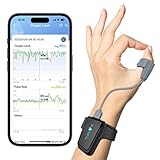
Overview: This ring-shaped pulse oximeter provides continuous SpO2 and heart rate monitoring via a comfortable silicone sensor. It pairs with a free app for real-time tracking, trend analysis, and customizable low-oxygen alerts. What Makes It Stand Out: The patented ring design prevents finger numbness during all-day wear—unlike bulky clip models. Smart vibration/audio alerts and 72-hour battery life enable proactive health management without frequent charging. Value for Money: Superior to disposable clip models ($20-$50) with its durability and continuous tracking. The 3-day battery and app integration offer long-term value for chronic condition management, though premium-priced (~$100). Strengths and Weaknesses: Strengths: All-day comfort, extended battery, actionable app insights, and reliable alerts. Weaknesses: App dependency for full functionality; ring size may not fit all fingers; higher upfront cost than basic oximeters. Bottom Line: The best continuous oximeter for active users managing respiratory or cardiac conditions, combining comfort with critical health insights.
Understanding Continuous Temperature Monitoring: Why It Matters
Beyond the Fever Spike: The Power of Trend Data
Spot-check thermometers provide isolated snapshots, useful for confirming a fever but blind to the crucial context surrounding it. Continuous monitoring reveals the trajectory – the subtle pre-symptomatic rise, the plateau during illness, and the gradual return to baseline during recovery. This trend data is invaluable for identifying the onset of conditions earlier, understanding the body’s response to treatment, and recognizing patterns that might indicate underlying issues long before acute symptoms appear. It shifts the focus from reactive diagnosis to proactive health management.
Physiological Insights Beyond Illness Detection
While fever detection is a primary driver, continuous temperature data unlocks a wealth of other physiological insights. Core body temperature follows a natural circadian rhythm, dipping at night and rising during the day; disruptions can signal sleep disorders or stress. Fluctuations are also tightly linked to the menstrual cycle, aiding fertility awareness. For athletes, monitoring core temperature trends during training is critical for preventing heat illness and optimizing performance. Even metabolic rate and certain hormonal responses correlate with temperature shifts, offering potential avenues for broader health assessment.
The Shift from Clinical to Consumer-Centric Health Tracking
Historically, continuous core temperature monitoring required invasive probes or bulky clinical devices confined to hospitals. Today’s wearable thermometers leverage advanced, non-invasive sensor technology integrated into comfortable, everyday formats. This consumerization democratizes access to sophisticated physiological data, putting the power of continuous monitoring directly into the hands of individuals. It represents a significant step towards personalized, data-driven health management integrated seamlessly into daily life, moving healthcare beyond the clinic walls.
Key Features to Evaluate in a Wearable Thermometer
Accuracy: The Non-Negotiable Foundation
Precision is paramount. Look for devices validated against clinical-grade thermometers (like rectal or esophageal probes for core, or high-quality temporal artery for skin) under various conditions. Understand the stated accuracy range (e.g., ±0.1°C or ±0.2°F) and whether it’s for core or skin temperature estimation. Be wary of claims without independent verification. Accuracy can be affected by placement, movement, ambient temperature, and even perspiration, so robust sensor design and algorithms are crucial.
Sensor Technology and Placement Options
Different placements offer trade-offs. Wrist-worn devices are convenient but measure skin temperature, requiring sophisticated algorithms to estimate core temperature reliably, which can be influenced by local blood flow and environment. Forehead patches or ear-based sensors often provide a closer approximation to core but may be less comfortable for 24/7 wear. Some advanced wearables integrate multiple sensor types (like dual thermistors) or combine temperature data with other metrics (like heart rate variability) to improve core estimation accuracy. Consider which placement aligns best with your need for accuracy versus comfort and discretion.
Calibration and Stability Over Time
Sensors can drift. Does the device require periodic manual calibration against a reference thermometer? How stable is the reading over hours and days of continuous use? High-quality devices minimize drift and may incorporate automatic calibration routines or leverage other sensor data to maintain accuracy without user intervention. Long-term stability is essential for tracking meaningful trends rather than sensor inconsistencies.
Comfort and Practicality for All-Day Wear
Design Ergonomics and Material Safety
You’ll likely wear this device constantly, so comfort is non-negotiable. Evaluate the size, weight, and flexibility. Is it bulky or discreet? Materials should be hypoallergenic medical-grade silicone or similar, especially for patch-style devices adhering directly to skin for extended periods. Consider edge design to prevent snagging and ensure smooth contact. For wrist devices, strap comfort and breathability matter significantly during sleep or exercise.
Battery Life and Charging Convenience
Continuous monitoring is power-hungry. Assess realistic battery life – does it last through a full night’s sleep plus the next day? How long does charging take? Is the charging method convenient (magnetic dock, USB-C)? Devices requiring daily charging become burdensome and risk data gaps. Aim for multi-day battery life where possible, especially for critical health monitoring scenarios. Some newer models utilize innovative low-power modes or energy-harvesting techniques.
Water Resistance and Durability
Life happens. Ensure the device has appropriate water resistance (look for IP67 or IP68 ratings at minimum) to withstand sweat during exercise, handwashing, or unexpected rain. Durability against everyday bumps and drops is also important for a device meant for constant use. Consider the warranty period as an indicator of the manufacturer’s confidence in longevity.
Data Management, Insights, and Usability
Real-Time Monitoring and Alert Capabilities
The true value lies in timely awareness. Does the device provide real-time temperature readings on a companion app? Crucially, can you set customizable alerts for specific thresholds (e.g., notify me if temp exceeds 38°C/100.4°F) or significant rate-of-rise? Reliable, non-intrusive alerts are vital for parents monitoring children, caregivers, or individuals managing conditions where rapid temperature changes are concerning.
Trend Analysis and Historical Data Visualization
Raw numbers are less useful than interpreted trends. A robust app should display clear, easy-to-understand graphs showing temperature over hours, days, or weeks. Look for features like overlaying sleep periods, activity logs, or medication times to identify correlations. The ability to easily share clean, summarized reports with healthcare providers is also a significant advantage for clinical discussions.
App Integration and Ecosystem Compatibility
Consider how well the companion app functions. Is the interface intuitive? Does it sync seamlessly with your smartphone OS (iOS/Android)? Crucially, check compatibility with broader health platforms like Apple Health, Google Fit, or Samsung Health. Seamless integration allows temperature data to be viewed alongside other vital metrics (sleep, activity, heart rate), providing a more holistic health picture without manual data entry.
Special Considerations for Different User Groups
Monitoring Infants and Young Children
Safety and comfort are paramount. Opt for devices specifically designed for delicate skin, often using ultra-soft, medical-grade adhesives for patches. Discreet placement (like the torso under clothing) is often preferred. Long battery life and reliable, loud alerts are critical for caregivers. Ensure the app allows easy sharing of real-time data with multiple caregivers or pediatricians. Avoid devices with small, removable parts posing choking hazards.
Supporting Elderly Care and Chronic Condition Management
For seniors or those managing chronic illnesses (like autoimmune disorders or frequent infections), continuous monitoring offers peace of mind for both individuals and caregivers. Look for devices with simple interfaces, large display options on the app, and robust alert systems that can notify designated contacts. Long battery life minimizes the burden of frequent charging. Integration with telehealth platforms can be highly beneficial for remote patient monitoring by healthcare teams.
Athletes and Performance Optimization
Athletes need devices that withstand intense activity and provide data crucial for safety and performance. Prioritize high water resistance, secure fit during movement, and sensors less affected by sweat and ambient temperature fluctuations. Real-time core temperature estimation is vital for preventing heat stroke during training or competition. Data logging during specific workout sessions helps correlate exertion levels with thermal response for better training adaptation and recovery planning.
Navigating Accuracy Challenges and Environmental Factors
Understanding Skin vs. Core Temperature Estimation
Most wearables measure skin temperature and use algorithms to estimate core body temperature. This estimation is inherently less direct than clinical core methods. Understand the limitations: skin temperature is more volatile, influenced by air temperature, wind, clothing, and local blood flow. A high-quality device minimizes this gap through advanced sensor fusion and calibration, but recognizing that it’s an estimate is key to interpreting the data correctly, especially during environmental extremes.
Mitigating the Impact of External Conditions
Ambient temperature, humidity, and even direct sunlight can significantly affect skin-based readings. Look for devices that incorporate ambient temperature sensors and use this data in their core estimation algorithms. Features like adaptive baselining (learning your normal range in different environments) or prompting for recalibration after significant environmental shifts improve reliability. Be mindful that extreme cold or heat can push the device beyond its optimal operating range.
Movement Artifacts and Motion Compensation
Physical activity causes movement that can disrupt sensor contact and introduce noise into the temperature signal. Advanced devices employ motion sensors (accelerometers) and sophisticated algorithms to filter out motion artifacts, ensuring more stable readings during walking, running, or even restless sleep. Check reviews or specifications for mentions of motion compensation effectiveness, particularly if you plan to use the device during active periods.
Privacy, Security, and Responsible Data Use
Data Encryption and Secure Transmission
Your continuous physiological data is highly sensitive health information. Ensure the device and app use strong encryption (like AES-256) both for data stored on the device/app and during transmission to the cloud or other services. Look for adherence to healthcare data security standards (like HIPAA in the US, though consumer devices may not be fully covered, strong security practices are still essential).
Clear Privacy Policies and Data Ownership
Read the privacy policy meticulously. Understand exactly what data is collected (beyond temperature, like location, usage patterns), how it’s used (for service improvement, aggregated analytics, or potentially shared/sold), and who owns it. Opt for companies with transparent, user-centric policies that prioritize anonymization for research and give you clear control over your data. Be wary of overly broad data-sharing clauses.
Sharing Data with Healthcare Providers Safely
If sharing data with doctors is a goal, ensure the app allows easy export of clean, standardized reports (PDF, CSV). Understand the clinic’s preferred method for receiving this data. Never share raw, unverified data streams directly; focus on summarized trends and specific events relevant to your consultation. Confirm the provider is comfortable interpreting this type of continuous data.
Setting Realistic Expectations and Integration into Health Routines
Complementing, Not Replacing, Medical Advice
A wearable thermometer is a powerful tool for awareness and trend tracking, not a diagnostic device. It cannot replace professional medical evaluation. Elevated temperatures indicate something is happening physiologically, but not necessarily what (viral vs. bacterial, inflammation source). Always consult a healthcare provider for diagnosis and treatment, using the continuous data as informative context for your discussion, not a substitute for their expertise.
Establishing Your Personal Baseline
Your “normal” temperature is unique and varies throughout the day. Before relying on alerts or trend interpretations, spend several days (including different activity levels and sleep periods) establishing your personal baseline range. Note factors like time of day, menstrual cycle phase (if applicable), and recent activity. This personalized baseline is essential for recognizing truly significant deviations.
Integrating Insights into Daily Health Decisions
The real power comes from action. Does a consistent pre-illness temperature rise pattern allow you to start rest/hydration earlier? Can tracking recovery trends help you gauge when it’s safe to resume activity? Does correlating temperature with sleep quality prompt adjustments to your bedtime routine? Focus on how the data empowers small, positive changes in your health habits, turning information into tangible wellness benefits.
Frequently Asked Questions
How accurate are wearable thermometers compared to traditional ones?
Most quality wearables provide skin temperature readings within ±0.1°C to ±0.3°C of a calibrated reference under stable conditions. However, they estimate core temperature using algorithms. While advanced models are increasingly reliable for trend tracking, clinical-grade thermometers (like rectal probes) remain the gold standard for absolute core temperature measurement at a single point in time. Wearables excel at showing changes over time.
Can I rely solely on a wearable thermometer for my child’s fever monitoring?
While extremely valuable for continuous tracking and early alerts, wearables should not be your only tool, especially for infants. Use them for trend awareness and peace of mind, but confirm any significant elevation or concern with a traditional, clinically validated thermometer (like a digital rectal or temporal artery thermometer) before making medical decisions or administering medication.
How do these devices handle sweat during exercise?
Quality devices designed for activity feature advanced water resistance (IP68) and sensor designs that minimize sweat interference. Many incorporate motion sensors and algorithms to filter out artifacts caused by perspiration and movement. However, intense sweating in extreme heat can still challenge accuracy; look for models specifically tested and validated under athletic conditions.
Do I need to charge the device every day?
Battery life varies significantly. Basic wrist trackers might last 1-2 days, while specialized medical-grade patches can often last 7-14 days continuously. Newer advanced wrist or ring-style devices are achieving 5-7 day battery life. Check the specific device’s realistic continuous monitoring battery rating, as constant transmission drains power faster than basic step counting.
Are the adhesives on patches safe for sensitive skin?
Reputable medical-grade patches use hypoallergenic adhesives (like silicone-based) designed for prolonged skin contact. However, individual sensitivities vary. Look for devices with dermatologically tested adhesives and consider doing a small patch test for 24 hours before full-time wear if you have known sensitivities. Replacement adhesive pads are often available.
Can ambient room temperature affect the reading?
Yes, significantly for skin-temperature based devices. Cold rooms can lower skin temp readings, while hot rooms can raise them, potentially impacting core estimates. High-quality devices incorporate ambient temperature sensors and use this data in their algorithms to compensate. Placing the sensor under light clothing can also buffer extreme ambient effects.
How do I know if the temperature trend I’m seeing is significant?
This is why establishing your personal baseline is crucial. Track your normal range over several healthy days/weeks, noting time of day and activity. Significant trends usually involve deviations outside your established norm (e.g., >0.5°C/1°F rise from your typical evening baseline), rapid rate of change, or sustained elevation correlating with other symptoms. Context is key.
Is my continuous temperature data secure and private?
Security depends entirely on the manufacturer. Prioritize companies with strong encryption (in transit and at rest), transparent privacy policies clearly stating they don’t sell raw health data, and compliance with relevant standards. Avoid apps requesting excessive, unrelated permissions. Assume no system is 100% hack-proof, but reputable health tech companies invest heavily in security.
Can these devices detect the very earliest stages of an illness?
This is a major potential benefit. Continuous monitoring can reveal subtle temperature rises (sometimes just 0.3°C/0.5°F) hours or even a day before noticeable symptoms like fever, chills, or fatigue appear. While not a guaranteed early warning for all illnesses, catching these subtle shifts allows for earlier rest, hydration, and potentially seeking medical advice sooner.
Will insurance cover the cost of a wearable thermometer?
Coverage is currently very limited for consumer-grade wearables. Some insurance plans might cover specific FDA-cleared continuous temperature monitors if prescribed by a doctor for managing a diagnosed condition (like certain chronic infections or post-surgical monitoring), but this is not common for general wellness use. Always check with your specific insurer and provider.
See Also
- Top 10 Best Wearable Thermometers for Continuous Body Monitoring in 2026
- 10 Wearable Thermometers That Solve Nighttime Fever Monitoring in 2026
- 10 Best Wearable Thermometers for Solving Inconsistent Readings in 2026
- The 10 Ultimate Best Health Monitoring Watches for Cardiovascular Tracking in 2026
- 10 Essential Wearable Health Monitors Every Elderly Caregiver Needs in 2026