Table of Contents
Ever tried explaining to your body that “sleep time” happens when the world is wide awake? For shift workers, this constant tug-of-war with the natural day-night cycle isn’t just inconvenient—it’s a relentless assault on physical health, mental clarity, and overall well-being. Juggling demanding schedules that flip-flop between nights, evenings, and rotating shifts means your internal clock is perpetually screaming for mercy. The consequences ripple outwards: chronic fatigue, strained relationships, heightened accident risk, and a long shadow of potential health issues like cardiovascular problems and metabolic disorders. It’s a unique battle, demanding solutions that go far beyond a simple “get more sleep” pep talk.
This is where understanding your own sleep becomes your most powerful weapon. Generic sleep advice often falls flat for those living outside the 9-to-5 norm. You need deep, personalized insights into how your specific schedule, environment, and physiology interact. Wearable sleep monitors, when chosen wisely, offer an unprecedented window into your nocturnal (or diurnal!) world. They move beyond guesswork, providing concrete data on sleep duration, quality, and crucial biological rhythms. But not all wearables are created equal for the extraordinary demands of shift work. Selecting the right tool requires navigating a maze of features, accuracy claims, and practical considerations specific to your non-traditional lifestyle. Let’s cut through the noise and explore what truly matters.
Top 10 Wearable Sleep Monitors
Detailed Product Reviews
1. Garmin Index Sleep Monitor, Smart Sleep Band with Advanced Sleep Tracking and Recovery Metrics, S-M

Overview:
The Garmin Index Sleep Monitor is a non-intrusive upper-arm band designed for comprehensive overnight sleep analysis. Targeted at health-conscious users, it tracks key metrics like sleep stages, heart rate variability (HRV), and estimated oxygen saturation without requiring a smartphone nearby. Its dual-size design prioritizes comfort for extended wear.
What Makes It Stand Out:
Unlike wrist-based trackers, its upper-arm placement minimizes sleep disruption while delivering advanced recovery insights. The integration of skin temperature tracking for women’s health cycle predictions—and up to 7 nights of battery life—sets it apart. Pulse Ox monitoring (where available) adds depth to sleep apnea risk estimation, though it’s explicitly non-medical.
Value for Money:
Priced competitively against premium sleep trackers, it avoids recurring subscription fees. While similar to standalone devices like Withings Sleep Analyzer, its portability and Garmin ecosystem integration justify the cost for existing Garmin users seeking holistic health data.
Strengths and Weaknesses:
Strengths: Exceptional battery life; comfortable upper-arm design; no phone dependency; useful HRV and temperature insights. Weaknesses: Pulse Ox limitations in some regions; women’s health features lack medical validation; no real-time alerts.
Bottom Line:
Ideal for Garmin enthusiasts prioritizing recovery metrics without nightly charging hassles, though medical seekers should look elsewhere. A reliable, subscription-free sleep tool for general wellness tracking.
2. WHOOP Peak – 12-Month Membership – 5.0 Health and Fitness Wearable – 24/7 Activity and Sleep Tracker with Heart Rate, HRV, Stress Monitor, Personalized Coaching, Healthspan – 14+ Days Battery Life

Overview:
WHOOP Peak bundles its 5.0 wearable with a mandatory 12-month membership, offering 24/7 physiological monitoring. Focused on optimizing performance and recovery, it tracks metrics like HRV, blood oxygen, stress, and menstrual health, paired with actionable coaching via its app.
What Makes It Stand Out:
The holistic “Healthspan” framework—quantifying physiological age and aging pace—is revolutionary. Continuous monitoring without screens, 14+ days of battery life via wireless PowerPack, and granular strain/recovery analysis cater to athletes and biohackers seeking data-driven lifestyle adjustments.
Value for Money:
Despite the high upfront cost (including the membership), the absence of extra fees post-subscription and inclusion of premium accessories (SuperKnit band, PowerPack) add value. It surpasses rivals like Oura Ring in recovery depth but requires commitment to WHOOP’s ecosystem.
Strengths and Weaknesses:
Strengths: Unmatched recovery insights; exceptional battery life; comprehensive healthspan metrics; seamless 24/7 wear. Weaknesses: Mandatory subscription inflates initial cost; no on-device display; limited third-party app integration.
Bottom Line:
A top-tier investment for serious athletes and health optimizers willing to embrace its subscription model. Delivers unparalleled recovery analytics but overkill for casual users.
3. Owlet Dream Sock – Smart Wearable Baby Monitor, Infant Pulse Oximeter Tracks Oxygen & Heart Rate | Parents Receive Alerts, Sleep & Health Insights via App | Dusty Rose

Overview:
The Owlet Dream Sock is an FDA-cleared wearable baby monitor for infants (1–18 months), tracking real-time pulse rate and oxygen levels via a sock-like sensor. Paired with an app and base station, it provides sleep trends and critical health alerts for peace of mind.
What Makes It Stand Out:
As the first FDA-cleared device of its kind, it stands out for clinical validation in non-medical settings. Bluetooth/WiFi redundancy ensures alerts during outages, while historical trend analysis and expert sleep tips offer actionable parenting insights beyond basic monitoring.
Value for Money:
Priced higher than audio/video monitors, its medical-grade credibility and reliability justify the cost for anxious parents. Competitors like Nanit lack pulse oximetry, but Owlet’s value diminishes if health alerts aren’t a priority.
Strengths and Weaknesses:
Strengths: FDA clearance; real-time oxygen/pulse alerts; outage-proof connectivity; useful sleep analytics. Weaknesses: Age/size limitations; app subscription needed for advanced features; false alarms reported by some users.
Bottom Line:
Highly recommended for parents seeking medical-grade reassurance, though best paired with a traditional camera. Not a replacement for medical care but a robust supplemental tool.
4. EnergyPort Smart Bracelet with Blood Oxygen/Blood Pressure Monitor, 60-Day Battery Health Fitness Tracker with 2 Bands,Lifetime Membership,Activity Tracking Heart Rate Sleep Monitor for Android iOS

Overview:
This multipurpose fitness tracker boasts 170+ workout modes, 24/7 health monitoring (including SpO₂ and blood pressure estimates), and a 60-day battery. Designed for all-day comfort, it targets active users wanting extensive metrics without frequent charging.
What Makes It Stand Out:
Its feather-light 25g build and dual-strap system (nylon/silicone) ensure comfort unmatched by bulkier rivals. The 60-day battery life—triple industry standards—and lifetime membership (no subscription) contrast sharply with WHOOP or Fitbit. AI menstrual predictions add niche appeal.
Value for Money:
A budget-friendly alternative to premium wearables, offering extensive features at a fraction of the cost. While blood pressure readings lack medical accuracy, the value shines for casual users needing activity/sleep tracking without recurring fees.
Strengths and Weaknesses:
Strengths: Outstanding battery life; ultra-light comfort; no subscription; diverse sports modes. Weaknesses: Non-clinical health metrics; limited app depth; waterproofing restricts to 10m (no swimming).
Bottom Line:
Perfect for cost-conscious users prioritizing battery life and basic health tracking. Avoid if you need medically validated readings, but excellent for fitness enthusiasts on a budget.
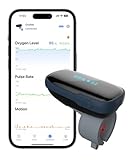
5. Vibeat Wearable Blood Oxygen Monitor Oxylink - Bluetooth Pulse Oximeter Finger with Audio Notification, Rechargeable O2 Sensor for Continuous Tracking with Free App
Overview:
The Vibeat Oxylink is a finger-ring pulse oximeter for continuous blood oxygen (SpO₂) and heart rate monitoring. Rechargeable and Bluetooth-enabled, it targets users needing extended tracking—like athletes or those managing respiratory conditions—via audio alerts and app integration.
What Makes It Stand Out:
Its ring design offers discreet, comfortable all-day wear unlike clinical clip-on oximeters. On-device storage (4 records) and automatic Bluetooth sync ensure data continuity during outages. Audio alerts for threshold breaches provide immediate feedback without smartphone dependency.
Value for Money:
Competitively priced against medical-grade oximeters, its portability and app features (PDF/CSV exports, Apple Health sync) add utility. Cheaper than hospital devices but less robust than WHOOP for holistic health, it excels as a dedicated SpO₂ tracker.
Strengths and Weaknesses:
Strengths: Comfortable ring form factor; reliable audio alerts; offline data storage; seamless app integration. Weaknesses: 8–12 hour battery limits continuous use; app alerts require unlocked phone; no advanced health metrics.
Bottom Line:
A specialized, user-friendly tool for SpO₂ tracking—ideal for altitude training or respiratory health checks—but insufficient as a standalone health wearable. Prioritize if oxygen monitoring is your primary need.
6. Garmin Index Sleep Monitor, Smart Sleep Band with Advanced Sleep Tracking and Recovery Metrics, L-XL
Overview:
The Garmin Index Sleep Monitor is a dedicated upper-arm wearable designed for precise sleep analysis. Available in L-XL sizing, it prioritizes comfort during overnight use with breathable materials and a lightweight design, syncing seamlessly with Garmin’s ecosystem for holistic health insights.
What Makes It Stand Out:
Its standout features include detailed recovery metrics like HRV status, sleep stages, and a comprehensive sleep score. The Pulse Ox-powered breathing variations tracking and advanced women’s health cycle predictions—using skin temperature data—offer nuanced physiological insights beyond basic sleep duration, though clearly labeled as non-medical.
Value for Money:
Priced mid-to-high for a single-focus device, it justifies cost through exceptional battery life (up to 7 nights) and clinical-grade accuracy in sleep staging. It outperforms general fitness bands in sleep-specific analytics but lacks daytime activity tracking, making it ideal for sleep-focused users rather than all-in-one health seekers.
Strengths and Weaknesses:
Strengths: Unobtrusive all-night wear, robust battery, granular recovery metrics, women’s health integration. Weaknesses: Limited to sleep/recovery (no daytime activity), Pulse Ox unavailable in some regions, requires Garmin Connect subscription for full insights, no display.
Bottom Line:
A premium, specialized tool for serious sleep optimizers. If you prioritize deep sleep analysis and recovery over multipurpose tracking, it’s worth the investment despite its niche focus and regional limitations.
7. Fitness Tracker with Heart Rate/Blood Oxygen/Sleep Monitor, 20+ Sports Modes Smart Watches for Women/Men, Activity & Step Tracker Smart Watch for Android/iOS Phones (Dark Black)

Overview:
This budget-friendly smartwatch delivers comprehensive health tracking for daily wellness. Featuring a vibrant 1.10" AMOLED screen and compatibility with iOS/Android, it targets active users seeking diverse metrics without premium pricing.
What Makes It Stand Out:
The 25+ sport modes, real-time blood oxygen/blood pressure monitoring (estimation), and extensive smart features—like remote photography and female health tracking—set it apart. The “Keep Health” app consolidates steps, calories, and sleep stages (deep/light/awake) into actionable insights.
Value for Money:
Exceptional for its price, rivaling costly brands with AMOLED clarity, stainless steel build, and robust functionality. While accuracy in blood pressure may lag behind medical devices, the breadth of features—from sedentary alerts to menstrual tracking—offers significant utility per dollar.
Strengths and Weaknesses:
Strengths: Bright display, versatile sports modes, rich app ecosystem, useful smart notifications. Weaknesses: Blood pressure data is indicative only, sleep staging less nuanced than dedicated sleep trackers, app integration may feel fragmented.
Bottom Line:
A compelling entry-level choice for holistic daily health tracking. Ideal for casual fitness enthusiasts wanting broad functionality at an accessible price, though not for clinical-grade health monitoring.
8. Babysense True Sleep HD Video Baby Monitor with Camera and Audio & Baby Sleep Breathing Movement Monitor, No Wifi, Non Wearable Non Contact Monitoring with 2 Under-Mattress Sensors, Full Crib Coverage

Overview:
This non-wearable baby monitor combines HD video with contactless movement detection. Featuring a pan-tilt-zoom camera, night light, and dual under-mattress sensors, it prioritizes security via a private, non-WiFi connection—ideal for privacy-conscious parents.
What Makes It Stand Out:
The dual sensor pads provide full-crib coverage without touching the baby, monitoring micro-movements through the mattress. Enhanced sensitivity, hack-free operation, and soothing features (lullabies, two-way audio) create a comprehensive, non-intrusive safety net.
Value for Money:
Justifies its premium cost with dual-layer protection (video + movement) and military-grade security. While pricier than basic audio monitors, the peace of mind from reliable, contactless monitoring and IR night vision makes it a worthwhile investment for high-risk scenarios.
Strengths and Weaknesses:
Strengths: Secure non-WiFi connection, full-crib sensor coverage, versatile soothing tools, crystal-clear HD night vision. Weaknesses: Requires precise sensor placement, limited range (non-WiFi), no mobile app access for remote checking.
Bottom Line:
A top-tier choice for safety-focused parents prioritizing offline security and contactless monitoring. Avoid if you need remote smartphone access, but unparalleled for in-home, hack-proof vigilance.
9. Babytone Baby Sleep Sock Monitor, Tracking Heart Rate and Movement for Infant, Wearable Foot Monitor Smart Sock with Bluetooth and APP, for 0-36 Months Newborn

Overview:
This wearable sock monitor tracks infant heart rate and movement via Bluetooth, syncing data to the ViHealth app. Designed for newborns to toddlers (0-36 months), it offers continuous monitoring with three size options for comfort.
What Makes It Stand Out:
The soft, non-irritating fabric sock design avoids chest straps, while built-in memory stores 4 sessions offline. PDF/CSV sleep reports and precise sizing (based on weight) enable detailed tracking and sharing with pediatricians, distinguishing it from basic audio monitors.
Value for Money:
Moderately priced for a wearable monitor, it excels in data accessibility and comfort. The offline storage and exportable reports add professional utility, though the need for frequent charging and app dependency may deter some users compared to simpler movement pads.
Strengths and Weaknesses:
Strengths: Comfortable wearable design, detailed sleep analytics, offline data storage, shareable health reports. Weaknesses: Requires charging, Bluetooth range limits mobility, not intended for medical use, sock may slip off active babies.
Bottom Line:
A thoughtful tool for parents seeking granular sleep data without invasive setups. Best for tech-savvy caregivers comfortable with app reliance, but not a substitute for medical-grade care.
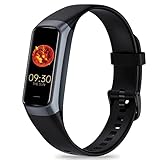
10. Zeacool Fitness Tracker with 24/7 Heart Rate, Blood Oxygen Blood Pressure Sleep Monitor, Activity Trackers 5 ATM Waterproof,Step Calorie Counter Pedometer Health Smart Watch for Women Men (Black)
Overview:
The Zeacool tracker merges rugged durability with 24/7 health monitoring. Its 5 ATM waterproofing and 1.10" AMOLED touchscreen cater to swimmers and athletes, while comprehensive metrics cover sleep, steps, and physiological vitals for daily wellness.
What Makes It Stand Out:
True 5 ATM waterproofing (swim/diving-ready) and real-time temperature tracking elevate it beyond competitors. The “Keep Health” app logs 25+ sports modes, and features like menstrual cycle reminders and weather display enhance its daily usability for active lifestyles.
Value for Money:
Offers exceptional versatility at a mid-range price. The waterproofing depth and AMOLED clarity surpass similarly priced models, though blood pressure accuracy remains estimative. Ideal for swimmers needing reliable all-day tracking without splurging on premium brands.
Strengths and Weaknesses:
Strengths: Superior waterproofing, bright touchscreen, extensive sport modes, practical smart reminders. Weaknesses: Blood pressure data lacks clinical precision, sleep analysis less detailed than dedicated sleep bands, app may have occasional sync issues.
Bottom Line:
A durable, feature-packed choice for water-focused fitness enthusiasts. Delivers excellent value for swimmers and casual athletes, but skip if you prioritize medical-grade health diagnostics.
Why Shift Workers Need Specialized Sleep Tracking Technology
The challenges of shift work create a unique sleep environment that standard consumer wearables often fail to address adequately. Generic algorithms trained primarily on “normal” sleep patterns can misinterpret fragmented sleep, unusual bedtimes, or naps taken in broad daylight. For someone whose “night” starts at 3 PM or ends at 7 AM, accuracy in timing and phase detection is non-negotiable. Misreading your core sleep period or REM cycles can lead to misleading data and poor decisions about rest strategies.
The Critical Role of Circadian Rhythm Mapping
Understanding your personal circadian timing is paramount. Shift work chronically disrupts this internal clock, leading to misalignment between your body’s expectations and your actual sleep-wake schedule. Effective wearables for this group must go beyond simple sleep staging; they need robust capabilities to track core body temperature rhythms and light exposure patterns—two of the strongest zeitgebers (time-givers) for your circadian system. Accurate mapping helps identify your true biological night, even when it falls during daylight hours, which is essential for timing melatonin production and optimizing sleep quality during unconventional hours.
Beyond Basic Sleep Staging: Accuracy for Fragmented Sleep
Shift workers often experience significantly more fragmented sleep than day workers. Naps might be essential, but they’re frequently interrupted. Standard sleep stage algorithms can struggle with these shorter, non-consolidated sleep bouts, misclassifying light sleep as wakefulness or vice versa. Look for devices employing advanced sensor fusion (combining movement, heart rate variability, and potentially other biometrics) and algorithms specifically validated for non-24-hour sleep patterns or known to handle micro-awakenings and irregular sleep architecture more reliably. Precision here directly impacts the usefulness of the data you receive.
The Non-Negotiable Need for All-Day Wear Comfort
For shift workers, tracking isn’t just about the sleep period—it’s about understanding the entire 24-hour cycle, including light exposure during wakefulness (critical for circadian resetting) and activity levels. This necessitates wearing the device consistently, 24/7. Comfort becomes a critical factor often overlooked. A bulky device or irritating strap will be abandoned after a few shifts. Prioritize lightweight, low-profile designs with hypoallergenic materials that feel unobtrusive during long shifts, physical labor, or while trying to sleep in a bright, noisy environment. Seamless all-day wear is foundational for comprehensive data.
Key Features to Prioritize for Shift Work Success
Selecting the right wearable requires laser focus on features that directly address the physiological and logistical hurdles of non-traditional schedules. Don’t get distracted by flashy extras; prioritize core functionalities that deliver actionable insights for your specific reality.
Advanced Light Exposure Monitoring Capabilities
Light is the master regulator of your circadian rhythm. For shift workers, strategic light management—maximizing bright light during your active phase (even if it’s night) and minimizing it before and during sleep—is a cornerstone of adaptation. A truly effective wearable must offer precise, continuous ambient light level tracking across the full spectrum, not just simple “bright/dark” detection. Look for sensors capable of measuring lux levels accurately and distinguishing between different light types (e.g., blue-enriched light from screens vs. warmer indoor lighting). This data is vital for understanding how your environment impacts your internal clock and for implementing effective light therapy protocols.
Core Body Temperature Trend Analysis
Subtle fluctuations in core body temperature provide one of the most reliable physiological markers of circadian phase. A dip in core temperature precedes sleep onset, and the timing of this dip shifts with your schedule. Wearables incorporating continuous, validated temperature sensing (often via the wrist, though accuracy compared to core methods varies) offer invaluable insights. Tracking your personal temperature rhythm over weeks helps identify your true biological night, assess how well you’re adapting to a new shift pattern, and pinpoint optimal times for sleep or strategic light exposure. Consistency in measurement (worn 24/7) is key for meaningful trends.
Intelligent Nap Detection and Analysis
Strategic napping is often a lifeline for shift workers, but not all naps are created equal. A wearable that can reliably detect and analyze naps—distinguishing them from regular nighttime sleep, estimating their depth (light vs. deep sleep), and assessing their restorative impact—is incredibly valuable. This feature should work seamlessly regardless of the time of day the nap occurs. Look for systems that don’t require manual start/stop for naps and can integrate nap data into your overall sleep debt and recovery picture, helping you optimize nap timing and duration for maximum benefit without causing sleep inertia.
Long Battery Life Tailored to Shift Patterns
Running out of battery mid-shift is a critical failure point. Standard 1-2 day battery life often doesn’t align with common shift work cycles (e.g., working 3 consecutive night shifts). Prioritize devices offering at least 4-5 days of battery life on a single charge, especially if they track continuously (including sleep stages and temperature). Wireless charging is a significant convenience, allowing for quick top-ups during short breaks. Consider how charging logistics fit into your specific work and sleep schedule – a device that dies before your crucial pre-sleep period is useless.
Interpreting Data in the Context of Shifting Schedules
Owning a sophisticated wearable is only half the battle; the real power lies in correctly interpreting the data within the unique framework of your ever-changing routine. Misinterpretation can lead to frustration or counterproductive actions.
Understanding Sleep Metrics Beyond the Numbers
Don’t fixate solely on total sleep time or “sleep score” percentages. For shift workers, sleep efficiency (time asleep vs. time in bed) and the consistency of sleep timing (even if it’s shifting) are often more telling indicators of adaptation success. Pay close attention to trends in deep sleep and REM sleep relative to your specific sleep window. A lower percentage of deep sleep might be expected during a nap compared to a full nighttime sleep, but a consistent decline over time on your primary sleep period could signal poor sleep hygiene or inadequate adaptation. Context is everything.
Identifying Patterns Across Shift Rotations
The true value emerges when you track data across multiple shift cycles. How does your sleep quality change during the first few nights of a new rotation versus the last? How does your core temperature rhythm shift? Does your sleep efficiency improve as your body adapts? Look for correlations between specific work conditions (e.g., back-to-back shifts, early morning finishes) and your sleep metrics. This longitudinal view helps you anticipate challenges, refine your pre-sleep routines for different shifts, and understand your personal adaptation timeline.
Recognizing When Data Signals a Need for Professional Help
While wearables provide powerful insights, they are not diagnostic tools. Be alert to persistent patterns that might indicate underlying issues requiring medical attention: consistently very low sleep efficiency (<80%) despite good sleep hygiene, extremely fragmented sleep with frequent long awakenings, or signs suggestive of sleep apnea (like frequent oxygen desaturation dips if the device measures SpO2). Chronic, severe sleep disruption significantly impacts health. Use your wearable data as concrete evidence to discuss concerns with a sleep specialist familiar with shift work disorders.
Practical Integration into the Shift Work Lifestyle
The best technology is useless if it doesn’t seamlessly integrate into the demanding, often chaotic reality of shift work. Consider the practicalities of daily use in your specific environment.
Durability and Resistance for Demanding Jobs
Many shift workers are in physically demanding or high-hygiene environments (healthcare, manufacturing, transportation). The wearable must withstand sweat, potential impacts, frequent handwashing, or even exposure to cleaning chemicals. Prioritize devices with high water resistance ratings (ATM 5+ or 50m+), robust scratch-resistant screens, and durable, easy-to-clean straps. A device that cracks after a week on the factory floor defeats the purpose.
Discreet Design for Workplace Acceptance
In some professions, wearing a visible smartwatch or fitness tracker might be against policy or simply impractical. Consider the profile of the device. Are smaller, more discreet options available that still offer the necessary sensors? Some advanced sleep trackers are designed specifically as minimal wristbands rather than full smartwatches, making them less obtrusive and more likely to be acceptable in various work settings without drawing unnecessary attention.
Data Privacy and Employer Access Concerns
Be acutely aware of data privacy. Understand exactly where your sensitive sleep and health data is stored, who owns it, and what the company’s privacy policy states. Crucially, never share raw sleep data directly with your employer unless you fully understand the implications and have explicit consent protocols. Employers generally should not have access to individual health metrics. Focus on using the insights personally to manage your well-being; avoid platforms that facilitate direct employer data sharing for performance monitoring, as this can lead to significant privacy and ethical issues.
Optimizing Your Environment Using Wearable Insights
The data from your wearable shouldn’t just sit in an app; it should actively inform how you structure your critical pre-sleep and sleep environment, especially when sleeping against the natural light cycle.
Leveraging Light Data for Strategic Darkness
Your ambient light data reveals how effectively you’re creating a sleep-conducive environment. If the tracker shows significant light exposure during your intended sleep period (even low levels from electronics or streetlights), it’s a red flag. Use this objective evidence to double down on blackout curtains, high-quality sleep masks, and eliminating all light sources in the bedroom. Conversely, if you’re struggling to stay awake during your shift, light data can confirm if you’re getting enough bright light exposure (aim for 10,000 lux equivalents) to promote alertness.
Correlating Temperature Data with Sleep Quality
Track how your bedroom temperature (if you have a separate sensor) or your perceived thermal comfort correlates with your sleep stages and restlessness periods shown in your wearable data. Many shift workers sleep during the hottest part of the day. If data consistently shows more awakenings or lighter sleep during warmer sleep periods, it validates the need for investment in better cooling solutions – fans, air conditioning, cooling mattress pads, or breathable bedding. Objective data makes the case for these investments much stronger.
Timing Wind-Down Routines Based on Biological Cues
Instead of rigidly following a set pre-sleep routine time, use your wearable’s insights into your current circadian state. If your core temperature trend shows your natural dip is delayed (common when trying to sleep post-shift), pushing your wind-down routine later might be more effective. Conversely, if light data shows you got excessive blue light exposure close to bedtime, prioritize longer periods of dim, warm light and screen avoidance before your target sleep time, even if it feels counterintuitive. Let your physiology guide the timing.
Setting Realistic Expectations and Long-Term Strategy
Adopting a sleep wearable is a tool for improvement, not a magic cure. Managing expectations is crucial for sustained use and genuine benefit, especially given the inherent challenges of shift work.
The Gradual Adaptation Curve
Understand that significant improvements in sleep quality and circadian adaptation take time and consistent effort. Don’t expect perfect sleep metrics after one week of using a new tracker, especially if you’re constantly rotating shifts. Focus on identifying one small, actionable change based on your data (e.g., adding 15 minutes of pre-sleep darkness, adjusting nap timing by 30 minutes) and track its impact over several cycles. Celebrate incremental progress; sustainable change is built step-by-step.
Avoiding Data Overwhelm and Anxiety
Constantly obsessing over nightly sleep scores can itself become a source of stress, ironically harming sleep (orthosomnia). Set specific times to review your data (e.g., Sunday morning for the past week), focusing on trends rather than single nights. Turn off notifications for sleep scores. Remember, the wearable provides clues, not judgments. If the data causes significant anxiety, take a break from reviewing it for a while and focus on implementing good sleep hygiene practices based on general knowledge.
Integrating with Broader Sleep Health Practices
A wearable is just one component. Its true power is realized when combined with established sleep medicine principles: strict sleep hygiene (consistent pre-sleep routine, optimal bedroom environment), strategic caffeine use, potential melatonin supplementation (consult a doctor), and managing stress. Use the data to refine these practices, not replace them. For instance, data might show your current wind-down routine isn’t sufficiently lowering your heart rate, prompting you to try a different relaxation technique.
Frequently Asked Questions
Frequently Asked Questions
Can a standard fitness tracker accurately track my sleep as a night shift worker? Most standard trackers use algorithms trained on typical night sleepers and often misread fragmented or daytime sleep common in shift work. Look for devices specifically mentioning validation for non-24-hour schedules or strong circadian tracking features like temperature trends for more reliable data.
How important is continuous core body temperature monitoring for shift workers? It’s highly valuable. Core temperature rhythm is a primary marker of your internal circadian clock. Tracking its timing helps you understand your true biological night, assess adaptation to shifts, and optimize light exposure and sleep timing, even when sleeping during daylight.
Will my employer be able to see my sleep data from the wearable? Reputable consumer wearables do not share your personal health data with employers without your explicit, informed consent. Always review the privacy policy, but assume your data is private. Never share raw sleep data with your employer; use insights only for personal management.
My sleep is so irregular; how can tracking help? Tracking reveals hidden patterns across your shift rotations. You might discover consistent dips in sleep quality during specific transition periods or see how small changes (like better blackout curtains) improve efficiency over time, providing actionable steps despite the irregularity.
Is battery life really that critical for shift work tracking? Absolutely. Devices needing daily charging often die before or during your crucial sleep period. Aim for wearables offering 4-5+ days of battery life to ensure continuous data capture through entire shift cycles without disruptive charging gaps.
Can these devices accurately track short naps I take between shifts? Advanced wearables with robust nap detection algorithms can reliably identify and analyze short naps, regardless of time of day. Look for features that auto-detect naps and provide insights into their restorative value without requiring manual activation.
How do I know if the light exposure data is accurate enough to guide my routine? Focus on trends and relative changes. While absolute lux measurements might have minor variances, consistent data showing high light exposure during intended sleep or very low exposure during active night shifts provides clear direction for implementing light management strategies.
Should I be worried about the device being uncomfortable during long shifts or sleep? Comfort is non-negotiable for 24/7 wear. Prioritize lightweight, low-profile designs with soft, breathable straps. Test potential devices if possible; discomfort will lead to inconsistent use, rendering the data useless. Hypoallergenic materials are essential for sensitive skin.
How long does it typically take to see improvements using this data? Significant circadian adaptation takes weeks to months, especially with rotating shifts. Focus on small, consistent changes based on weekly or bi-weekly trend analysis. Don’t expect overnight miracles; sustainable progress comes from using data to refine habits over time.
Can this data replace seeing a sleep specialist if I have major issues? No. Wearables provide valuable insights but are not diagnostic tools. If you experience persistent severe insomnia, excessive daytime sleepiness, or suspected sleep apnea (e.g., frequent loud snoring, gasping), use your wearable data as part of the discussion with a physician or sleep specialist for proper diagnosis and treatment.
See Also
- 10 Must-Have Wearable Sleep Monitors for Insomnia Relief in 2026
- 10 Must-Have Wearable Sleep Monitors for Deep Sleep Optimization in 2026
- 10 Must-Have Wearable Sleep Monitors for Better Sleep Hygiene in 2026
- How to Choose the 10 Best Sleep and Health Monitoring Wearables for Shift Workers in 2026
- 10 Must-Have Wearable Sleep Monitors for Accurate REM Tracking in 2026