Table of Contents
Monitoring your heart health from the comfort of home has evolved from a futuristic concept into a practical reality, transforming how millions manage cardiac conditions. No longer confined solely to hospital beds or clinical settings, sophisticated cardiac monitoring technology now empowers individuals to take proactive control of their cardiovascular well-being. In 2026, the landscape is richer and more nuanced than ever, offering unprecedented insights but also presenting a complex array of choices. Selecting the right device isn’t just about purchasing a gadget; it’s about finding a reliable partner in your ongoing health journey, one that seamlessly integrates into your daily life while delivering trustworthy data your healthcare team can act upon. The stakes are high – an ill-suited monitor can lead to unnecessary anxiety, missed critical events, or a false sense of security.
Gone are the days when home cardiac monitoring meant bulky, uncomfortable equipment reserved for only the most severe cases. Today’s solutions prioritize user-friendliness, discreet design, and intelligent data interpretation, making consistent monitoring not just feasible but genuinely manageable for diverse lifestyles. However, this abundance of options can be overwhelming. With features ranging from basic pulse tracking to advanced arrhythmia detection and AI-driven trend analysis, navigating the market requires clear understanding of your specific medical needs, technical comfort level, and lifestyle realities. Choosing wisely ensures the device becomes an empowering tool, not a source of frustration or confusion, ultimately supporting better communication with your doctor and potentially improving long-term outcomes. Let’s cut through the noise and focus on the essential factors that truly matter for your home cardiac monitoring success.
Top 10 Cardiac Monitoring Devices
Detailed Product Reviews
1. KardiaMobile 1-Lead EKG Monitor, Medical-Grade FDA-Cleared Personal Heart Monitor, Detects Normal, AFib & Arrhythmias, Unlimited Recordings, 30 Second Results, Works with most Smartphones, Pocket-size
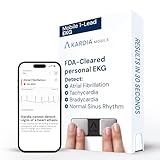
Overview: The KardiaMobile 1-Lead offers a compact, FDA-cleared solution for personal heart rhythm monitoring. It captures medical-grade single-lead EKGs in 30 seconds using a smartphone app, detecting AFib, bradycardia, tachycardia, and normal sinus rhythm without requiring Bluetooth or Wi-Fi during use.
What Makes It Stand Out: Its pocket-size design (under 1 oz), cardiologist endorsement, and ability to function without immediate connectivity stand out. As the #1 recommended personal EKG brand with over 350 million recordings, it provides immediate peace of mind through simplicity and portability for home, travel, or gym use.
Value for Money: Priced moderately, it’s FSA/HSA-eligible and justifies cost through FDA clearance and unlimited basic recordings. While the optional KardiaCare subscription adds value for advanced analysis, the core device delivers essential functionality without recurring fees, making it cost-effective for occasional users compared to clinical visits.
Strengths and Weaknesses: Strengths: Ultra-portable, no setup needed, instant results, HSA-eligible. Weaknesses: Limited to single-lead data (less comprehensive than medical EKGs), subscription required for detailed arrhythmia reports, smartphone dependency.
Bottom Line: An excellent entry-level tool for AFib screening and basic heart monitoring, ideal for proactive individuals seeking quick, reliable checks—though those needing detailed diagnostics should consider multi-lead options.
2. KardiaMobile 6L EKG Monitor, Medical-Grade, FDA-Cleared Heart Monitor, 6 Views of The Heart, Results in 30 Seconds, Unlimited Recordings, Works with Smartphones, HSA&FSA Eligible, Pocket-Size
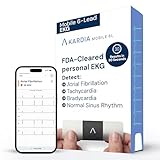
Overview: The KardiaMobile 6L elevates personal heart monitoring with a medical-grade 6-lead EKG, capturing six times more data than single-lead devices. FDA-cleared and compatible with smartphones via Bluetooth, it delivers comprehensive rhythm analysis in 30 seconds, detecting AFib, bradycardia, and other arrhythmias.
What Makes It Stand Out: Its six-lead capability provides clinically relevant detail rivaling traditional EKGs, making it ideal for seniors, caregivers, and fitness enthusiasts. The pocket-size portability, FSA/HSA eligibility, and cardiologist-backed credibility (350+ million recordings) differentiate it as a premium at-home diagnostic tool.
Value for Money: Higher-priced than single-lead models, it’s justified by superior diagnostic depth and HSA eligibility. The no-subscription-required core functionality offers immediate value, while KardiaCare (optional) adds specialist reviews. Competes favorably against clinical tests for frequent users needing detailed data.
Strengths and Weaknesses: Strengths: 6-lead accuracy, portable, no mandatory subscription, comprehensive arrhythmia detection. Weaknesses: Requires Bluetooth setup, leg/knee placement for leads can be awkward, premium cost.
Bottom Line: Highly recommended for users prioritizing clinical-grade detail in a personal device, especially those managing chronic conditions—worth the investment for actionable, multi-angle heart health insights.
3. KardiaMobile 1-Lead EKG Monitor, Medical-Grade FDA-Cleared Personal Heart Monitor, Detects Normal, AFib & Arrhythmias, Unlimited Recordings, 30 Second Results, Works with most Smartphones, Pocket-size
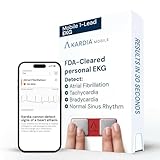
Overview: Identical to Product 1, this KardiaMobile 1-Lead monitor delivers FDA-cleared single-lead EKGs in 30 seconds via smartphone. It detects key arrhythmias like AFib and bradycardia, emphasizing simplicity and portability for on-the-go heart rhythm checks without subscriptions for basic use.
What Makes It Stand Out: Its unmatched ease of use—no cords, Bluetooth, or Wi-Fi during measurement—and sub-1-ounce weight make it the most accessible personal EKG. Trusted by cardiologists globally and HSA-eligible, it offers medical-grade reliability in a truly pocketable form, ideal for quick peace-of-mind checks.
Value for Money: A cost-efficient gateway to heart monitoring, avoiding subscription fees for core functionality. While limited to single-lead data, its FSA eligibility and elimination of routine clinic visits for basic screenings provide solid ROI for infrequent users.
Strengths and Weaknesses: Strengths: Zero setup friction, ultra-lightweight, instant results, HSA-eligible. Weaknesses: Less diagnostic depth than multi-lead devices, subscription needed for advanced insights, smartphone reliance.
Bottom Line: Perfect for beginners or occasional users needing rapid AFib detection; choose this over clinical visits for convenience, but upgrade to 6L for chronic condition management.
4. EMAY Portable ECG Monitor | Record ECG and Heart Rate | Compatible with Smartphone and PC

Overview: The EMAY 1-Lead ECG Monitor is an OTC device for home heart rate and Lead I ECG tracking. It connects via USB to PCs or Bluetooth to smartphones, storing recordings for review. Designed for basic self-monitoring, it explicitly states it’s not a replacement for hospital diagnostics.
What Makes It Stand Out: Dual connectivity (PC/phone) and built-in rechargeable battery offer flexibility. The included software enables case review and measurements, appealing to users wanting data history without subscriptions. Its simplicity suits budget-conscious buyers seeking entry-level tracking.
Value for Money: Priced lower than KardiaMobile, it delivers core functionality with no hidden costs. However, lacking FDA clearance and cardiologist endorsements, it’s best for casual use—value hinges on needing only basic trend tracking, not medical validation.
Strengths and Weaknesses: Strengths: No subscriptions, PC compatibility, rechargeable battery. Weaknesses: Not FDA-cleared, limited to OTC use (not diagnostic), no arrhythmia detection specificity, pacemaker incompatibility.
Bottom Line: A functional budget option for heart rate logging, but avoid if you require medical-grade accuracy or arrhythmia diagnostics—stick with FDA-cleared alternatives for health-critical monitoring.
5. EMAY 6L Portable ECG Monitor | Record ECG and Heart Rate in 6 Channels | Compatible with Smartphone and PC | No Subscription Required

Overview: EMAY’s 6L monitor records 6-channel ECG data for home use, connecting via Bluetooth (phone) or USB (PC). It emphasizes no subscriptions, offering heart rate tracking and ECG storage with basic software tools for review—positioned as an affordable multi-lead alternative.
What Makes It Stand Out: The 6-lead capability at a lower price point than KardiaMobile 6L, combined with zero subscription fees, is its key draw. Rechargeable battery and cross-platform compatibility (PC/mobile) cater to users wanting detailed data without recurring costs.
Value for Money: Exceptional for cost-focused buyers needing multi-lead data, as it avoids KardiaCare’s subscription model. However, lacking FDA clearance and clinical validation, it’s suitable only for trend observation—not diagnosis—making it ideal for fitness enthusiasts, not medical patients.
Strengths and Weaknesses: Strengths: True 6-lead recording, no subscriptions, PC compatibility, budget-friendly. Weaknesses: Not FDA-cleared, limited arrhythmia detection, OTC-only (non-diagnostic), pacemaker restrictions.
Bottom Line: A compelling value for non-medical 6-lead tracking, but prioritize FDA-cleared devices like KardiaMobile 6L if you require clinically actionable data for heart conditions.
6. KardiaMobile 6L Max EKG Monitor, FDA-Cleared Heart Monitor, Medical-Grade Results in 30 Seconds, Unlimited Recordings, Works with Smartphones and Tablets, Includes One-Year KardiaCare Subscription

Overview:
The KardiaMobile 6L Max is an FDA-cleared, medical-grade EKG monitor designed for at-home heart rhythm tracking. It captures six-lead readings in 30 seconds, detecting six common arrhythmias like AFib and PVCs, and integrates seamlessly with smartphones via the Kardia app.
What Makes It Stand Out:
Its six-lead technology delivers significantly more clinical detail than single-lead competitors, enabling detection of nuanced arrhythmias. The included one-year KardiaCare subscription adds exceptional value with quarterly cardiologist reviews (20+ arrhythmia detections) and automatic email sharing to healthcare providers—features typically reserved for premium subscriptions.
Value for Money:
Priced higher than basic monitors, it justifies cost through comprehensive diagnostics and the bundled KardiaCare membership (normally $99/year). For users needing clinical-grade data without recurring fees for the first year, it outperforms single-lead alternatives that lack multi-arrhythmia analysis or professional review options.
Strengths and Weaknesses:
Strengths: Unmatched six-lead accuracy; seamless doctor collaboration via auto-email; unlimited recordings; rapid 30-second results. Weaknesses: Requires KardiaCare activation (even with included subscription), creating initial friction; subscription renews at full price after year one.
Bottom Line:
Essential for cardiac patients needing detailed, shareable diagnostics. Despite minor setup hurdles, its clinical utility and included subscription make it a superior investment over basic monitors for serious heart health management.
7. Case for Kardiamobile EKG Monitor, Compatible with Kardia Mobile EKG Heart Monitor, Hard Travel Box for Alivecor Kardiamobile 6L & 6L Max, Pill Box and Carabiner Clip Included

Overview:
This protective EVA case is engineered exclusively for KardiaMobile 6L and 6L Max devices, offering rugged portability with included accessories. Its military-grade construction shields the monitor during travel while integrating practical health management tools.
What Makes It Stand Out:
The triple-threat design—waterproof/shockproof EVA shell, embedded pill organizer, and carabiner clip—sets it apart. Unlike generic cases, it features anti-splash zippers, shock-absorbing interior lining, and medical-grade pill storage, creating an all-in-one travel solution for cardiac patients.
Value for Money:
At a modest price point, it delivers exceptional utility by replacing multiple purchases (case, pill box, clip). Cheaper alternatives lack integrated health accessories or robust protection, making this a cost-efficient upgrade for frequent travelers managing heart conditions.
Strengths and Weaknesses:
Strengths: Comprehensive protection against drops/water; space-efficient pill compartment; carabiner enables hands-free carrying; premium stitching prevents zipper failure. Weaknesses: Slightly bulky for pocket carry; pill box lacks compartment labels.
Bottom Line:
A must-buy companion for KardiaMobile 6L/6L Max owners. The thoughtful integration of medical accessories and rugged durability justifies its price, ensuring your heart monitor stays protected and medication organized on the go.
8. Heart Monitor Case Compatible with AliveCor Kardia Mobile ECG/for KardiaMobile 6L for Apple and Android Device - CASE ONLY (Black)

Overview:
This minimalist black case provides essential protection for KardiaMobile 6L monitors. Designed as a “case only” solution, it focuses on portability and practicality with integrated storage for cables and medication.
What Makes It Stand Out:
Its ultra-slim 0.98-inch profile and mesh interior pocket distinguish it from bulkier competitors. The velcro-secured anti-shock baffle ensures device stability during movement, while the pill organizer slot doubles as cable storage—ideal for quick EKG checks during exercise or travel.
Value for Money:
Priced accessibly, it offers better value than brand-name cases through versatile functionality. Generic sleeves often lack pill compartments or secure fastening, but this delivers multi-use organization at nearly half the cost of premium alternatives.
Strengths and Weaknesses:
Strengths: Exceptionally lightweight for pocket carry; soft nylon lining prevents sensor scratches; elastic retention keeps monitor secure; dual-purpose pill/mesh pocket. Weaknesses: Limited water resistance; carabiner sold separately (unlike Product 7).
Bottom Line:
A streamlined, budget-friendly option for users prioritizing portability over ruggedness. While not ideal for extreme conditions, its smart interior design makes it perfect for daily use and symptom-triggered EKG checks.
9. Case for KardiaMobile 1L 6L Personal EKG Monitor, Hard Travel Carrying Case for AliveCor Kardia Heart Monitor EKG/ECG, Portable Heart Rate Monitor Bag Storage Organizer with Pill Box & Carabiner Clip

Overview:
This versatile case supports both KardiaMobile 1L and 6L monitors, combining hard-shell protection with health-focused accessories. It targets cardiac patients needing reliable travel storage for their EKG device and medication.
What Makes It Stand Out:
Universal compatibility (1L/6L models) and moisture-proof pill organizer elevate it above niche cases. The D-ring carabiner clips securely to bags, while the shockproof EVA shell withstands travel impacts—unlike flimsier pouches that compromise device safety.
Value for Money:
Its cross-model utility justifies the price by eliminating the need for separate cases if upgrading monitors. Competitors like Product 7 only fit 6L models, making this a smarter long-term investment for users with older 1L devices or uncertain future needs.
Strengths and Weaknesses:
Strengths: Adaptable to two KardiaMobile generations; pill box is compact yet moisture-resistant; carabiner strength tested for daily wear; spacious interior fits sensor cables. Weaknesses: Slightly larger than 6L-only cases; no explicit waterproof rating.
Bottom Line:
Highly recommended for KardiaMobile 1L owners or multi-device households. The future-proof design and included health accessories deliver outstanding utility, though 6L-only users might prefer slimmer alternatives.
10. KardiaMobile Card Credit-Card Sized EKG, Medical-Grade & FDA-Cleared Personal Heart Monitor, Carry in Wallet, Bluetooth-Enabled for On-The-Go Check-Ups Anywhere, Compatible with Most Smartphones

Overview:
This wallet-sized EKG monitor delivers medical-grade heart rhythm analysis in a credit-card form factor. It connects via Bluetooth to smartphones, enabling instant EKG checks anywhere without subscriptions for core functionality.
What Makes It Stand Out:
Its unparalleled portability—sliding into any wallet—and 2,000-reading battery life make it unique. Unlike bulkier monitors, it requires no setup beyond the app, detecting four key arrhythmias instantly while remaining FSA/HSA-eligible without mandatory subscriptions.
Value for Money:
Priced competitively with single-lead monitors, it offers superior convenience and longevity. Alternatives often charge subscription fees for basic features, but this provides essential AFib/bradycardia detection out-of-box, saving long-term costs for symptom-spotting users.
Strengths and Weaknesses:
Strengths: Unbeatable wallet-friendly design; zero subscription requirement for core use; cardiologist-trusted accuracy; 10-second auto-shutdown preserves battery. Weaknesses: Limited to four arrhythmia detections (vs. 6L’s six); no physical storage case included.
Bottom Line:
The ultimate travel companion for occasional users. While less clinical than the 6L Max, its seamless integration into daily life and no-fee diagnostics make it ideal for proactive heart health monitoring on a budget.
Understanding Your Specific Monitoring Needs
Before diving into technical specifications, the most crucial step is a deep dive into your personal health requirements and circumstances. This foundational understanding prevents you from being swayed by unnecessary features or, conversely, overlooking critical capabilities your condition demands. Clarity here streamlines the entire selection process and ensures the device serves its intended purpose effectively.
Defining Your Medical Indications
Your specific cardiac condition or risk factors fundamentally dictate the type of monitoring required. Are you managing known arrhythmias like atrial fibrillation, recovering from a recent cardiac event, experiencing unexplained palpitations, or focused on general heart health maintenance? The frequency and type of data needed – continuous streaming versus spot checks, single-lead ECG versus multi-parameter tracking – vary dramatically based on these medical indications. Consult your cardiologist to precisely define what parameters need monitoring and for how long.
Frequency and Duration Requirements
Consider how often and for how long you need data capture. Is intermittent monitoring sufficient for occasional symptom correlation, or is continuous, long-term tracking essential for detecting infrequent but dangerous events? Some conditions require weeks or months of data to identify patterns, while others might only need periodic checks. Understanding this duration and frequency requirement is paramount, as it directly impacts the device type (e.g., patch monitor vs. wearable band) and battery life considerations.
Symptom Correlation Capabilities
A key function for many users is the ability to easily link recorded data with specific symptoms like dizziness, chest discomfort, or palpitations. How intuitive is the process to trigger a recording or flag a specific moment when you feel unwell? Look for devices with simple, immediate activation methods (like a dedicated button or voice command) that work reliably even if you’re feeling unsteady, ensuring the crucial data captured aligns with your actual experience.
Evaluating Core Technical Features and Accuracy
The heart of any cardiac monitor lies in its ability to capture physiologically accurate data. In 2026, accuracy standards have tightened, but variations still exist between technologies and manufacturers. Scrutinizing the technical foundation is non-negotiable for meaningful health insights.
Sensor Technology and Signal Quality
Examine the underlying sensor technology. Electrodes (dry, wet, textile-based), optical sensors (PPG), or a combination? Each has pros and cons regarding signal fidelity, skin contact requirements, motion tolerance, and comfort for extended wear. High-quality signal acquisition is the bedrock of reliable data; poor signal leads to artifacts and misinterpretations. Look for technologies emphasizing motion artifact reduction, especially if you have an active lifestyle.
Validation and Regulatory Compliance
Never assume accuracy claims. Verify that the device has undergone rigorous clinical validation against gold-standard methods (like in-clinic ECG) for the specific arrhythmias or parameters it claims to detect. In 2026, regulatory standards (like FDA clearance/approval in the US or CE marking in Europe) are stricter, but ensure the clearance specifically covers the intended use for home monitoring. Check the regulatory body’s database for the device’s status and scope of approval.
Detection Algorithms and Specificity
The software interpreting the raw signal is equally critical. Advanced AI-driven algorithms can detect subtle patterns, but they must balance sensitivity (catching real events) with specificity (avoiding false positives). High false alarm rates cause significant patient anxiety and burden healthcare systems. Research how the device handles common pitfalls like motion artifacts or muscle tremors, and inquire about its positive predictive value for the conditions relevant to you.
Prioritizing User Experience and Practical Integration
A technically brilliant device is useless if it’s cumbersome, uncomfortable, or disrupts your daily routine. Seamless integration into your life is key to consistent, long-term use – the ultimate goal for effective monitoring.
Comfort and Wearability for Long-Term Use
Consider where and how the device is worn. Is it a patch adhered to the chest, a wrist-worn band, a finger sensor, or a standalone unit? Assess comfort for sleeping, exercising, showering (if water-resistant), and daily activities. Skin irritation from adhesives or electrodes is a common reason for discontinuation. Try to evaluate materials and ergonomics; a device you forget you’re wearing is far more likely to be used consistently.
Intuitive Interface and Ease of Operation
The user interface – whether on the device itself, a companion smartphone app, or a web portal – must be straightforward, especially for older adults or those less tech-savvy. Can you easily start/stop recordings, view basic real-time data (like heart rate), understand alerts, and sync information? Complex menus or confusing symbols lead to user errors and frustration. Prioritize clear visuals, large fonts, simple navigation, and minimal steps for essential functions.
Battery Life and Charging Convenience
Battery performance is crucial, especially for continuous monitors. How long does a single charge last during active monitoring? How easy is it to recharge (wireless charging, quick-charge capability)? For patch monitors, is the battery life sufficient for the prescribed wear duration without needing replacement? Frequent charging interruptions disrupt monitoring continuity and user compliance. Aim for battery life that comfortably exceeds your typical monitoring period.
Managing Data Flow and Healthcare Integration
The true value of home monitoring emerges when the collected data effectively informs your clinical care. A device that silos information is far less valuable than one that facilitates smooth communication with your healthcare team.
Data Transmission Methods and Reliability
How does data get from the device to where it’s needed? Options include Bluetooth to a smartphone app, cellular connectivity (built-in eSIM), Wi-Fi upload, or manual transfer via USB. Consider your home connectivity (stable Wi-Fi vs. cellular dead zones) and smartphone dependency. Cellular-enabled devices offer the most reliable, hands-off transmission but may have associated service fees. Bluetooth relies on your phone being nearby and charged – assess what fits your reality best.
Companion App Functionality and Data Presentation
The companion app is often your primary window into your heart data. Evaluate its usefulness: Does it present data clearly (trends, graphs, event summaries)? Can you easily add notes about symptoms or activities? Is historical data accessible and exportable? Does it provide basic, non-diagnostic feedback (like resting heart rate trends) in a way you can understand? A well-designed app turns raw data into actionable insights and simplifies sharing with your doctor.
Clinician Portal Access and Reporting
Crucially, how does the data reach your healthcare provider? The best systems integrate with a clinician portal that your doctor’s office uses, allowing them to view your data remotely within their workflow. Ask your provider what systems they accept. Seamless integration means faster review, more informed consultations, and potentially timely interventions. Avoid devices that only give you raw data files you have to manually email or print.
Considering Safety, Support, and Long-Term Value
Beyond the initial purchase, factors like ongoing support, safety protocols, and total cost of ownership significantly impact your experience and the device’s effectiveness over time.
Emergency Alert Systems and Response Protocols
For users at higher risk, does the device offer integrated emergency alert features? This could mean automatic fall detection with heart rate correlation, or the ability to manually trigger an alert that notifies emergency contacts or a response center. Understand exactly how these systems work, any subscription costs involved, and the protocols followed. Ensure it aligns with your emergency preparedness plan and provides genuine peace of mind, not just a false sense of security.
Customer Support and Technical Assistance
Reliable customer support is essential when issues arise – which they inevitably will with electronic devices. Investigate the manufacturer’s support channels: 24/7 phone support, live chat, detailed online resources, video tutorials? What’s the typical response time? Are support staff trained specifically on the medical device aspects, not just general tech help? Strong support minimizes downtime and frustration when you need your monitor functioning.
Software Updates and Long-Term Viability
Medical device software evolves. Does the manufacturer commit to regular firmware and app updates to improve accuracy, add features, or address security vulnerabilities? Check their track record. Also, consider the company’s longevity and commitment to the healthcare market; choosing a device from a stable company reduces the risk of being left with obsolete technology and unsupported software down the line.
Total Cost of Ownership Analysis
Look beyond the upfront purchase price. Factor in potential costs like required smartphone/tablet, cellular data plans for standalone devices, subscription fees for data services or advanced analytics, replacement sensors or patches, and potential costs not covered by insurance. Calculate the realistic total cost over the expected lifespan of the device (usually 2-3 years) to make an informed financial decision. Don’t let hidden recurring fees turn an affordable device into an expensive burden.
Insurance Coverage and Reimbursement Pathways
Coverage for home cardiac monitors varies widely by insurance plan (Medicare, Medicaid, private insurers) and depends heavily on your specific diagnosis and medical necessity documentation from your doctor. Initiate this conversation early with both your healthcare provider’s billing department and your insurance company. Understand pre-authorization requirements, covered device types, and your potential out-of-pocket costs (deductibles, co-pays, co-insurance). Never assume a device is covered.
Future-Proofing Your Choice in 2026
The field of digital health moves rapidly. While focusing on current needs, considering how the device might adapt or integrate with emerging trends can extend its useful life and relevance.
Interoperability with Broader Health Ecosystems
How well does the device play with others? In 2026, seamless data sharing between different health apps and platforms (like Apple Health, Google Fit, or specific electronic health record systems) is increasingly important. Look for devices supporting open standards like FHIR (Fast Healthcare Interoperability Resources). This allows your cardiac data to be viewed alongside other health metrics (activity, sleep, blood pressure), giving you and your doctor a more holistic health picture.
Potential for AI-Driven Insights and Predictive Analytics
Artificial intelligence is moving beyond simple detection towards providing deeper insights. While avoiding overhyped claims, inquire if the platform offers (now or planned) features like personalized trend analysis, identifying potential early warning signs based on your unique baseline, or correlating heart data with other tracked factors like sleep quality or activity levels. Focus on clinically validated insights, not just speculative features.
Adaptability to Evolving Clinical Guidelines
Cardiac monitoring guidelines and best practices evolve. Choose a device and service platform from a company actively engaged with the medical community and committed to updating their technology and reporting to align with new clinical standards. This ensures the data you collect remains relevant and actionable for your healthcare team as medical knowledge advances.
Frequently Asked Questions
Frequently Asked Questions
How accurate are home cardiac monitors compared to hospital equipment? While home devices have improved dramatically, hospital-grade monitors (like Holter monitors) remain the gold standard for comprehensive, high-fidelity recording. Modern approved home devices, especially single-lead or multi-lead ECG wearables, offer clinically useful accuracy for detecting specific arrhythmias like AFib when used correctly. They are diagnostic tools for screening and trending, not replacements for in-depth clinical diagnostics, but provide invaluable data between appointments.
Can a home monitor detect a heart attack? Most dedicated home cardiac monitors focus on rhythm abnormalities (arrhythmias) like atrial fibrillation. They are generally not designed to detect the acute changes indicative of a heart attack (myocardial infarction), which typically requires a 12-lead ECG and blood tests. If you experience classic heart attack symptoms (crushing chest pain, pain radiating to arm/jaw, shortness of breath, nausea), call emergency services immediately – do not rely solely on a home monitor.
How often should I use my home cardiac monitor? Usage frequency is entirely dependent on your specific medical condition and your doctor’s instructions. It could range from taking daily spot checks (e.g., with a fingertip sensor), wearing a continuous patch for 14-30 days, using a wearable band for periodic ECG recordings when symptomatic, or long-term continuous monitoring for high-risk patients. Always follow the protocol prescribed by your healthcare provider.
Will my insurance cover the cost of a home cardiac monitor? Coverage varies significantly. Medicare, Medicaid, and private insurers often cover specific types of monitors (like event monitors or mobile cardiac telemetry) for patients with diagnosed conditions meeting strict medical necessity criteria, usually requiring prior authorization from your doctor. Coverage for consumer-grade wearables (like smartwatches with ECG) is rare. Always check with your insurer and doctor’s office before purchasing.
Do I need a prescription to buy a home cardiac monitor? It depends on the device’s regulatory classification. Prescription-only devices (often those cleared for diagnostic use or continuous long-term monitoring) legally require a doctor’s order. Many over-the-counter (OTC) devices, particularly those marketed for general wellness or basic heart rate tracking, do not require a prescription. However, for medical monitoring purposes, a prescription is usually necessary for insurance coverage and to ensure the device is appropriate for your condition.
How do I know if the readings from my monitor are reliable? Reliability hinges on proper usage. Ensure good skin contact (clean, dry skin for electrodes), minimize movement during recordings, follow the device’s instructions precisely, and keep the device charged and updated. If readings seem inconsistent or alarming (e.g., extremely high/low heart rates with no symptoms), consult your doctor before assuming it’s accurate. Your doctor can help interpret the data in context and check for artifacts.
Can home cardiac monitors replace regular visits to my cardiologist? Absolutely not. Home monitors are powerful tools for supplementing clinical care by providing data between appointments. They do not replace the comprehensive evaluation, physical examination, and expert interpretation a cardiologist provides during in-person visits. The data from your home monitor should be shared with your doctor to inform and enhance, not eliminate, your regular clinical care.
What happens if my monitor detects an abnormality? Most devices will alert you (via the app or device vibration/light). The critical next step is to follow the specific action plan provided by your healthcare team. This might involve taking a medication, resting, recording additional data, or – in the case of severe symptoms or critical alerts – seeking immediate medical attention. Never ignore an alert, but also avoid panic; discuss the protocol with your doctor beforehand.
How long do the batteries last on home cardiac monitors? Battery life varies widely by device type. Continuous patch monitors often last 7-30 days on a single battery. Wrist-worn ECG devices might last 24-72 hours per charge. Devices relying on Bluetooth to a smartphone use the phone’s battery primarily. Cellular-enabled standalone units may last several days. Always check the manufacturer’s specifications for the specific model under typical monitoring conditions.
Is my cardiac data secure and private? Reputable medical devices are subject to stringent data privacy and security regulations (like HIPAA in the US). Data should be encrypted both on the device and during transmission. Review the manufacturer’s privacy policy carefully. Understand who has access to your data (you, your doctors, the company for anonymized analytics) and how it’s stored. Prioritize devices from companies with transparent and robust security practices.
See Also
- The 10 Ultimate Best Cardiac Monitoring Devices for Home Use in 2026
- 10 Best Value Cardiac Monitoring Devices for Remote Patient Care in 2026
- 10 Essential Cardiac Monitoring Devices Every Hypertension Patient Needs in 2026
- The 10 Ultimate Best Cardiac Monitoring Devices for Post-Surgery Recovery in 2026
- How to Choose the 10 Best Blood Pressure Monitoring Bands for 24/7 Tracking in 2026