Table of Contents
Sleep apnea affects millions of people worldwide, yet the vast majority remain undiagnosed, leaving their cardiovascular health, cognitive function, and daily energy levels compromised. As we move through 2026, the intersection of wearable technology and health monitoring has reached an unprecedented level of sophistication, placing powerful diagnostic tools directly on your wrist or finger. Sleep tracking wearables equipped with SpO2 sensors have evolved from simple fitness gadgets into comprehensive health monitoring systems that can detect oxygen desaturation events throughout the night, offering valuable insights that were once only available through clinical sleep studies.
Understanding how to navigate this complex marketplace requires more than just comparing specifications—it demands a nuanced approach to evaluating accuracy, clinical validation, data privacy, and real-world usability. Whether you’re proactively monitoring your health, have been advised by a physician to track your oxygen levels, or suspect you might be experiencing sleep-disordered breathing, selecting the right wearable device can feel overwhelming. This comprehensive guide will walk you through every critical consideration for 2026, empowering you to make an informed decision that aligns with your health goals, lifestyle, and budget—without getting lost in marketing hype or technical jargon.
Top 10 Sleep Tracking Wearables with SpO2 Sensor
Detailed Product Reviews
1. Wellue O2Ring Pulse Oximter, Bluetooth SPO2 Blood Oxygen Saturation Monitor - Wearable O2 Ring Sensor with Vibration Reminder, Free APP & PC Report, Rechargeable

Overview: The Wellue O2Ring is a compact, finger-worn pulse oximeter designed for continuous SpO2 and heart rate monitoring. Weighing in as one of the lightest options available, it automatically activates when worn and provides seamless Bluetooth connectivity to a free companion app.
What Makes It Stand Out: Its vibration reminder system discreetly alerts users when oxygen saturation or heart rate deviates from preset thresholds—ideal for sleep apnea tracking without disturbing partners. The device marks unusual data points directly in reports, making pattern recognition effortless. With unlimited cloud storage via the app and detailed PDF/CSV export capabilities, healthcare providers can easily access comprehensive trend analysis.
Value for Money: Priced competitively against clinical-grade overnight oximetry, this rechargeable unit eliminates recurring battery costs. The inclusion of free PC software and unlimited report sharing adds significant value, especially for users requiring longitudinal health tracking without subscription fees.
Strengths and Weaknesses: Strengths include exceptional comfort for overnight wear, intelligent data marking that highlights concerning events, and robust reporting features. The 16-hour battery covers most sleep periods, though heavy users may need nightly charging. Weaknesses involve limited on-device storage (4 groups of 10 hours) and potential sizing issues for very large or small fingers.
Bottom Line: Perfect for sleep quality enthusiasts and those monitoring respiratory conditions, the O2Ring delivers professional-grade insights in a consumer-friendly package. Its smart alerts and comprehensive reporting make it a worthwhile investment for proactive health management.
2. Wellue Wrist Pulse Oximeter with Audio Reminder| Bluetooth Blood Oxygen Monitor Rechargeable for Continuous SPO2 Tracking with 72 Hours Battery Life, Free APP & PC Reports, Style 2

Overview: This wrist-mounted pulse oximeter combines extended battery performance with dual alert mechanisms for comprehensive oxygen saturation monitoring. The patented silicone ring sensor connects to a wrist unit, offering a unique alternative to traditional finger-worn devices.
What Makes It Stand Out: The 72-hour battery life dramatically reduces charging frequency, making it ideal for multi-day tracking. Unlike competitors, it provides both vibration and audible reminders with adjustable intensity levels—critical for users who need fail-safe alerts. The patented ring sensor design prevents finger numbness during prolonged wear.
Value for Money: While priced slightly higher than basic models, the exceptional battery life and dual-alert system justify the premium. Eliminating disposable batteries saves long-term costs, and the free ViHealth app with PC software provides professional-grade analytics without subscription fees.
Strengths and Weaknesses: Strengths include industry-leading battery endurance, customizable alert modalities, and comfortable sensor design that stays secure. The wrist unit stores four 10-hour recordings independently, ensuring data integrity. Weaknesses include potential audio disruption during sleep and a bulkier profile compared to ring-only designs. The wristband may feel cumbersome for some users.
Bottom Line: Best suited for users requiring extended, uninterrupted monitoring beyond single nights. The combination of audio-visual alerts and marathon battery life makes it invaluable for chronic condition management and detailed activity studies.
3. Wellue O2Ring-S Oxygen Monitor with Vibration Reminder, Bluetooth Pulse Oximeter Tracks SPO2 and Pulse Rate, 24 hrs Battery Life, 4*10 Hours Built-in Memory, Rechargeable Pulse Ox with Free PC & APP
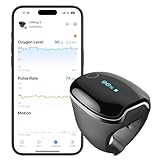
Overview: The upgraded O2Ring-S enhances the original design with extended battery life and improved data fidelity. This finger-worn device samples at 200Hz, capturing subtle physiological variations often missed by standard consumer oximeters.
What Makes It Stand Out: The 24-hour battery eliminates daily charging rituals, enabling true round-the-clock tracking. Its upgraded chip generates 36,000 data points per report, providing clinical-grade granularity for discerning users. Real-time readings display directly on the device, offering immediate feedback without app dependency.
Value for Money: Positioned as a mid-tier option, the O2Ring-S delivers premium features—high-frequency sampling and extended battery—at a moderate price increase over the base model. For users serious about data precision, the enhanced resolution justifies the cost.
Strengths and Weaknesses: Strengths include superior sampling frequency, full-day battery life, and automatic app synchronization. The vibration reminder system effectively marks events without sleep disruption. Weaknesses involve slightly increased bulk from the larger battery and reliance on the ViHealth ecosystem for full data interpretation. The 4-group memory limit remains unchanged from earlier models.
Bottom Line: An excellent choice for data-driven users seeking deeper physiological insights. The O2Ring-S balances advanced capabilities with wearable comfort, making it ideal for athletes, pilots, and patients requiring high-resolution trend analysis.
4. Wellue Wrist Pulse Oximeter| 100-Hour Endurance Blood Oxygen Monitor with Audible Reminder, Rechargeble Checkme O2 Ultra for Tracking SpO2 and Pulse Rate, Comes with Free PC Software & APP
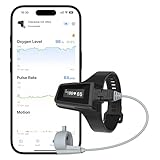
Overview: The Checkme O2 Ultra represents the pinnacle of endurance-focused oximetry, offering an unprecedented 100-hour operational capacity. This wrist-based system targets users demanding maximum autonomy between charges.
What Makes It Stand Out: Its magnetic charging system ensures effortless power replenishment, while the ability to adjust alert thresholds directly on the device provides unmatched independence from smartphones. The 12-hour per-group storage capacity exceeds competitors, capturing more extended monitoring sessions.
Value for Money: Though commanding a premium price, the 100-hour battery life translates to weeks of typical nightly use per charge. For frequent travelers or those with limited charging access, this endurance eliminates anxiety about mid-study power loss, delivering exceptional long-term value.
Strengths and Weaknesses: Strengths include market-leading battery performance, intuitive on-device controls, and robust Bluetooth synchronization. The audible reminder offers an additional safety layer for critical threshold breaches. Weaknesses involve the highest price point in the lineup and a wrist-worn design that may interfere with certain sleep positions. The larger form factor prioritizes function over discreet aesthetics.
Bottom Line: Designed for dedicated monitoring enthusiasts and clinical researchers requiring absolute reliability. If battery anxiety has compromised your tracking consistency, the Checkme O2 Ultra’s marathon endurance justifies its premium investment.
5. Sleep O2Ring Recording Pulse Oximeter Continuous Blood Oxygen Saturation & Pulse Rate Overnight, Bluetooth Wearable Sleep Tracking Ring, Export Sleep Report & Raw Data
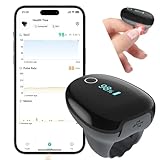
Overview: Engineered specifically for nocturnal monitoring, this 13-gram ring oximeter prioritizes sleep comfort above all else. It records SpO2 and heart rate every four seconds, generating granular sleep reports that rival laboratory polysomnography.
What Makes It Stand Out: At just 13 grams, it’s the lightest device in Wellue’s portfolio, ensuring zero sleep disturbance. The stand-alone recording capability allows users to capture data without phone proximity, syncing conveniently each morning. Second-by-second data review reveals micro-events often aggregated away in other devices.
Value for Money: As a specialized sleep tool, it offers focused features at a competitive price point. While battery life is limited to 12 hours, this covers typical sleep periods. The ability to export raw data appeals to biohackers and researchers seeking custom analysis beyond standard reports.
Strengths and Weaknesses: Strengths include featherlight construction, ultra-detailed 4-second sampling, and dedicated sleep reporting. The device’s single-purpose design ensures simplicity. Weaknesses involve the shortest battery life in the comparison, limitation to sleep/wellness use (not medical), and lack of real-time alerts during recording.
Bottom Line: The ultimate tool for pure sleep analysis. If your primary goal is understanding nocturnal oxygen patterns without compromise to sleep quality, this specialized ring delivers unparalleled comfort and detail. Casual users may prefer more versatile alternatives.
6. lumthou Smart Ring - Free SpO2 Sleep Tracker | No Subscription | IP68 Waterproof Fitness Tracker | 24/7 Activity Monitor | Step Counter & Tracking | Sleep & Workout Accessory Black 11

Overview:
The lumthou Smart Ring delivers comprehensive health tracking in a discreet, finger-worn form factor without the burden of subscriptions. This black ceramic ring monitors seven key health metrics including heart rate, SpO2, HRV, stress, and skin temperature while tracking activity across 12 professional sports modes. With IP67 water resistance and a five-day battery life extendable to 25 days via the charging case, it’s designed for continuous wear.
What Makes It Stand Out:
The zero-subscription model is the headline feature—every core health function remains free for life, unlike competitors that gatekeep data behind paywalls. The automatic 30-minute health checks create a detailed wellness timeline without manual intervention. Gesture controls for photo capture and music playback add smart convenience, while the stainless steel and epoxy resin construction prioritizes comfort for 24/7 wear.
Value for Money:
At a fraction of the Oura Ring’s cost with no monthly fees, this represents exceptional long-term value. You’re getting premium features—sleep stage analysis, sports auto-detection, and continuous health monitoring—without recurring costs. The four additional charges via the case eliminate battery anxiety during travel.
Strengths and Weaknesses:
Strengths include the subscription-free model, comprehensive metric tracking, comfortable design, and impressive battery system. Weaknesses involve the IP67 rating (advertised as IP68 in the title), requiring manual Bluetooth reconnection when disconnected, and potential accuracy variations typical of optical sensors at this price point.
Bottom Line:
For budget-conscious buyers wanting Oura-like functionality without ongoing costs, the lumthou Smart Ring is a compelling choice. Accept the minor connectivity quirks and you’ll have a capable 24/7 health companion.
7. Smart Ring - Free Heart Rate SpO2 Sleep Tracker | No Subscription | IP68 Waterproof Fitness Tracker | 24/7 Activity Monitor | Step Counter & Stress Tracking | Sleep & Workout Accessory silver11

Overview:
This silver variant of the subscription-free smart ring offers identical health tracking capabilities to its black counterpart, delivering seven key health metrics through a stylish metallic finish. The ring continuously monitors heart rate, SpO2, HRV, stress levels, and skin temperature while tracking activity across 12 professional sports modes. Built with stainless steel and epoxy resin, it provides the same five-day battery life extendable to 25 days via the charging case and IP67 water resistance.
What Makes It Stand Out:
Beyond the color option, the standout feature remains the lifetime free access to all core health functions—no subscription required. The ring’s ability to store data offline and auto-sync when Bluetooth reconnects ensures seamless tracking even during connectivity drops. Gesture controls for remote photography and music management add practical convenience to its health-focused toolkit.
Value for Money:
Sharing the same aggressive pricing strategy as the black model, this ring undercuts premium competitors like Oura while eliminating monthly fees entirely. The comprehensive feature set—advanced sleep coaching with REM analysis, continuous health monitoring, and sports auto-detection—delivers remarkable value for a one-time purchase.
Strengths and Weaknesses:
Strengths mirror the black version: zero subscription costs, robust health metrics, comfortable all-day wear, and excellent battery flexibility. Weaknesses include the IP67/IP68 rating confusion, manual reconnection requirements after Bluetooth drops, and potential accuracy limitations inherent to budget optical sensors.
Bottom Line:
Choose this silver version if you prefer a brighter aesthetic while gaining identical functionality. It’s an excellent value proposition for users prioritizing continuous health tracking without subscription fatigue.
8. EnergyPort Smart Bracelet with Blood Oxygen/Blood Pressure Monitor, 60-Day Battery Health Fitness Tracker with 2 Bands,Lifetime Membership,Activity Tracking Heart Rate Sleep Monitor for Android iOS

Overview:
The EnergyPort Smart Bracelet redefines battery longevity in fitness trackers, offering an extraordinary 45-60 day standby time with 20-30 days of regular use. This lightweight 25g device features 170+ workout modes, blood pressure monitoring, and continuous SpO2/heart rate tracking. The patented dual-strap system includes sweat-proof nylon and hypoallergenic silicone bands for versatile comfort, while 1ATM waterproofing handles daily activities.
What Makes It Stand Out:
The marathon battery life is unprecedented—three times industry standard—eliminating charging anxiety entirely. The 170+ sports modes with GPS route syncing cater to everyone from casual walkers to elite athletes. Real-time blood pressure monitoring adds a unique health dimension, while the AI-driven menstrual cycle prediction and stress scanning provide personalized wellness insights.
Value for Money:
While priced higher than basic trackers, the lifetime membership and medical-grade feature set justify the premium. Compare favorably to Fitbit’s subscription model; you’re getting continuous BP monitoring and exceptional battery life without recurring fees. The dual-band system adds tangible versatility.
Strengths and Weaknesses:
Strengths include industry-leading battery life, comprehensive sports tracking, lightweight comfort, and inclusive band options. Weaknesses center on blood pressure accuracy—it’s not medical-grade despite marketing—and the modest 1ATM rating limits aquatic activities compared to 5ATM competitors. App maturity remains unproven.
Bottom Line:
For travelers, endurance athletes, or anyone tired of frequent charging, this bracelet is unmatched. Treat blood pressure readings as wellness indicators, not medical data, and you’ll have a reliable long-term fitness companion.
9. Zeacool Fitness Tracker with 24/7 Heart Rate, Blood Oxygen Blood Pressure Sleep Monitor, Activity Trackers 5 ATM Waterproof,Step Calorie Counter Pedometer Health Smart Watch for Women Men (Black)
Overview:
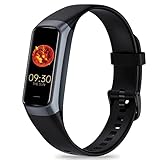
The Zeacool Fitness Tracker balances affordability with premium features, sporting a vibrant 1.10-inch AMOLED HD touchscreen in a sleek black design. It provides 24/7 monitoring of heart rate, blood oxygen, blood pressure, sleep patterns, and temperature across 25 customizable sports modes. With 5ATM waterproofing, it withstands swimming and diving, while convenience features like remote photography and menstrual reminders enhance daily utility.
What Makes It Stand Out:
The AMOLED display delivers superior clarity and color compared to budget LCD trackers, making data easily readable in all conditions. The 5ATM waterproof rating is genuinely robust, supporting serious swimming unlike many competitors’ superficial splash resistance. Comprehensive health tracking—including blood pressure and temperature monitoring—provides unusual depth at this price point.
Value for Money:
Positioned in the mid-range segment, this tracker punches above its weight with display quality and waterproofing that rivals premium brands. While blood pressure accuracy requires cautious interpretation, the combination of AMOLED screen, extensive monitoring, and true swim-proof design offers strong value against Fitbit Inspire or Xiaomi bands.
Strengths and Weaknesses:
Strengths include the excellent AMOLED display, legitimate 5ATM waterproofing, diverse sport modes, and rich convenience features. Weaknesses involve unspecified battery life expectations, potential blood pressure sensor inaccuracies, and reliance on the unproven “Keep Health” app ecosystem. Temperature tracking reliability is unverified.
Bottom Line:
A solid choice for users wanting an attractive display and genuine waterproofing without premium pricing. Ideal for swimmers and fitness enthusiasts who prioritize screen quality, though medical metrics should be treated as reference data.
10. Vibeat WearO2 Blood Oxygen Monitor — Bluetooth Pulse Oximeter for Continuous O2 and Heart Rate Tracking Rechargeable, Wearable Finger Oxygen Meter with Notification & Free APP

Overview:
The Vibeat WearO2 is a specialized finger-worn pulse oximeter designed for continuous SpO2 and heart rate monitoring, distinguishing itself from wrist-based trackers. Using infrared light technology, it captures readings every minute for 8-12 hours per charge, making it ideal for sleep studies, altitude training, or respiratory condition management. The ergonomic silicone ring sensor ensures comfort during extended wear without finger numbness.
What Makes It Stand Out:
This device prioritizes clinical-grade SpO2 accuracy over general fitness features, offering customizable vibration alerts when oxygen levels drop below preset thresholds—a critical safety feature for apnea sufferers or pilots. The free Vihealth app provides unlimited data storage, PDF/CSV report generation, and Apple Health integration without subscription fees. Built-in memory stores 40 hours of data even without a phone.
Value for Money:
While niche and similarly priced to full-featured fitness trackers, its specialized focus justifies the cost for those needing reliable continuous oximetry. Medical-grade finger sensors typically cost hundreds more; this consumer-friendly version delivers professional-level tracking with free data management, representing excellent value for targeted users.
Strengths and Weaknesses:
Strengths include accurate continuous SpO2 monitoring, smart alert system, comfortable ring design, generous offline storage, and subscription-free app. Weaknesses are its single-purpose limitation—no activity or sleep stage tracking—and modest 8-12 hour battery life requiring nightly charging. Finger placement may interfere with some activities.
Bottom Line:
Perfect for users specifically monitoring blood oxygen levels due to health conditions, athletic training, or altitude adaptation. It’s not a general fitness tracker but excels at its specialized mission. Those needing broader health data should look elsewhere.
Understanding SpO2 Technology and Sleep Apnea Monitoring
What SpO2 Sensors Measure During Sleep
SpO2 sensors in wearable devices use photoplethysmography (PPG) technology to estimate the percentage of oxygen-saturated hemoglobin in your blood. During sleep, these sensors emit specific wavelengths of light through your skin—typically red and infrared—that interact differently with oxygenated versus deoxygenated blood. The reflected light creates a signal that algorithms interpret to calculate your blood oxygen saturation level. In 2026, advanced sensors now sample data continuously throughout the night at rates up to 100Hz, capturing subtle fluctuations that earlier generations might have missed. Understanding this underlying technology helps you appreciate why sensor placement, skin contact quality, and ambient light interference all impact measurement reliability.
The Connection Between Oxygen Levels and Sleep Apnea
Sleep apnea events cause breathing to stop or become dangerously shallow, leading to drops in blood oxygen levels that stress your entire cardiovascular system. A healthy individual maintains SpO2 levels between 95-100% during sleep, while repeated dips below 90% may indicate obstructive or central sleep apnea. Modern wearables don’t just record these desaturation events—they analyze patterns, duration, and frequency to estimate your Apnea-Hypopnea Index (AHI). However, it’s crucial to recognize that while these correlations are scientifically sound, consumer devices measure peripherally at your wrist or finger, whereas medical polysomnography monitors oxygen directly through arterial blood gases, creating inherent differences in absolute accuracy.
Limitations of Consumer-Grade Monitoring
No matter how advanced 2026 technology becomes, consumer wearables remain wellness devices rather than medical diagnostic equipment. They excel at identifying trends and prompting further medical evaluation but cannot definitively diagnose sleep apnea. Motion artifacts from restless sleeping, poor sensor contact during position changes, and individual physiological variations all introduce potential errors. Additionally, these devices cannot measure airflow, respiratory effort, or brain activity—critical components of a formal sleep study. Understanding these limitations prevents dangerous self-diagnosis while still allowing you to leverage the technology as a powerful screening and monitoring tool.
Essential Features for 2026 Sleep Tracking Wearables
Sensor Accuracy and Sampling Frequency
When evaluating devices, prioritize those offering continuous SpO2 monitoring rather than spot checks. The sampling frequency determines how many data points are collected per second—higher frequencies capture brief desaturation events more reliably. Look for devices that specify their accuracy range, typically expressed as ±2-3% compared to medical-grade pulse oximeters. Advanced models now incorporate multiple photodiodes and improved signal-to-noise ratios that filter out motion artifacts more effectively. Inquire about the device’s performance across different skin tones, as melanin can affect light absorption and historically created disparities in accuracy that 2026 technology aims to eliminate.
Sleep Stage Detection and Analysis
Effective apnea monitoring requires sophisticated sleep stage classification, as apneas occur more frequently during REM and deep sleep when muscle tone changes. Premium wearables in 2026 combine SpO2 data with heart rate variability, respiratory rate, body movement, and skin temperature to distinguish between light, deep, and REM sleep with over 85% accuracy compared to EEG-based polysomnography. This multi-parameter approach allows the device to contextualize oxygen desaturations—were they preceded by movement, heart rate spikes, or typical REM-related breathing irregularities? The granularity of this analysis directly impacts the meaningfulness of your morning sleep reports.
Apnea-Hypopnea Index (AHI) Estimation Features
The most valuable sleep apnea wearables attempt to calculate an estimated AHI by counting potential apnea and hypopnea events per hour of sleep. In 2026, sophisticated algorithms consider event duration (typically 10+ seconds), associated oxygen desaturation (usually 3-4% drops), and whether the event was central or obstructive in nature based on accompanying physiological signals. Some devices now provide confidence intervals for their AHI estimates, acknowledging the uncertainty inherent in wrist-based monitoring. Look for options that allow you to manually log symptoms like gasping awakenings or daytime fatigue, creating a more comprehensive picture for your healthcare provider.
Design and Wearability Considerations
Form Factor Options: Rings, Watches, and Bands
Your choice of form factor dramatically impacts long-term compliance and data quality. Smart rings offer the most discreet profile and consistent finger-based sensor placement, which theoretically provides superior PPG signal quality. Smartwatches deliver larger batteries and screens for real-time feedback but may shift position during sleep. Dedicated sleep wristbands prioritize comfort with flexible materials and optimized sensor alignment. Consider your personal comfort preferences, whether you wear jewelry to bed, and how easily you adapt to new sleep accessories. The best device is the one you’ll actually wear consistently for months, not just the first week.
Material Allergies and Skin Sensitivity
Extended overnight wear demands hypoallergenic materials that won’t irritate your skin or cause allergic reactions. Medical-grade silicone, titanium, and ceramic composites have become standard in 2026’s premium devices, replacing older plastics that trapped heat and moisture. If you have known nickel allergies or sensitive skin, carefully review material specifications and look for dermatologically tested certifications. Some manufacturers now offer interchangeable bands made from organic cotton or bamboo fibers for the portion contacting your skin, while housing sensors in non-contact housings. Consider also the device’s weight—anything over 50 grams on your wrist may become noticeable and disruptive during side-sleeping.
Water Resistance for 24/7 Wear
True 24/7 monitoring requires water resistance sufficient for showering and handwashing without removal. Look for IP68 ratings or 5ATM water resistance as minimum standards in 2026. This capability ensures you capture complete data sets without gaps that occur when removing the device for daily activities. More importantly, it prevents moisture intrusion that could damage the sensitive SpO2 sensors. Some advanced models now feature self-cleaning sensor surfaces that use UV light to prevent bacterial buildup, addressing hygiene concerns that previously discouraged continuous wear.
Battery Performance and Charging
Multi-Day Battery Life Expectations
Sleep monitoring demands devices that can operate through multiple nights without charging interruption. In 2026, leading wearables offer 5-7 days of battery life with continuous SpO2 monitoring enabled, though this varies significantly based on sampling frequency and additional features. Be skeptical of devices promising only 1-2 days, as the charging burden often leads to inconsistent usage patterns. Consider your travel schedule and whether you want to carry proprietary chargers. Some smart rings now offer wireless charging cases that provide multiple full charges, ideal for extended trips away from power outlets.
Charging Speed and Convenience
When you do need to charge, rapid charging capabilities become crucial for maintaining monitoring consistency. Premium devices in 2026 can achieve 80% charge in under 30 minutes, allowing you to recharge during morning routines without missing daytime tracking. Evaluate whether the charging mechanism aligns with your habits—magnetic connectors, wireless pads, or USB-C compatibility each offer different convenience levels. Some watches now feature solar charging supplements that extend battery life during daytime wear, reducing overall charging frequency.
Battery Degradation Over Time
Lithium-ion batteries lose capacity with each charge cycle, and this degradation directly impacts long-term usefulness. Investigate whether manufacturers specify expected battery lifespan—quality devices should maintain 80% capacity after 500+ charge cycles (approximately 3-4 years of nightly use). Some companies now offer battery replacement programs for rings and watches, extending device lifespan beyond the typical 2-year upgrade cycle. This consideration affects total cost of ownership and environmental impact, particularly important for premium-priced wearables.
Data Interpretation and User Experience
Companion App Interface and Usability
Raw data becomes actionable only through well-designed software. Evaluate companion apps before purchasing by exploring screenshots, video reviews, and user feedback focused on data visualization clarity. The best 2026 apps present SpO2 trends as intuitive graphs with color-coded zones (normal, borderline, concerning), overlay sleep stages, and highlight significant events automatically. Look for customizable dashboards that let you prioritize the metrics most relevant to your health concerns. Apps should also provide educational context—what does a particular oxygen dip pattern suggest, and when should you be concerned versus when is it likely benign?
Trend Analysis and Pattern Recognition
Single-night data rarely tells the complete story; longitudinal analysis reveals patterns that distinguish chronic issues from isolated incidents. Advanced wearables now employ machine learning to identify correlations between your daily activities—alcohol consumption, medication timing, stress levels—and nighttime oxygen desaturation events. Some systems generate weekly and monthly reports that quantify improvement or deterioration, invaluable for tracking treatment effectiveness. Ensure the device stores at least 30 days of detailed data locally, with unlimited cloud storage for historical trends, as this long-term perspective is essential for meaningful apnea management.
Exporting Data for Medical Consultation
Your wearable should facilitate, not hinder, communication with healthcare providers. Look for devices that generate physician-friendly PDF reports or export data in standardized formats like CSV or HL7 FHIR that integrate with electronic health records. In 2026, some manufacturers partner directly with telemedicine platforms, allowing secure, HIPAA-compliant data sharing with sleep specialists. The ability to annotate nights with notes about symptoms, medication changes, or lifestyle factors creates a comprehensive diary that significantly enhances your doctor’s ability to interpret the data accurately.
Healthcare Integration and Clinical Validation
FDA Clearance and Medical Device Classification
The regulatory landscape distinguishes between general wellness devices and those cleared for specific medical indications. In 2026, a handful of wearables have received FDA 510(k) clearance for detecting signs of sleep apnea, meaning they’ve demonstrated substantial equivalence to existing medical devices. These cleared products undergo rigorous clinical testing and must meet strict quality management standards. While clearance doesn’t guarantee perfect accuracy, it indicates the manufacturer has invested in clinical validation rather than purely consumer marketing. Check the FDA’s database directly rather than relying on marketing claims, as terminology like “FDA registered” can be misleading.
Sharing Data with Sleep Specialists
Effective apnea management requires collaboration between you, your wearable, and your healthcare team. The most valuable devices in 2026 offer dedicated clinician portals where sleep specialists can access your data with your permission, often in real-time. This capability transforms your wearable from a passive data collector into an active monitoring tool that can inform treatment adjustments. Some integrated systems even allow your doctor to set personalized alert thresholds—if your estimated AHI exceeds a certain level or oxygen drops below a critical value, both you and your provider receive notifications.
Clinical Trial Backing and Published Research
Before investing, search peer-reviewed journals for studies validating the specific device’s algorithms. Reputable manufacturers publish clinical validation studies comparing their wearables against polysomnography, typically reporting sensitivity and specificity metrics for apnea event detection. In 2026, leading devices demonstrate 80-90% sensitivity for moderate to severe apnea detection, though specificity varies. Be wary of companies that cannot provide peer-reviewed evidence, relying instead on internal testing claims. The strength of clinical backing often correlates with how seriously sleep medicine professionals will take your self-collected data.
Privacy and Data Security Considerations
Data Encryption and Storage Protocols
Your sleep and health data represent highly sensitive personal information vulnerable to breaches and misuse. Premium 2026 wearables employ end-to-end encryption for data transmission and storage, meaning even the manufacturer cannot access your raw information. Investigate whether devices offer local-only storage options that keep your data on your smartphone rather than uploading to cloud servers. For cloud-based systems, verify they use zero-knowledge architecture where you hold the encryption keys. Read privacy policies carefully to understand data retention periods and deletion rights under regulations like GDPR and CCPA.
Third-Party Data Sharing and Monetization
Many wearable companies subsidize device costs through data monetization, selling anonymized user data to pharmaceutical companies, insurance firms, and researchers. In 2026, some manufacturers have shifted to privacy-first business models with transparent, opt-in data sharing programs that compensate users directly. Before purchasing, scrutinize privacy policies for clauses about data sales and sharing. The most privacy-respecting devices charge higher upfront prices but guarantee your data remains yours alone, never shared without explicit, informed consent for each specific use case.
Regulatory Compliance and Certifications
Look for devices that have undergone independent security audits and hold certifications like ISO 27001 for information security management. In the United States, HIPAA compliance is essential for any device marketed with healthcare provider integration features. European users should verify GDPR compliance, which provides stronger data protection rights. Some manufacturers now display security and privacy scores from independent auditors directly on their packaging, similar to energy efficiency ratings, making it easier to compare options at a glance.
Budget and Value Assessment
Price Ranges and Feature Tiers
In 2026, capable SpO2 monitoring wearables range from $150 for basic fitness bands with nightly spot checks to $500+ for medical-grade smart rings with continuous monitoring. Smartwatches with comprehensive health suites typically fall in the $300-400 range. Avoid the cheapest options promising full apnea monitoring, as they often use inferior sensors and unvalidated algorithms. Conversely, the most expensive devices may include features irrelevant to sleep apnea tracking. Focus on finding the price tier where essential features like continuous SpO2, validated algorithms, and data export capabilities converge without paying for unnecessary bells and whistles.
Subscription Models and Total Cost of Ownership
Many manufacturers have adopted subscription-based models where the hardware costs less but requires monthly fees to access full features. A $200 device with a $10/month subscription quickly exceeds the cost of a $400 one-time purchase over two years. Evaluate whether subscription services provide ongoing value—do they include personalized coaching, regular algorithm updates, or direct clinician access? For apnea monitoring specifically, ensure that core SpO2 analysis and data export don’t require subscriptions, as these are fundamental functions that shouldn’t be paywalled.
Warranty and Support Services
Sleep monitoring devices experience more wear than typical electronics due to 24/7 contact with skin, sweat, and movement. Look for minimum 1-year warranties covering sensor malfunction and battery defects, with extended warranty options available. Premium manufacturers now offer 2-year warranties with accidental damage protection, recognizing that these health-critical devices need reliable operation. Investigate support responsiveness through user forums and reviews—when a sensor fails at 2 AM, can you reach technical support? Do they offer advanced replacement programs that ship a new device before you return the faulty one?
Emerging Technologies in 2026
AI-Powered Predictive Analytics
The latest generation of wearables employs on-device artificial intelligence that learns your personal baseline and predicts potential apnea episodes before they occur. By analyzing pre-event patterns in heart rate variability, respiratory rate, and movement, these systems can sometimes anticipate desaturation events 30-60 seconds in advance. While still experimental, this predictive capability opens possibilities for adaptive therapies—imagine a device that subtly vibrates to prompt position changes when it detects conditions ripe for an apnea event, potentially preventing the episode altogether.
Multi-Sensor Fusion Approaches
Relying solely on SpO2 provides an incomplete picture. Cutting-edge 2026 devices integrate pulse oximetry with acoustic sensors that detect snoring patterns, accelerometers that measure chest movement, and even radar-based respiratory motion detection. This sensor fusion creates a more holistic view of your breathing during sleep, distinguishing between true apneas and simple oxygen fluctuations from other causes. Some experimental devices incorporate transcutaneous CO2 monitoring, offering insights into ventilation efficiency that SpO2 alone cannot provide.
Non-Invasive Blood Pressure and Glucose Monitoring
While not directly related to apnea, emerging sensors that estimate blood pressure and blood glucose levels during sleep provide valuable context. Sleep apnea often coexists with hypertension and metabolic syndrome, and seeing how these parameters interact throughout the night reveals deeper health insights. For example, oxygen desaturations combined with blood pressure spikes may indicate more severe cardiovascular stress requiring aggressive treatment. Though these sensors remain less accurate than medical devices, their inclusion in comprehensive sleep wearables represents the future of integrated health monitoring.
Making Your Final Selection Decision
Assessing Your Personal Health Profile
Your specific health situation should drive device selection. If you have diagnosed moderate-to-severe apnea, prioritize clinically validated devices with direct clinician integration. For mild symptoms or screening purposes, a more affordable option with solid trend analysis may suffice. Consider comorbidities—do you also need cardiac arrhythmia detection or diabetes management features? Create a prioritized list of your health concerns and match them against device capabilities, avoiding feature creep that adds cost without addressing your primary needs.
Trial Periods and Return Policies
Given the subjective nature of comfort and the variability of sensor performance across individuals, generous return policies are invaluable. Seek manufacturers offering at least 30-day money-back guarantees with no restocking fees. Some companies provide 60-day trial periods specifically for health monitoring devices, recognizing that meaningful patterns require several weeks of data collection. Use this trial period rigorously—test the device during different sleep positions, after various daily activities, and compare its readings against a medical pulse oximeter during waking hours to gauge consistency.
Reading Between Marketing Claims
Marketing language often obscures technical limitations through careful wording. “Clinically tested” doesn’t mean “clinically validated” or “FDA cleared.” “Medical-grade sensors” refers to component quality, not device certification. When evaluating claims, look for specific, quantitative statements rather than vague superlatives. Reputable manufacturers publish whitepapers detailing their validation studies, algorithm performance, and accuracy limitations. Cross-reference impressive claims with independent reviews from sleep medicine professionals and user communities focused on apnea management rather than general fitness.
Consulting Healthcare Providers Before Purchase
Before finalizing any purchase, discuss your monitoring plans with your primary care physician or a sleep specialist. They can interpret your risk level, suggest specific metrics to track, and may even recommend particular device categories based on your medical history. Some healthcare systems have partnership programs offering discounted, pre-validated devices directly through their portals. Your doctor’s involvement also ensures that the data you collect will be taken seriously during future consultations, transforming your wearable from a personal gadget into a legitimate medical monitoring tool.
Frequently Asked Questions
How accurate are consumer SpO2 sensors compared to medical pulse oximeters?
Consumer wearables typically demonstrate ±2-3% accuracy compared to medical-grade devices under ideal conditions, though this degrades with movement and poor sensor contact. They’re excellent for identifying trends and patterns but should not replace medical devices for critical decisions. For sleep apnea screening, they’re sufficiently accurate to indicate when professional evaluation is warranted.
Can a wearable device officially diagnose sleep apnea?
No consumer wearable can provide a formal medical diagnosis. Only polysomnography conducted in a sleep lab or validated home sleep apnea test prescribed by a physician can diagnose sleep apnea. Wearables serve as screening tools that detect potential issues and generate data to share with your doctor, who can then order appropriate diagnostic testing.
What’s the difference between SpO2 monitoring and AHI calculation?
SpO2 monitoring measures blood oxygen saturation percentage throughout the night, while AHI (Apnea-Hypopnea Index) estimates the number of breathing cessation events per hour by analyzing SpO2 drops, heart rate changes, and movement patterns. SpO2 shows the physiological consequence of apneas; AHI attempts to count the events themselves. Both metrics are valuable but serve different diagnostic purposes.
Do I need a doctor’s prescription to buy a sleep tracking wearable with SpO2?
No prescription is required for consumer wellness devices. However, some FDA-cleared devices intended for specific medical indications may require a prescription or may be distributed through healthcare providers. For general monitoring and screening purposes, you can purchase any consumer wearable directly, though consulting your doctor about your findings remains strongly recommended.
How many nights of data are needed to identify sleep apnea patterns?
Most clinicians recommend at least 7-14 nights of data to account for night-to-night variability caused by factors like alcohol, illness, or stress. Some insurance companies and sleep specialists may want 30 days of data before considering it reliable for screening purposes. Modern wearables make this easy by automatically aggregating trends across extended periods.
Will my health insurance reimburse the cost of a sleep tracking wearable?
Insurance coverage remains inconsistent in 2026. Some plans cover FDA-cleared devices when prescribed for specific conditions, while most consider consumer wellness devices personal expenses. Flexible Spending Accounts (FSAs) and Health Savings Accounts (HSAs) often reimburse these purchases with a letter of medical necessity from your doctor. Check with your insurer about policies regarding remote patient monitoring devices.
Can I share my wearable data directly with my sleep specialist?
Yes, most premium devices offer data export features or clinician portals. Look for options generating PDF reports or supporting HL7 FHIR format for electronic health record integration. Some manufacturers partner with telemedicine platforms enabling seamless, secure data sharing. Always confirm your doctor can receive and interpret the specific device’s output before relying on this capability.
Are there health risks associated with wearing SpO2 sensors overnight?
The light emitted by PPG sensors is non-ionizing and considered safe for continuous use. No evidence suggests health risks from overnight wear. However, some users experience skin irritation from materials or adhesives. If you notice redness, itching, or discomfort, discontinue use and consult a dermatologist. Proper hygiene and allowing skin to breathe during the day minimizes these risks.
What should I do if my wearable indicates possible sleep apnea?
First, don’t panic—single-night anomalies occur. Review 7-14 days of data to confirm consistent patterns. Schedule an appointment with your primary care physician to discuss your findings, bringing exported data or app screenshots. Your doctor may order a formal home sleep apnea test or refer you to a sleep specialist. Treat wearable data as a conversation starter, not a diagnosis.
How do I verify my data is secure and private?
Research the manufacturer’s privacy policy for clear statements about data encryption, storage location, and third-party sharing. Look for independent security certifications like ISO 27001 and compliance with HIPAA or GDPR. Prefer devices offering local storage options where you control encryption keys. Reputable companies undergo regular security audits and publish transparency reports detailing any data breaches or government requests for information.
See Also
- 10 Essential Sleep Tracking Wearables with SpO2 Sensor for Apnea Screening in 2026
- 10 Best Value Sleep Tracking Wearables with SpO2 Sensor for Oxygen Monitoring in 2026
- 10 Expert-Recommended Sleep Tracking Wearables with SpO2 Sensor for Apnea Awareness in 2026
- 10 Game-Changing Daily Activity Watches for Continuous SpO2 Monitoring in 2026
- Top 10 Best Blood Oxygen Monitor Watches for Sleep Apnea Management in 2026