Table of Contents
Staying perpetually connected has become non-negotiable, yet the constant drain on our primary device – the smartphone – is a modern frustration. Imagine this: you’re navigating an unfamiliar city, deep in a work session, or simply out for a long hike, and your phone battery plummets just when you need navigation, a critical notification, or emergency contact. Traditional smartwatches, while offering convenience, often exacerbate this problem, becoming just another gadget needing daily charging. This relentless cycle leaves many craving a smarter balance – the ability to stay informed and connected without sacrificing precious phone battery life or being tethered to a charger.
Enter the evolving world of hybrid smartwatches, a category experiencing significant refinement by 2026. These ingenious devices bridge the gap between timeless analog aesthetics and essential digital functionality, specifically engineered to minimize the burden on your smartphone. They achieve this not by replicating every smartphone feature, but by intelligently curating which information flows to your wrist and how it’s delivered, using ultra-low-power technologies. For those seeking seamless awareness without the constant anxiety of a dying phone, understanding the unique value proposition of modern hybrids is no longer a niche interest – it’s a practical necessity for sustainable digital living.
Top 10 Hybrid Smartwatches with Notifications
Detailed Product Reviews
1. Garmin vívomove Trend, Stylish Hybrid Smartwatch, Long-Lasting Battery Life, Dynamic Watch Hands and Touchscreen Display, Mist Gray

Overview: The Garmin vívomove Trend (Mist Gray) blends classic analog aesthetics with modern smart features in a 40mm stainless steel case. It targets style-conscious users seeking discreet health tracking without constant screen glances.
What Makes It Stand Out: Its unique dynamic display hides a full touchscreen behind analog hands, activating only during movement. The sophisticated Mist Gray finish and 5-day battery life (plus 1-day watch mode) offer elegance with practicality, while comprehensive health metrics like Body Battery and stress tracking provide holistic wellness insights.
Value for Money: Priced mid-range, it competes well against full-touchscreen smartwatches by avoiding frequent charging. While lacking medical-grade ECG, its balance of style, battery life, and robust health suite justifies the cost for non-athletes prioritizing subtlety.
Strengths and Weaknesses: Strengths: Exceptional battery life; seamless analog-digital hybrid design; extensive health/sleep tracking; slim profile. Weaknesses: Limited smartwatch functionality vs. Wear OS; Pulse Ox restrictions; no GPS onboard; basic notification handling.
Bottom Line: An ideal choice for professionals wanting understated tech with reliable health monitoring. Avoid if you need advanced sports metrics or always-on smart features; otherwise, it’s a polished, pragmatic hybrid.
2. WITHINGS ScanWatch 2 - Hybrid Smart Watch, Heart Rate Monitoring, Fitness Tracker, Cycle Tracker, Sleep Monitoring, GPS Tracker, 30-Day Battery Life, Android & Apple Compatible, HSA/FSA
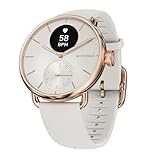
Overview: The WITHINGS ScanWatch 2 is a premium hybrid smartwatch emphasizing medical-grade health tracking within a minimalist stainless steel design featuring sapphire glass and analog hands. It targets health-focused users needing long-term, reliable monitoring.
What Makes It Stand Out: Its industry-leading 35-day battery life ensures uninterrupted health tracking, while FDA-cleared ECG and AFib detection deliver clinical-grade heart insights. The HealthSense OS processes data on-device for accuracy, and the Vitality Score offers actionable recovery feedback.
Value for Money: Justified at its price point for users prioritizing cardiovascular health, the ScanWatch 2 outperforms rivals with unmatched battery longevity and medical certifications. HSA/FSA eligibility adds fiscal appeal, though limited smart features may deter tech enthusiasts.
Strengths and Weaknesses: Strengths: 35-day battery life; medical-grade ECG/AFib detection; sapphire durability; comprehensive sleep/breathing analysis; HSA/FSA eligible. Weaknesses: No built-in GPS; basic smart notifications; proprietary OS limits app ecosystem; higher cost than basic hybrids.
Bottom Line: Highly recommended for health-conscious individuals, especially those monitoring heart conditions. It’s less suited for active athletes needing GPS, but excels as a reliable, long-term health sentinel.
3. Garmin vívomove Trend, Stylish Hybrid Smartwatch, Long-Lasting Battery Life, Dynamic Watch Hands and Touchscreen Display, Black

Overview: This Black variant of Garmin’s vívomove Trend offers identical functionality to the Mist Gray model but in a versatile matte black finish. It maintains the 40mm stainless steel case and hybrid design, appealing to users preferring a bolder, minimalist aesthetic.
What Makes It Stand Out: The hidden touchscreen beneath analog hands activates intuitively with wrist movement, preserving battery life while enabling glanceable health metrics. Continuous heart rate, Pulse Ox (where available), and Body Battery energy monitoring provide actionable daily insights without compromising elegance.
Value for Money: Competitively priced against fashion hybrids, its 5-day battery and robust health suite offer better longevity than most smartwatches. Though lacking advanced sports tools, it’s a cost-effective upgrade from basic activity trackers for style-driven users.
Strengths and Weaknesses: Strengths: Sleek black design; exceptional battery efficiency; discreet health/sleep tracking; comfortable for all-day wear. Weaknesses: No onboard GPS; limited third-party app support; notifications lack interactivity; Pulse Ox not universally available.
Bottom Line: A refined option for professionals seeking a sophisticated, low-maintenance health companion. Choose this over full smartwatches if battery life and subtlety outweigh advanced connectivity needs.
4. Garmin vívomove Trend, Stylish Hybrid Smartwatch, Long-Lasting Battery Life, Dynamic Watch Hands and Touchscreen Display, Ivory

Overview: The Ivory-colored vívomove Trend delivers Garmin’s signature hybrid experience in a warm, neutral finish. Designed for those prioritizing elegance, it features the same 40mm stainless steel case and dual-display technology as other Trend variants, targeting fashion-forward health enthusiasts.
What Makes It Stand Out: The subtle ivory hue pairs with dynamic analog hands that reveal a touchscreen on demand, enabling features like stress tracking and sleep scores without disrupting the watch’s classic appearance. Its 5-day battery life and smartphone notifications strike a balance between utility and discretion.
Value for Money: Positioned as a premium accessory, it competes with luxury hybrids by offering Garmin’s trusted health ecosystem. While pricier than basic trackers, the combination of style, battery longevity, and detailed wellness metrics provides solid ROI for non-athletes.
Strengths and Weaknesses: Strengths: Unique ivory aesthetic; intuitive motion-activated display; comprehensive health suite; lightweight comfort. Weaknesses: Mediocre smart features; no GPS navigation; limited color screen utility; Pulse Ox constraints.
Bottom Line: Perfect for users wanting a chic, functional health tracker that complements formal attire. Opt for this if design and battery life are paramount, but seek alternatives for fitness-centric tracking.
5. Garmin Instinct Crossover, Rugged Hybrid Smartwatch, Analog Hands and Digital Display, Black

Overview: The Garmin Instinct Crossover merges rugged durability with hybrid functionality in a bold 45mm black design. Built for adventurers, it combines luminescent analog hands with a digital display, targeting outdoor enthusiasts needing reliability in extreme conditions.
What Makes It Stand Out: MIL-STD-810 certified for thermal/shock resistance and 100m water resistance set it apart. RevoDrive technology ensures precise analog timekeeping amidst activity, while Garmin Pay and smartphone notifications add modern utility without sacrificing toughness.
Value for Money: Priced higher than standard hybrids, its value lies in unparalleled durability and outdoor readiness. It outperforms fashion hybrids in harsh environments but costs more than basic rugged watches—justified for serious adventurers.
Strengths and Weaknesses: Strengths: Extreme durability (MIL-STD-810); 10 ATM water resistance; dual analog/digital display; Garmin Pay support; excellent battery life. Weaknesses: Bulky design; limited health features vs. Trends; no ECG/Pulse Ox; basic sleep tracking.
Bottom Line: A top pick for outdoor professionals or thrill-seekers needing a resilient hybrid. Skip if health tracking is primary; choose this for uncompromising toughness paired with essential smart features.
6. Smart Watch with Alexa Built-in, 1.83" HD Touchscreen Fitness Tracker, Bluetooth Notifications/Calls, IP68 Waterproof, 120+ Sport Modes, 24/7 Heart Rate & Sleep Monitor for iPhone Android iOS (Blue)

Overview: This budget-friendly smartwatch prioritizes core connectivity and health tracking for Android and iOS users, featuring a bright 1.83" HD screen and essential fitness/sleep monitoring.
What Makes It Stand Out: Alexa integration enables hands-free smart home control and updates, while Bluetooth 5.3 calling with a dedicated speaker/mic is rare at this price. The 120+ sport modes and IP68 rating add versatility for active lifestyles.
Value for Money: Excellent for under $50, offering features like Bluetooth calls and Alexa that typically cost more. It undercuts premium brands significantly but lacks medical-grade sensors or advanced metrics.
Strengths and Weaknesses: Strengths: Reliable notifications, vibrant display, extensive sport tracking, solid waterproofing for daily use. Weaknesses: No message replies, basic health data accuracy (vs. medical devices), short battery life (1-2 days), Alexa requires phone tethering.
Bottom Line: Ideal for casual users seeking affordable call handling, Alexa convenience, and fundamental fitness tracking—avoid if you need advanced health insights or multi-day battery life.
7. Smart Watches for Women (Android/iPhone), 1.83" HD Smart Watch with Calls/Messages/Notifications, Sleep/Heart Rate/SpO2/Blood Pressure Monitor, 110+ Sports Modes Fitness Tracker Watch, 1000mAh Battery

Overview: A stylish, women-focused smartwatch blending fashion (blush pink metal frame, dual bands) with comprehensive health tracking, including SpO2 and blood pressure estimates.
What Makes It Stand Out: The 1000mAh battery promises extended use (7-10 days), while dual band options (metal/silicone) and 200+ customizable watch faces enhance versatility. Real-time SpO2 and BP monitoring stand out in its price tier.
Value for Money: Competitive at $60-$75, especially for the battery life and design flexibility. Lacks medical validation for health metrics but offers more aesthetic options than utilitarian rivals.
Strengths and Weaknesses: Strengths: Long battery life, elegant design adaptable for any occasion, robust app support, accurate step/sleep tracking. Weaknesses: Blood pressure/SpO2 data is indicative only, no message replies, 5ATM rating isn’t suitable for swimming.
Bottom Line: A top pick for fashion-conscious users wanting all-day wearability and broad health tracking—skip if you require clinical-grade vitals or swimming compatibility.
8. Garmin Instinct Crossover Solar, Rugged Hybrid Smartwatch with Solar Charging Capabilities, Analog Hands and Digital Display, Graphite

Overview: A rugged hybrid smartwatch merging analog elegance with solar-powered durability, targeting outdoor enthusiasts needing long battery life and ABC (altimeter, barometer, compass) sensors.
What Makes It Stand Out: Solar charging extends battery to 70 days (unlimited in saver mode), while the hybrid display combines analog hands with a digital screen for readability. Military-grade durability and contactless payments add unique utility.
Value for Money: Justified at $400 for adventurers, as solar charging and ruggedness reduce long-term ownership costs. Pricier than basic hybrids but cheaper than full smartwatches with similar endurance.
Strengths and Weaknesses: Strengths: Exceptional battery life, tough design, precise GPS/sensors, seamless activity transitions. Weaknesses: No touchscreen, limited app ecosystem, basic smart notifications, high upfront cost.
Bottom Line: Essential for hikers and athletes prioritizing reliability and battery over apps—overkill for casual users seeking fitness-only features.
9. Withings ScanWatch Light - Hybrid Smart Watch, Heart Rate Monitoring, Fitness Tracker, Cycle Tracker, Sleep Monitoring

Overview: A premium hybrid smartwatch focused on medical-grade health insights, featuring ECG-like sleep apnea detection and detailed menstrual cycle tracking.
What Makes It Stand Out: FDA-cleared overnight heart rate variability (HRV) analysis and sleep apnea screening are industry-leading. The 30-day battery and sapphire glass ensure longevity without daily charging.
Value for Money: Priced at $250, it’s a strong value for health-focused users, as clinical-grade features typically cost $400+. Outperforms most hybrids in sleep/cycle analytics but lacks smartwatch apps.
Strengths and Weaknesses: Strengths: Unmatched sleep/health metrics, 30-day battery, elegant minimalist design, durable build. Weaknesses: No GPS, limited sports modes (40+ but basic), no voice assistant, higher price than fitness trackers.
Bottom Line: Best for health-conscious users wanting doctor-validated data—avoid if you need activity GPS or smartphone-style smart features.
10. Garmin vivomove Sport, Hybrid Smartwatch, Health and Wellness Features, Touchscreen, Black

Overview: A sleek hybrid smartwatch balancing analog aesthetics with wellness-focused tech, including advanced stress and menstrual tracking in a 40mm form factor.
What Makes It Stand Out: Body Battery energy monitoring and women’s health tracking integrate seamlessly with its timeless design. The touchscreen works alongside analog hands for intuitive navigation.
Value for Money: Fair at $200, offering Garmin’s trusted health metrics (Pulse Ox, sleep scoring) in a discreet package. Less rugged than Instinct but more stylish for office use.
Strengths and Weaknesses: Strengths: Classy design, comprehensive wellness insights, 5-day battery, reliable smartphone GPS pairing. Weaknesses: Short battery vs. solar hybrids, no built-in GPS, basic activity profiles.
Bottom Line: Perfect for professionals wanting subtle health tracking without smartwatch bulk—choose Instinct if you need outdoor durability or longer battery.
Understanding the Hybrid Smartwatch Advantage
The Core Philosophy: Essential Connectivity, Minimal Drain
Hybrid smartwatches fundamentally operate on a principle of selective engagement. Instead of maintaining a constant, high-bandwidth Bluetooth connection that rapidly depletes both the watch and phone batteries, they utilize smarter, intermittent communication protocols. They prioritize critical alerts – think important calls, calendar reminders, or targeted notifications you’ve specifically filtered – and deliver them efficiently, often using minimal power display technologies. This curated approach ensures your phone isn’t constantly pinging the watch for data it doesn’t need, preserving significant battery life on your primary device.
How Hybrids Differ from Traditional Smartwatches and Fitness Trackers
It’s crucial to distinguish hybrids from their cousins. Full smartwatches are powerful pocket-computers-on-wrist, running complex operating systems, apps, and bright always-on displays, inevitably demanding frequent charging and placing a heavier load on the paired phone. Basic fitness trackers focus almost exclusively on health metrics with very limited connectivity. Hybrids occupy the strategic middle ground: leveraging the familiarity and long battery life of analog watches while integrating just enough smart features – primarily notification management, activity tracking basics, and phone find – without the power-hungry overhead of a full smartwatch OS. They are purpose-built for efficiency.
Key Features Driving Phone Battery Preservation
Ultra-Low-Power Display Technologies
The display is a major power consumer. Modern hybrids in 2026 predominantly utilize advanced monochrome e-paper (like refined E Ink) or sophisticated memory LCD (MIP) technologies. These screens only consume significant power when the image changes, not while holding a static display (like the time or a notification). This means seeing the time, a step count, or a single notification alert uses negligible energy compared to the constant backlight and pixel refresh of an OLED smartwatch screen, drastically reducing the drain signal sent back to your phone.
Intelligent Notification Filtering and Management
Blindly forwarding every single phone notification to your wrist is a surefire way to drain both devices. Advanced hybrids now feature sophisticated filtering systems directly on the watch companion app. You can meticulously define which apps can send alerts, which specific contacts trigger priority notifications (e.g., only family calls), and even set time-based rules (e.g., mute social media after 8 PM). This ensures only truly important information interrupts your day and, crucially, only this filtered data requires transmission from your phone, conserving its battery.
Optimized Bluetooth Connectivity Protocols
Gone are the days of constant, chatty Bluetooth connections. Hybrids leverage the latest Bluetooth Low Energy (BLE) standards (like BLE 5.3/5.4 features prevalent by 2026) with significant enhancements. Features such as longer sleep intervals, smaller data packet sizes for simple alerts, and directional advertising minimize the active radio time needed for communication. The watch spends far more time in an ultra-low-power sleep state, waking only briefly and efficiently to check for critical data, putting far less strain on the phone’s Bluetooth radio.
Evaluating Hybrid Smartwatches for Your Needs
Assessing Your True “Always Connected” Requirements
Before diving in, honestly evaluate what “staying connected” means to you. Do you absolutely need turn-by-turn navigation on your wrist, or is a simple vibration for an incoming call sufficient? Do you require constant heart rate monitoring, or is step counting and sleep tracking adequate? Hybrids excel for users whose priority is awareness (knowing a call is coming, seeing a calendar alert) rather than interaction (replying to messages, checking maps). If your core need is basic notification awareness without phone dependency, a hybrid is likely the most battery-efficient solution.
Battery Life Expectations: Months vs. Days
This is often the most striking difference. While a full smartwatch might last 1-2 days (or less with heavy use), a modern hybrid smartwatch in 2026 routinely achieves 4-8 weeks or even several months on a single charge of its small battery. Some models incorporate innovative solutions like solar charging under the watch face, pushing potential battery life towards near-perpetual operation in typical conditions. This longevity directly translates to less frequent charging cycles for you and, more importantly, significantly less constant communication burden placed on your smartphone’s battery.
Compatibility and Ecosystem Considerations
Don’t assume universal compatibility. While most hybrids work with both major phone OSes, the depth of integration can vary. Carefully check which specific features (like advanced notification filtering, specific health metric syncing, or watch face customization) are supported on your exact phone model and OS version. Some hybrids offer deeper integration within certain ecosystems (e.g., better calendar sync with a specific platform), which can influence efficiency. Ensure the companion app is robust and receives regular updates for optimal performance and security.
Advanced Power-Saving Technologies in 2026 Models
Solar Charging Integration
Solar technology has moved beyond niche calculators. By 2026, integrated, efficient solar cells are a common feature under the watch crystal in many hybrid models. These cells harvest ambient light – whether indoor office lighting or direct sunlight – to trickle-charge the battery. This isn’t about powering GPS navigation, but about significantly extending the time between manual charges, potentially making the watch last for many months without plugging in, especially for users with regular daylight exposure. Less charging means less interaction with your phone’s charging ecosystem.
Movement-Powered Energy Harvesting
Some cutting-edge hybrids explore kinetic energy harvesting. Tiny generators within the watch mechanism convert the natural movement of your wrist throughout the day into small amounts of electrical energy. While not sufficient to power constant smart features alone, this harvested energy supplements the main battery, further reducing the frequency of required recharges and the associated drain on your phone during sync sessions. It’s a subtle but meaningful contributor to overall system efficiency.
Adaptive Power Management Systems
Modern hybrids employ intelligent software that learns your usage patterns. An adaptive system might automatically extend sleep intervals during your typical sleeping hours, reduce background sync frequency when it detects your phone is on low power mode, or prioritize only critical notifications when your watch battery is running very low. This context-aware power management ensures resources (both on the watch and the phone) are used only when and where they are most needed.
Design and Usability Factors for Long-Term Adoption
Analog Aesthetics Meets Modern Functionality
A major appeal of hybrids is their ability to look like a classic, high-quality timepiece. In 2026, materials range from premium stainless steel and titanium to sustainable composites, with traditional watch hands and indices. The smart elements (like a small discreet dot-matrix display at 6 o’clock or subtle hand movements for notifications) are seamlessly integrated, avoiding the “tech gadget” look. This timeless design encourages consistent wear, which is essential for the device to fulfill its role as your reliable connectivity companion without feeling like a chore to use.
Physical Button Controls for Reliability
While touchscreens are common on full smartwatches, hybrids often favor physical buttons. These are more reliable in all conditions (wet hands, gloves), provide tactile feedback, and crucially, consume no power when not pressed. Using a button to dismiss a notification or activate a feature is far more energy-efficient than waking a touchscreen sensor and processor. This simple design choice contributes directly to the extended battery life and reliable operation users expect.
Water Resistance and Durability for Active Lifestyles
Hybrids aren’t just for the office. Most models now offer robust water resistance (typically 5 ATM or 50 meters), making them suitable for swimming, intense workouts, and everyday splashes. Durable sapphire or mineral glass crystals protect the display. This durability ensures the watch remains functional and connected during active pursuits without the worry of damage, maintaining its role as a reliable secondary device without adding phone dependency during activities.
Making the Right Choice: Your Hybrid Buying Checklist
Prioritize Notification Efficiency Features
Scrutinize the notification management capabilities. Look for granular filtering by app, contact, and time of day. Check if the watch can display sender names or only generic alerts (more efficient). Consider if vibration patterns can be customized for different alert types – this helps you interpret the notification without even looking at your wrist, saving further phone interaction time. This feature set is paramount for minimizing unnecessary phone drain.
Verify True Battery Life Claims in Real-World Use
Manufacturer battery life claims often represent best-case scenarios. Research independent reviews that test battery life with typical notification loads and features enabled. Pay attention to whether the stated duration includes the use of the backlight (if present) or advanced health tracking modes, as these can significantly reduce longevity. Aim for models consistently verified to last several weeks under moderate smart use.
Consider Health Tracking Depth vs. Efficiency Trade-off
While not their primary focus, many hybrids offer basic health tracking (steps, sleep, heart rate spot checks). Understand the trade-off: continuous heart rate monitoring, even if limited, will drain the battery faster than step counting alone. Determine if the level of health insight provided meets your needs without compromising the core battery-saving benefit. For dedicated health monitoring, a separate, optimized device might be better, keeping the hybrid focused on efficient connectivity.
The Future of Hybrid Efficiency
Integration with Phone Low-Power Modes
Expect tighter synergy between hybrids and smartphone operating systems. When your phone activates its own battery saver mode, it could automatically trigger the hybrid to enter an even more conservative state – perhaps only allowing critical calls and disabling all non-essential notifications. This coordinated response would maximize the combined system’s longevity during critical low-battery situations.
AI-Powered Predictive Notification Delivery
Emerging AI could analyze your historical patterns (calendar, location, app usage) to predict when you are most likely to need specific notifications. Instead of constant pinging, the hybrid might sync in short, optimized bursts only during anticipated high-need periods, further minimizing the background drain on your phone throughout the quiet periods of your day.
Frequently Asked Questions
How much longer will a hybrid smartwatch actually make my phone battery last compared to a regular smartwatch?
While exact savings vary, hybrids significantly reduce the constant Bluetooth handshake and data streaming required by full smartwatches. Users often report noticeable extensions in daily phone battery life – potentially gaining 10-25% more usage – primarily by eliminating the need for the phone to constantly feed a bright, interactive screen and process complex watch apps.
Can a hybrid smartwatch completely replace the need to carry my phone?
No. Hybrids are designed for awareness and basic interaction (like dismissing calls). They lack cellular connectivity (in most models), apps, GPS navigation, and the ability to reply to messages or make calls independently. Their role is to reduce unnecessary phone checks, not eliminate the need for the phone itself.
Do I need to charge the hybrid smartwatch often? How does this affect my routine?
This is a major advantage. Most modern hybrids last 4-8 weeks or longer on a single charge. Solar models can extend this to several months. This means charging it less frequently than most full smartwatches charge your phone, drastically simplifying your charging routine and reducing overall device dependency.
Are hybrid smartwatches only for people who want an analog look?
While the classic aesthetic is a big draw, the core value is efficiency. Even users who prefer digital displays often choose hybrids specifically for the extended battery life and reduced phone drain. The analog look is a bonus, but the power-saving technology is the functional heart of the category.
How accurate are the health and fitness tracking features on hybrids?
Basic step counting and sleep duration are generally reliable for trend tracking. However, continuous heart rate monitoring and advanced metrics (like detailed sleep stages or VO2 max) are often less precise or not continuously available compared to dedicated fitness trackers or full smartwatches, as continuous monitoring conflicts with the core power-saving mission.
Can I customize what notifications I see on the hybrid watch?
Yes, extensive customization is a hallmark of modern hybrids. Through the companion phone app, you can typically select exactly which apps send alerts, which contacts are “priority,” set quiet hours, and sometimes even choose if sender names are displayed. This filtering is key to minimizing unnecessary phone drain.
Do hybrid smartwatches work with both Android and iPhone?
The vast majority offer broad compatibility with both major smartphone platforms. However, it’s always crucial to verify the specific model’s compatibility list, as certain advanced features (like deep calendar integration or specific notification types) might have slightly different functionality or limitations depending on your phone’s OS.
Is the notification experience on a hybrid as good as on a full smartwatch?
It’s different and intentionally streamlined. You’ll get essential alerts (call, priority message, calendar) with basic info (often just sender/app name), but you usually cannot read the full message content, reply, or interact beyond dismissing/vibrating. It’s designed for quick awareness, not interaction, which is central to its efficiency.
Do hybrids work for making contactless payments?
Some higher-end hybrid models released around 2026 may incorporate NFC for contactless payments (like Google Pay or Apple Pay Express Mode), but this is not yet universal across the category. If mobile payments are essential, you must specifically check for NFC support on the model you’re considering.
Will using a hybrid smartwatch impact my phone’s Bluetooth range?
No. The Bluetooth range is primarily determined by your phone’s antenna and the surrounding environment. Hybrids use the same Bluetooth standard but in a much more power-efficient manner, meaning the connection is maintained effectively over the same typical range (about 30 feet) without requiring more power from the phone to sustain it.