Table of Contents
Sleep technology has undergone a remarkable transformation over the past decade, evolving from simple movement sensors to sophisticated health monitoring systems that rival clinical equipment. As we move through 2026, the landscape of bedtime innovation has shifted dramatically toward predictive wellness, with devices that don’t just record your sleep but actively work to improve it before problems arise. These advancements represent a fundamental change in how we understand and optimize our nightly rest, moving beyond reactive tracking to proactive sleep enhancement.
What makes this year’s crop of sleep monitoring solutions truly revolutionary isn’t just their accuracy—it’s their intelligence. Modern systems integrate artificial intelligence that learns your unique physiological patterns, environmental preferences, and lifestyle rhythms to deliver personalized recommendations that evolve with you. From contactless sensors that disappear into your bedroom decor to wearable technology that feels like a second skin, the focus has shifted to seamless integration rather than intrusive monitoring. This guide explores the cutting-edge features and technologies that define the next generation of sleep optimization tools, helping you understand what to look for when upgrading your bedtime routine.
Top 10 Sleep Tracking Devices for Bedtime
Detailed Product Reviews
1. EMAY Sleep Breathing Monitor for Airflow Tracking | Record Breathing Continuously On The App | Monitor Sleep Quality and Respiratory Events | Generate Professional Sleep Report with Data Analysis

Overview: The EMAY Sleep Breathing Monitor is a specialized home-use device designed to track nasal airflow during sleep through a lightweight probe and companion app. It offers an accessible alternative to expensive clinical sleep studies for those curious about their nocturnal breathing patterns.
What Makes It Stand Out: This device features three dedicated sensors that capture real-time airflow waveforms, providing granular data that general fitness trackers cannot. Its AI algorithm analyzes respiratory events and generates professional-looking reports, focusing specifically on breathing quality rather than generic sleep metrics. The 10-gram, food-grade silicone design ensures minimal intrusion during sleep.
Value for Money: Compared to polysomnography costing thousands, this represents significant savings for breathing pattern insights. However, its narrow functionality and major limitations restrict its overall value proposition. It excels at its specific purpose but lacks the versatility of multi-function wearables.
Strengths and Weaknesses: Pros include dedicated airflow monitoring, comfortable lightweight design, travel portability, and detailed app-based reports. Cons are substantial: CPAP incompatibility, unsuitability for mouth breathers, no SpO2 or pulse tracking, 30-minute data intervals, and explicit non-medical status that prevents diagnostic use.
Bottom Line: Suitable for health-conscious nasal breathers seeking to understand their sleep respiratory patterns as a general wellness tool. It is not a medical device and cannot replace professional diagnosis. Purchase only if you fit its narrow use case and understand its informational—not clinical—purpose.
2. Smart Ring Health Tracker, Sleep/Exercise Monitoring, iOS /Android Compatible, IP68 Water Resistance, No Subscription Required, 5-Day Battery Life, Suitable for Both Women and Men (Rose Gold, 10)
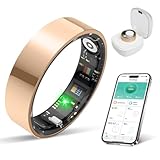
Overview: The BIEMHA Smart Ring in Rose Gold (size 10) delivers comprehensive health tracking in an elegant, discreet form factor. This wearable monitors sleep, exercise, heart rate, and blood pressure while maintaining compatibility with both iOS and Android platforms.
What Makes It Stand Out: Its exceptional 80-meter waterproof rating surpasses most competitors, making it ideal for swimmers and athletes. The 3-5 day battery life extends to over 20 days with the charging case, eliminating frequent recharging hassles. Unlike many health platforms, it requires no subscription fees, providing full access to data and insights upfront.
Value for Money: The ring competes favorably with premium fitness trackers and smart rings, offering continuous health monitoring without recurring costs. The waterproof durability and extended battery options enhance its long-term value, particularly for active users who would otherwise need multiple devices.
Strengths and Weaknesses: Strengths include superior water resistance, long battery life, no subscription requirement, and comprehensive health metrics. Weaknesses involve critical sizing requirements, potential accuracy concerns with blood pressure readings from a finger sensor, and 30-minute measurement intervals that may miss acute events.
Bottom Line: An excellent choice for those seeking discreet, continuous health monitoring without monthly fees. The rose gold finish adds style while the robust waterproofing makes it perfect for swimmers and fitness enthusiasts who prioritize convenience and durability.
3. BIEMHA Smart Ring Health Tracker, Sleep/Exercise Monitoring, iOS/Android Compatible, IP68 Water Resistance, No Subscription Required, 5-Day Battery Life, Suitable for Both Women and Men (Black, 12)
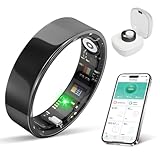
Overview: The BIEMHA Smart Ring in Black (size 12) offers robust health tracking capabilities in a sleek, understated design. This versatile wearable continuously monitors sleep patterns, exercise metrics, heart rate, and blood pressure for users preferring a subtle aesthetic.
What Makes It Stand Out: The device’s remarkable 80-meter waterproof depth rating enables use during intense swimming and water sports where most trackers would fail. Its battery delivers 3-5 days of standard use, expanding beyond 20 days when paired with the smart charging case. The absence of subscription fees provides unrestricted data access, a significant advantage over competing ecosystems.
Value for Money: This ring presents strong value against traditional fitness bands and smartwatches by eliminating ongoing costs while delivering comparable health insights. The professional-grade waterproofing and extended battery capabilities justify the investment for serious athletes and outdoor enthusiasts.
Strengths and Weaknesses: Advantages include exceptional water resistance, prolonged battery options, zero subscription costs, and round-the-clock health monitoring. Drawbacks center on mandatory precise sizing, questionable blood pressure accuracy from finger placement, and intermittent 30-minute health snapshots rather than continuous streams.
Bottom Line: Perfect for users wanting powerful health tracking without drawing attention. The black finish suits professional environments while the extreme waterproofing and battery life support demanding athletic lifestyles. Verify sizing carefully before purchasing to ensure optimal sensor contact and comfort.
4. Smart Ring Health Tracker, Sleep/Exercise Monitoring, iOS /Android Compatible, IP68 Water Resistance, No Subscription Required, 5-Day Battery Life, Suitable for Both Women and Men (Rose Gold, 9)
Overview: The BIEMHA Smart Ring in Rose Gold (size 9) combines elegant jewelry aesthetics with powerful health monitoring technology. This compact wearable tracks sleep quality, exercise performance, heart rate, and blood pressure for fashion-conscious wellness enthusiasts.
What Makes It Stand Out: With an impressive 80-meter waterproof rating, this ring transitions seamlessly from office to ocean. The 3-5 day battery life, extendable to over 20 days with the charging case, ensures uninterrupted data collection. The commitment to no subscription fees means users retain complete ownership of their health data without hidden costs.
Value for Money: The ring offers compelling value by merging style with substance, eliminating recurring fees that plague other platforms. Its durability and extended battery performance make it a cost-effective long-term solution compared to replacing water-damaged trackers or dealing with constant charging.
Strengths and Weaknesses: Pros encompass professional-level waterproofing, exceptional battery longevity, transparent pricing, and comprehensive health metrics. Cons include the necessity of accurate sizing, potential limitations in blood pressure precision from a finger-worn device, and periodic rather than continuous health measurements.
Bottom Line: An attractive option for style-minded individuals seeking serious health tracking capabilities. The rose gold design complements daily wear while the robust feature set satisfies athletic demands. Ensure proper sizing for accurate readings and comfortable all-day wear.
5. Pavlok 3 - Silent Alarm & Wearable Mindfulness Coach for Good Habits - Elevate Mindfulness, Create Good Habits - Track Steps, Activity, and Sleep Patterns

Overview: The Pavlok 3 is a unique wearable mindfulness coach that employs sensory stimuli to break bad habits and reinforce positive behaviors. Designed to clip onto existing smartwatches or function independently, it serves as a constant behavioral modification companion.
What Makes It Stand Out: The device’s signature “zap” feature delivers a mild electric stimulus guaranteed to wake heavy sleepers and disrupt unwanted habits. This aversive conditioning approach, combined with vibration and chime options, creates powerful behavioral interventions. Integrated mindfulness prompts throughout the day encourage present-moment awareness, while comprehensive habit tracking with reward systems motivates long-term change.
Value for Money: For individuals struggling with habit formation where traditional methods have failed, the one-time investment offers lifetime app access without subscription fees. While niche and potentially controversial, its effectiveness for serious behavior modification justifies the cost compared to ongoing therapy or habit-coaching services.
Strengths and Weaknesses: Strengths include innovative stimulus-based conditioning, versatile wearing options, lifetime app access, and proven effectiveness for habit change. Weaknesses involve the controversial nature of electric stimuli, requirement for user commitment, potential discomfort, and awkwardness when clipped to existing watches.
Bottom Line: Best suited for highly motivated individuals seeking aggressive habit intervention. The Pavlok 3 delivers results where gentler methods fail, but its unconventional approach requires dedication. Not for casual users, but invaluable for those ready to commit to serious behavioral transformation.
6. Winkithw Sleep Aid Device, Micro-Current Sleep Instrument Anxiety Device, Portable Rechargeable Sleep Aid for Anxiety and Insomnia (Silver)

Overview: The Winkithw Sleep Aid Device is a micro-current therapy gadget designed to combat anxiety and insomnia through non-invasive brain stimulation. This silver version offers a sleek, modern aesthetic while promising drug-free relief from sleep disturbances and stress-related symptoms. The device targets users seeking natural alternatives to pharmaceutical sleep aids.
What Makes It Stand Out: Its dual-mode functionality sets it apart—switching between low-frequency relaxation for sleep preparation and high-frequency stimulation for daytime focus enhancement. The microcurrent technology targets neurotransmitter regulation in the cerebral cortex, offering a scientific approach to mood balance. Portability is key, with an ergonomic lightweight design perfect for travel, and the upgraded Type-C charging ensures modern convenience across power sources.
Value for Money: Compared to ongoing costs of sleep medication or therapy sessions, this one-time investment provides a reusable solution. The dual-purpose nature (sleep and focus) effectively delivers two devices in one, enhancing its cost-effectiveness for professionals seeking both relaxation and productivity tools. The rechargeable design eliminates replacement battery expenses.
Strengths and Weaknesses: Strengths include its non-invasive methodology, versatile dual modes, rapid charging capability, and excellent portability for multi-scenario use. The 15-20 minute daily commitment is manageable. Weaknesses center on variable efficacy between individuals—microcurrent therapy lacks universal clinical validation. Some users may find the sensation unusual, and consistent daily use is required for noticeable results. The device cannot replace medical treatment for chronic insomnia.
Bottom Line: Ideal for stressed professionals and mild insomnia sufferers seeking drug-free alternatives. While not a guaranteed cure, its portable design and dual functionality make it a worthwhile experiment for those prioritizing natural wellness approaches.
7. Dodow Sleep Aid Device - Over 1 Million Users are Falling Asleep Faster with Dodow!

Overview: The Dodow Sleep Aid Device takes a radically simple approach to insomnia, using a metronome-guided light system to naturally retrain your breathing and calm your mind. With over one million users, this minimalist device promises faster sleep onset without pills, apps, or complicated technology.
What Makes It Stand Out: Its elegance lies in simplicity—projecting a soft blue light onto your ceiling that expands and contracts, guiding you through slowed breathing exercises. This mechanical approach avoids digital distractions and electromagnetic concerns entirely. The device requires no pairing, subscriptions, or battery-draining screens, making it fundamentally different from app-based solutions.
Value for Money: At a fraction of the cost of prescription sleep aids or cognitive therapy, Dodow offers a one-time purchase with zero recurring expenses. Its battery-powered design lasts for months, and the lack of proprietary consumables makes it exceptionally economical. For those seeking low-tech solutions, it delivers remarkable value.
Strengths and Weaknesses: Strengths include its completely natural mechanism, universal usability regardless of tech-savviness, portability, and absence of side effects. The eight- and twenty-minute session options provide flexibility. Weaknesses include reliance on user participation—those unwilling to follow the breathing pattern see minimal benefit. It addresses only sleep onset, not maintenance insomnia, and the blue light may concern light-sensitive individuals despite its low intensity.
Bottom Line: Perfect for overthinkers and those seeking meditation-like sleep support without digital complexity. While not a universal solution, its proven track record and simplicity make it an excellent first-line defense against occasional sleeplessness.
8. Winkithw Sleep Aid Device, Hand Micro-Current Sleep Instrument Anxiety Device, Portable Rechargeable Sleep Aid for Anxiety and Insomnia (Blue) (Blue)
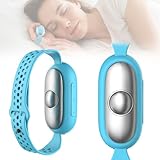
Overview: The Winkithw Sleep Aid Device in blue offers identical functionality to its silver counterpart, providing micro-current therapy for anxiety and insomnia sufferers who prefer a more vibrant aesthetic. This portable device uses gentle cranial stimulation to regulate neurotransmitters, promising natural relief from sleep disturbances.
What Makes It Stand Out: Beyond color preference, the dual-mode system remains its core differentiator—delivering both low-frequency relaxation for nighttime use and high-frequency stimulation for daytime focus. The microcurrent technology offers a drug-free pathway to emotional regulation. Its ergonomic, lightweight form factor excels in portability, while Type-C charging ensures compatibility with modern electronics.
Value for Money: Identical to the silver model, this represents a cost-effective alternative to recurring pharmaceutical costs or therapy fees. The dual-function design effectively provides two wellness tools in one unit, maximizing utility for users needing both stress relief and concentration support. The rechargeable nature eliminates ongoing battery replacement costs.
Strengths and Weaknesses: Strengths mirror the silver version: non-invasive treatment, versatile dual modes, convenient charging, and excellent portability. The blue color may appeal to different aesthetic preferences. Weaknesses include inconsistent results across users, as microcurrent therapy lacks standardized medical endorsement. The sensation requires acclimation, and benefits demand disciplined daily use. It’s unsuitable for severe sleep disorders requiring clinical intervention.
Bottom Line: Choose based on color preference—functionally identical to the silver model. Best suited for mildly affected individuals seeking portable, natural anxiety management. Consider it a supplementary tool rather than a primary treatment, but worthwhile for those exploring non-pharmaceutical options.
9. Owlet Dream Duo (Gen 3) Smart Baby Monitor All-in-One Bundle - 2K HD Video Baby Monitor with Alerts & Owlet Dream Sock Tracks Baby’s Oxygen, Heart Rate & Sleep | Health Insights via App | Bedtime Blue

Overview: The Owlet Dream Duo (Gen 3) represents the pinnacle of baby monitoring technology, combining an FDA-cleared pulse oximetry sock with a 2K HD camera to deliver comprehensive infant health surveillance. This all-in-one system tracks oxygen levels, heart rate, and sleep patterns, transmitting data to a secure smartphone app for continuous parental awareness.
What Makes It Stand Out: Medical-grade monitoring distinguishes it from standard video monitors—providing hospital-level vital sign tracking with real-time alerts when readings leave preset zones. The SGS Cybersecurity Mark ensures video and health data remain protected by 256-bit encryption, addressing modern privacy concerns. Predictive Sleep Technology analyzes patterns to optimize nap schedules, reportedly improving sleep for 94% of parents.
Value for Money: While premium-priced, the Dream Duo replaces multiple devices (audio monitor, video monitor, movement tracker) and provides clinical-grade data that could prevent emergencies. For anxious parents or infants with health concerns, the peace of mind justifies the investment compared to less sophisticated alternatives or medical equipment rental. The all-in-one design eliminates need for separate purchases.
Strengths and Weaknesses: Strengths include FDA clearance, exceptional video quality, robust cybersecurity, and predictive analytics that genuinely improve family routines. The integrated app centralizes all data elegantly. Weaknesses involve the high price point, potential for parental anxiety from constant monitoring, and possible subscription requirements for full features. The sock requires proper fit for accurate readings and regular charging.
Bottom Line: Essential for parents of newborns with health concerns or those seeking maximum peace of mind. While overkill for low-risk infants, its medical credibility and security features make it the gold standard in connected nursery technology.
10. Fitness Tracker with 24/7 Heart Rate Blood Oxygen Sleep Monitor,Activity Tracker with 1.1" AMOLED Touch Color Screen, Multiple Sport Modes Step Counter,IP68 Waterproof for Women Men (Dark Black)

Overview: This fitness tracker delivers comprehensive health monitoring in a budget-friendly package, featuring 24/7 heart rate and blood oxygen tracking alongside detailed sleep analysis. The 1.1" AMOLED color touchscreen provides vibrant visuals while supporting over 70 customizable watch faces.
What Makes It Stand Out: The combination of continuous health monitoring with extensive sport modes (25 total) covers nearly all fitness activities. IP68 waterproofing allows swimming and showering without removal. The ability to use personal photos as watch faces adds meaningful customization rarely found at this price point. Social message integration keeps you connected without checking your phone.
Value for Money: This tracker significantly undercuts premium brands while delivering comparable core health metrics. The inclusion of SpO2 monitoring, AMOLED display, and waterproofing at a budget price represents exceptional value. For cost-conscious fitness enthusiasts, it provides professional-grade tracking without subscription fees or premium upsells.
Strengths and Weaknesses: Strengths include comprehensive health monitoring, bright AMOLED display, extensive sport tracking, strong waterproof rating, and deep customization options. Battery life typically lasts several days. Weaknesses involve potential accuracy variations compared to medical-grade devices, limited third-party app integration, and basic smartwatch functionality. The companion app may lack the polish of premium alternatives, and notifications can be intrusive if not managed properly.
Bottom Line: An impressive entry-level fitness tracker that punches above its weight class. Ideal for beginners and intermediate users wanting robust health insights without breaking the bank. Accept minor compromises in exchange for outstanding feature-to-price ratio.
Contactless Sleep Sensing Technology
The most significant breakthrough in recent sleep monitoring is the move away from physical devices you must wear or touch. Contactless technology uses advanced sensors to monitor your sleep from a distance, eliminating discomfort and compliance issues that plagued earlier generations.
Radar-Based Movement Detection
Millimeter-wave radar systems emit ultra-low-power radio waves that detect subtle movements, breathing patterns, and even heart rate variability without any physical contact. These sensors can distinguish between a sleeping partner, pets, and your own biometric signals with remarkable precision. The technology works through bedding and at various angles, making placement flexible and unobtrusive. When evaluating radar-based systems, look for devices with adjustable sensitivity settings to account for different room sizes and bed types.
Environmental Factor Integration
Next-generation contactless monitors don’t just track your body—they analyze your entire sleep environment. These systems measure room temperature, humidity, light levels, air quality, and ambient noise throughout the night, correlating environmental changes with sleep stage disruptions. Advanced models can even detect carbon dioxide buildup and volatile organic compounds that might be affecting your breathing. This holistic approach helps identify whether your morning grogginess stems from your physiology or your bedroom conditions.
Privacy-First Monitoring Approaches
Unlike camera-based systems that raise legitimate privacy concerns, modern contactless sensors use anonymous signal processing that can’t capture visual images or audio recordings. Look for devices that process data locally on the device rather than streaming video to the cloud. Some systems use edge computing to analyze your sleep patterns in real-time without storing identifiable information, giving you full control over what data leaves your bedroom.
Wearable Evolution in Sleep Science
While contactless technology dominates headlines, wearables have evolved dramatically to address their primary drawback: user comfort. The latest generation prioritizes invisibility and extended wearability over flashy screens and features.
Non-Intrusive Form Factors
The most advanced sleep wearables in 2026 resemble jewelry or medical-grade adhesives rather than traditional fitness trackers. Ring-based sensors weigh less than a conventional wedding band but pack multiple biometric sensors. Patch-style devices adhere to your skin like a temporary tattoo, measuring everything from blood oxygen to cortisol levels through sweat analysis. When choosing a form factor, consider your skin sensitivity and whether you tend to remove jewelry during sleep.
Multi-Biometric Data Collection
Today’s wearables simultaneously track dozens of physiological markers beyond simple heart rate. Look for devices that monitor peripheral temperature fluctuations, galvanic skin response, blood oxygen saturation, respiratory rate, and even blood pressure trends throughout the night. The most sophisticated options include optical sensors that can detect hydration levels and electrolyte balance, providing early warnings about dehydration that could disrupt your sleep cycles.
Battery Life Breakthroughs
The Achilles’ heel of sleep wearables has always been battery life, but 2026 devices feature energy harvesting technology that converts body heat and movement into power. Some models can operate for months without charging, while others use wireless charging pads that you simply place near your bed. When comparing options, prioritize devices with at least two weeks of continuous operation or those that charge during brief morning routines without requiring overnight charging.
Under-Mattress Innovation
The space beneath your mattress has become prime real estate for sleep technology, with ultra-thin sensor arrays that slide between your bed frame and mattress, becoming completely invisible to the user.
Pressure Mapping Capabilities
Advanced under-mattress systems create dynamic pressure maps that track not just movement but sleep posture and spinal alignment throughout the night. These sensors can identify if you’re spending too much time on your stomach or if your pillow height is causing neck strain. High-resolution pressure mapping helps detect subtle tossing and turning that indicates discomfort, allowing you to adjust your mattress firmness or pillow configuration for optimal support.
Vibration Pattern Analysis
Sophisticated accelerometers in under-mattress systems detect micro-vibrations from your heartbeat and breathing with such sensitivity that they can identify arrhythmias or sleep apnea events without chest straps. The technology filters out larger movements to isolate these tiny signals, providing medical-grade respiratory monitoring. Look for systems that can differentiate between obstructive and central sleep apnea patterns, as this distinction is crucial for proper health guidance.
Temperature Regulation Integration
The most revolutionary under-mattress devices now include active heating and cooling elements that adjust your bed’s surface temperature in response to your sleep stages. These systems can warm your feet to help you fall asleep faster, cool your core during deep sleep to enhance recovery, and gradually warm you before your alarm to ease waking. When evaluating these features, check for dual-zone controls if you share your bed and ensure the temperature range suits your climate preferences.
Smart Bedding Ecosystems
Your sheets, pillows, and blankets are getting their own technological upgrades, transforming passive bedding into an active sleep optimization system.
Adaptive Fabric Technologies
Smart textiles woven with conductive fibers can now monitor skin temperature, moisture levels, and even subtle electrical signals from your body. These fabrics feel identical to high-thread-count cotton but function as distributed sensor networks. The most advanced versions adjust their breathability based on your body heat, opening microscopic ventilation channels when you start to overheat. When shopping for smart bedding, verify that the conductive elements are fully encapsulated and washable without degradation.
Embedded Microsensor Networks
Rather than a single sensor point, modern smart bedding uses dozens of micro-sensors distributed throughout the fabric. This network approach provides redundancy—if one sensor fails, others compensate—and enables localized monitoring of different body parts. The network can detect if your hands get cold during REM sleep or if your core temperature drops too quickly, triggering environmental adjustments. Look for bedding with modular sensor zones that can be replaced individually if needed.
Self-Learning Comfort Adjustment
The most sophisticated smart bedding systems use machine learning to adjust their properties based on your sleep quality data. After a learning period of 1-2 weeks, these systems automatically modify firmness, temperature, and support in specific zones. For example, they might increase lumbar support on nights when your back pain correlates with poor sleep. Evaluate whether these systems allow manual override, as automatic adjustments might occasionally conflict with your preferences.
AI-Powered Sleep Coaching
Raw data means nothing without actionable insights, and 2026’s artificial intelligence transforms overwhelming metrics into personalized guidance.
Personalized Pattern Recognition
Modern sleep AI doesn’t just compare you to population averages—it builds a unique baseline from your own data over time. The system learns that your heart rate variability naturally drops on Sunday nights or that your deep sleep increases after weight training days. This personalized baseline makes alerts more meaningful, flagging only genuine anomalies rather than normal variations. When assessing AI coaching features, prioritize systems that explain their reasoning, showing you the specific data points that triggered a recommendation.
Predictive Disruption Alerts
The most advanced AI can predict sleep disruptions before they happen by recognizing precursor patterns. It might notice that your respiratory rate variability increases and your skin temperature drops two nights before you typically experience insomnia. These systems then suggest interventions—like adjusting your evening meal timing or room temperature—to prevent the predicted disruption. Look for coaching systems that integrate with your calendar and travel schedule to anticipate jet lag or stress-related sleep changes.
Holistic Wellness Integration
Sleep AI in 2026 connects with your broader health ecosystem, correlating sleep quality with nutrition, exercise, medication timing, and even social activity. The system might discover that your deep sleep improves on days when you consume omega-3 fatty acids or that your REM sleep suffers after intense evening workouts. Effective integration requires compatibility with popular health platforms, so verify that any device you’re considering can share data bidirectionally with your existing apps.
Circadian Rhythm Optimization
Understanding your internal body clock has become central to sleep science, with devices that actively work to keep your circadian rhythms aligned.
Light Exposure Management
Advanced sleep systems now include personalized lighting controls that adjust not just brightness but wavelength throughout the day. Morning light uses specific blue wavelengths to suppress melatonin and increase alertness, while evening lighting shifts to amber and red spectrums that don’t disrupt your natural sleep hormones. Some systems even simulate dawn and dusk light cycles to maintain rhythm stability. When evaluating these features, check for gradual transition capabilities and whether the system accounts for your geographic location and season.
Personalized Sleep Scheduling
Rather than enforcing a rigid 10 PM bedtime, modern trackers calculate your optimal sleep window based on your chronotype, daily activity, and circadian markers. The system might recommend a later bedtime on days when your body temperature hasn’t dropped enough for sleep onset. These dynamic schedules adapt to social jet lag—when your weekend and weekday schedules differ significantly—gradually shifting your rhythm to minimize Monday morning sleep inertia.
Jet Lag Prevention Systems
For frequent travelers, 2026 sleep technology offers pre-emptive jet lag mitigation that begins days before your flight. The system gradually shifts your light exposure, meal timing, and sleep schedule to match your destination timezone. During travel, wearable components provide timed light therapy and alertness recommendations. Look for systems that integrate with flight booking data and can handle multi-timezone trips with complex itineraries.
Sleep Environment Control
The most effective sleep optimization happens not just through tracking but by actively modifying your bedroom environment in real-time.
Air Quality Monitoring
Beyond simple temperature, advanced systems now track particulate matter, CO2 levels, humidity, and airborne chemicals. High CO2 levels during sleep can cause morning headaches and grogginess, while low humidity exacerbates snoring. The best systems connect to smart HVAC or air purifiers, automatically maintaining optimal air composition. When comparing options, prioritize devices with multiple air sampling points and the ability to distinguish between indoor and outdoor pollution sources.
Soundscape Engineering
Modern sleep technology doesn’t just block noise—it actively shapes your acoustic environment. Systems analyze ambient sound patterns and generate personalized masking noises that adapt to your sleep stages. During deep sleep, the system might use specific pink noise frequencies to enhance slow-wave activity. As you approach wake time, it introduces subtle nature sounds that gradually bring you to lighter sleep stages. Evaluate whether sound libraries include binaural beats and isochronic tones, which some research suggests can influence brainwave patterns.
Climate Zone Customization
Dual-zone climate control has evolved beyond simple temperature splits to create distinct microclimates for different body parts. Your feet might receive gentle warming while your head stays cool, optimizing overall thermal comfort. Some systems even adjust based on your sleep stage—cooling your core during deep sleep to enhance growth hormone release while warming extremities to maintain circulation. Look for systems with rapid response times and the ability to pre-condition your bed before you get in.
Data Privacy and Security
With bedrooms becoming data collection hubs, privacy has emerged as a critical feature rather than an afterthought.
Local Processing Capabilities
The most privacy-conscious devices perform all analysis on local hardware, transmitting only anonymized insights to your phone. These systems use edge computing to run complex AI algorithms without sending raw biometric data to cloud servers. This approach not only protects privacy but also reduces latency, allowing real-time adjustments. When reviewing privacy features, investigate whether raw data ever leaves the device and what encryption standards protect any transmitted information.
Encrypted Cloud Storage Options
For those who want cloud backup without privacy risks, 2026 devices offer zero-knowledge encryption where only you hold the decryption key. Even the service provider cannot access your sleep data, protecting it from breaches and unauthorized access. Some systems use blockchain-based verification to ensure data integrity. Verify that encryption happens before data leaves your device and that you can revoke cloud access instantly while retaining local functionality.
User-Controlled Data Sharing
Revolutionary sleep trackers now give you granular control over data sharing, allowing you to specify exactly which metrics go to which apps or healthcare providers. You might share heart rate variability with your cardiologist but keep movement patterns private. Look for systems with time-limited sharing permissions and the ability to create anonymized datasets for research participation without revealing your identity.
Making Your Decision
With so many revolutionary technologies available, selecting the right sleep optimization system requires careful consideration of your specific needs and lifestyle.
Assessing Your Sleep Goals
Before investing, clearly define what you want to improve. Are you struggling with sleep onset, frequent awakenings, or non-restorative sleep? Do you suspect a sleep disorder or simply want to optimize recovery for athletic performance? Your goals determine which features matter most—someone with insomnia needs different capabilities than an athlete tracking recovery. Create a priority list of health concerns and match them to device capabilities rather than being swayed by impressive but irrelevant features.
Compatibility with Your Lifestyle
Consider your daily routines and living situation. Contactless systems work best for couples and those who dislike wearing devices. Wearables suit people who want 24/7 health monitoring beyond sleep. Under-mattress systems require specific bed types and may not work with adjustable bases. Smart bedding needs regular washing, so check durability claims. Evaluate whether the device’s app integrates with your existing health ecosystem and if the coaching style matches your personality—some people prefer gentle nudges while others want direct commands.
Budget Considerations
Sleep technology ranges from affordable single-sensor devices to comprehensive ecosystems costing thousands. Consider total cost of ownership, including subscription fees for AI coaching, replacement parts for wearable sensors, and energy costs for climate control systems. Some premium features provide marginal benefits for average users. Determine which capabilities offer genuine value for your situation—invest in medical-grade apnea detection if you have risk factors, but skip it if you simply want better sleep hygiene insights.
Frequently Asked Questions
How accurate are contactless sleep trackers compared to wearables? Modern contactless systems using radar technology achieve accuracy rates within 3-5% of medical polysomnography for basic metrics like sleep duration and breathing rate. However, wearables still provide superior heart rate variability and blood oxygen data due to direct skin contact. For most users, the difference is negligible, but those monitoring specific cardiac or respiratory conditions may benefit from hybrid approaches that combine both technologies.
Do I need a prescription for advanced sleep tracking devices? Most consumer sleep trackers are available over-the-counter and don’t require medical prescriptions. However, devices that claim to diagnose sleep disorders like apnea must be FDA-cleared or CE-marked as medical devices. If a device advertises diagnostic capabilities, verify its regulatory status. For general wellness and optimization, prescription requirements are rare, though some insurance plans may cover medically necessary devices with doctor authorization.
How long does it take for AI sleep coaching to become effective? AI systems typically require 7-14 nights to establish your personal baseline and begin providing meaningful insights. However, the coaching becomes progressively more accurate over 30-90 days as it learns your patterns across different days of the week, seasons, and life events. Most users report noticeable improvements in sleep quality within 2-3 weeks, but optimal personalization develops over several months of consistent use.
Can sleep trackers really help with insomnia? Clinical studies show that CBT-I (Cognitive Behavioral Therapy for Insomnia) integrated with sleep tracking data improves outcomes by 30-40% compared to therapy alone. The key is using trackers to identify triggers and measure intervention effectiveness rather than becoming obsessed with nightly scores. However, trackers alone rarely cure insomnia—they’re most effective when combined with professional guidance and behavioral changes.
Will smart bedding interfere with pacemakers or other medical implants? Modern smart bedding uses extremely low-power sensors and passive conductive fibers that generate minimal electromagnetic fields, typically well below levels that could interfere with medical devices. However, active heating elements and wireless charging systems may produce stronger fields. Always consult your cardiologist or device manufacturer, and look for bedding specifically certified as safe for use with implantable medical devices.
How do I clean and maintain smart bedding and under-mattress sensors? Most smart bedding with embedded sensors is fully machine washable on gentle cycles, with conductive fibers sealed in waterproof coatings. Manufacturers typically guarantee performance for 100-200 wash cycles. Under-mattress sensors require no cleaning but should be protected from spills with waterproof covers. Always follow specific care instructions, as harsh detergents or high heat can damage sensor connections.
Can sleep technology replace a formal sleep study? Consumer sleep trackers cannot replace clinical polysomnography for diagnosing sleep disorders. However, FDA-cleared medical-grade home sleep apnea tests that use similar technology can be prescribed as alternatives to lab studies for specific conditions. If you suspect a serious sleep disorder, use trackers as screening tools to discuss with your doctor, but don’t rely on them for definitive diagnosis.
What happens to my sleep data if the company goes out of business? Reputable companies offer data export features that allow you to download your complete dataset in standard formats like CSV or JSON. Some newer platforms use decentralized storage where you control your data regardless of company status. Before purchasing, verify the company’s data portability policy and test the export function early in your ownership to ensure you can retrieve your historical data.
Are there any health risks from long-term exposure to sleep monitoring radiation? Contactless sleep trackers using radar or low-energy Bluetooth emit non-ionizing radiation at power levels thousands of times below safety limits set by international health organizations. The exposure is comparable to having a Wi-Fi router in your bedroom. If concerned, choose devices that transmit data in short bursts rather than continuous streaming, or opt for wearables that store data locally and sync only when you initiate it.
How do I prevent becoming obsessed with sleep data? Sleep experts recommend checking your data no more than 2-3 times per week rather than daily. Focus on weekly trends rather than nightly variations, and remember that sleep naturally fluctuates. Set the app to show simplified insights rather than overwhelming metrics, and use the coaching features to receive actionable advice instead of raw numbers. If you find yourself anxious about your sleep score, take a break from tracking for a week to reestablish a healthy relationship with sleep.
See Also
- 10 Premium Sleep Tracking Devices for Bedtime Routine Optimization (Worth the Investment)
- The 10 Best Sleep Tracking Devices for Bedtime Every Insomniac Needs This Year
- How to Solve Poor Sleep Quality with the 10 Best Sleep Tracking Devices for Bedtime in 2026
- 10 Expert-Recommended Sleep Tracking Devices for Bedtime Routine Optimization in 2026
- 10 Sleep Tracking Devices for Bedtime That Solve Midnight Awakenings in 2026