Table of Contents
Have you ever felt your heart skip, flutter, or race unexpectedly? That unsettling sensation could signal an irregular heartbeat, a condition affecting millions yet often going unnoticed until it escalates. In today’s fast-paced world, where heart health risks are increasingly prevalent, continuous monitoring isn’t just convenient—it’s potentially life-saving. Wearable ECG technology has transformed from clinical curiosity into an accessible everyday tool, empowering individuals to take proactive control of their cardiac wellness. But with so many options flooding the market, how do you navigate the sea of features without getting lost in technical jargon or false promises?
The stakes couldn’t be higher. Undetected arrhythmias like atrial fibrillation can silently increase stroke risk, while even benign palpitations might indicate underlying stress or lifestyle imbalances. Modern ECG wearables bridge the gap between occasional doctor visits and round-the-clock vigilance, offering peace of mind through real-time data. Yet not all devices deliver equally reliable insights or seamless integration into your routine. Choosing the wrong one might leave you with confusing alerts, uncomfortable wear, or—worse—false reassurance. This guide cuts through the noise to focus on what truly matters: how to select a wearable that aligns with your health goals, fits your lifestyle, and provides clinically meaningful information you can trust.
Top 10 ECG Tracking Wearables
Detailed Product Reviews
1. WHOOP Life – 12-Month Membership – MG Device – Health & Fitness Tracker – Blood Pressure Insights, Activity Tracking – ECG Software – 14+ Days Battery Life

Overview: The WHOOP Life bundle delivers a holistic health-tracking ecosystem centered on its MG sensor, promising continuous physiological monitoring beyond basic fitness metrics. It targets data-driven individuals seeking deep insights into recovery, sleep, and cardiovascular health through a subscription model. What Makes It Stand Out: WHOOP excels with continuous, passive monitoring of sleep stages, strain, recovery, VO2 max, and pioneering blood pressure insights (not clinical readings). Its 14+ day battery life via the PowerPack and on-demand ECG for AFib screening within the WHOOP Life membership offer unparalleled convenience and breadth compared to spot-check devices. Value for Money: At a premium price inclusive of hardware and a mandatory 12-month membership, it’s costly upfront. However, the comprehensive data suite—especially blood pressure trends and ECG—provides exceptional value for serious athletes or health optimizers compared to buying separate trackers, though alternatives exist for singular metrics. Strengths and Weaknesses: Strengths: Truly continuous monitoring, long battery life, rich recovery/sleep analytics, discreet wearable design. Weaknesses: Blood pressure is indicative only (not diagnostic), no screen, subscription lock-in required, expensive. Lacks immediate actionable ECG results like dedicated devices. Bottom Line: Ideal for dedicated users prioritizing long-term health trends and recovery optimization over clinical diagnostics; the bundled membership justifies the cost for committed users, but casual users may find it overly complex and expensive.
2. KardiaMobile 6L EKG Monitor, Medical-Grade, FDA-Cleared Heart Monitor, 6 Views of The Heart, Results in 30 Seconds, Unlimited Recordings, Works with Smartphones, HSA&FSA Eligible, Pocket-Size
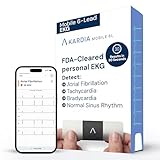
Overview: The KardiaMobile 6L is a pocket-sized, FDA-cleared personal ECG monitor designed for at-home heart rhythm assessment, offering medical-grade 6-lead recordings to detect common arrhythmias quickly and reliably. What Makes It Stand Out: Its key differentiator is capturing six times more cardiac data than single-lead devices in 30 seconds, providing detailed views comparable to clinical settings. The ability to email unlimited reports directly to doctors and its status as the “#1 Cardiologist Recommended” brand underscore its clinical credibility and ease of use. Value for Money: Priced competitively for a medical-grade 6-lead device, it offers tremendous value as a standalone tool (no mandatory subscription). While the optional KardiaCare subscription adds advanced features, the core functionality justifies the cost for those needing reliable, detailed ECGs, especially given FSA/HSA eligibility. Strengths and Weaknesses: Strengths: Medical-grade 6-lead accuracy, rapid 30-second results, no mandatory subscription, portable, FSA/HSA eligible, doctor-recommended. Weaknesses: Requires finger/knee placement (less convenient than wearables), basic app features without KardiaCare, Bluetooth dependency. Bottom Line: A top-tier, clinically validated choice for anyone needing detailed, on-demand ECGs for arrhythmia monitoring; its accuracy, portability, and lack of required subscription make it highly recommended for heart health-conscious individuals.
3. EMAY Portable ECG Monitor | Record ECG and Heart Rate | Compatible with Smartphone and PC

Overview: The EMAY Portable ECG Monitor is an entry-level, OTC device for at-home heart rhythm and rate tracking, connecting to smartphones or PCs to provide basic Lead I ECG recordings for personal health awareness. What Makes It Stand Out: Its affordability and dual connectivity (Bluetooth to phone, USB to PC) cater to budget-conscious users seeking simple ECG logging without recurring fees. The included PC/mobile software allows for case storage and review, offering more data management than some ultra-basic single-lead competitors. Value for Money: As one of the most cost-effective options, it delivers solid value for users needing occasional, non-diagnostic ECG checks. The lack of any subscription is a major plus versus some competitors, though the single-lead data is significantly less comprehensive than multi-lead devices like the KardiaMobile 6L. Strengths and Weaknesses: Strengths: Very affordable, no subscription costs, PC compatibility, rechargeable battery, simple OTC use. Weaknesses: Only Lead I (limited data), not for diagnostic use, basic features compared to medical-grade devices, pacemaker incompatibility warning. Bottom Line: A functional, no-frills option for basic personal heart rate and rhythm tracking on a budget; suitable for casual monitoring but not recommended for those requiring clinical detail or arrhythmia diagnosis support.
4. KardiaMobile 1-Lead EKG Monitor, Medical-Grade FDA-Cleared Personal Heart Monitor, Detects Normal, AFib & Arrhythmias, Unlimited Recordings, 30 Second Results, Works with most Smartphones, Pocket-size
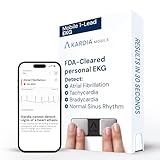
Overview: The KardiaMobile 1-Lead is a compact, FDA-cleared personal ECG device focused on simplicity, providing rapid 30-second heart rhythm checks to detect AFib, bradycardia, tachycardia, and normal sinus rhythm. What Makes It Stand Out: Its ultra-portability (under 1 oz), ease of use (just place thumbs on sensors), and immediate results make it ideal for quick checks anywhere. The free app enables unlimited recordings and sharing with doctors, while its cardiologist endorsement reinforces reliability for core arrhythmia detection. Value for Money: Excellent value as a dedicated, single-purpose AFib screener. The absence of a mandatory subscription for basic functionality (unlike WHOOP) and FSA/HSA eligibility enhance affordability. It’s significantly cheaper than the 6L but offers less diagnostic data, making it perfect for specific, common arrhythmia checks. Strengths and Weaknesses: Strengths: Extremely portable, simple one-touch operation, FDA-cleared, no subscription needed for core use, FSA/HSA eligible, rapid results. Weaknesses: Single-lead data limits insight, cannot replace multi-lead diagnostics, basic results without KardiaCare subscription. Bottom Line: The best choice for straightforward, on-the-go AFib and common arrhythmia screening; unmatched convenience and reliability for its specific purpose, highly recommended for targeted heart rhythm monitoring.
5. EMAY 6L Portable ECG Monitor | Record ECG and Heart Rate in 6 Channels | Compatible with Smartphone and PC | No Subscription Required

Overview: The EMAY 6L is an OTC portable ECG monitor claiming 6-channel recording capability, aiming to provide multi-lead heart data at home via smartphone or PC connection without recurring fees. What Makes It Stand Out: Its primary appeal is offering 6-channel ECG recording—a feature typically found in pricier medical devices—coupled with a strict “no subscription required” policy. Dual connectivity (Bluetooth/USB) and PC software for data management cater to users wanting detailed home tracking without ongoing costs. Value for Money: Positioned as a cost-effective alternative to the KardiaMobile 6L by eliminating subscriptions, it offers compelling value for budget-focused users needing multi-lead data. However, the lack of explicit FDA clearance (unlike Kardia) and brand recognition may raise questions about clinical validation despite the feature set. Strengths and Weaknesses: Strengths: 6-channel recording, no subscription fees, PC compatibility, rechargeable battery, affordable. Weaknesses: OTC use only (not diagnostic), unclear clinical validation compared to Kardia, pacemaker warnings, likely less refined software/app experience. Bottom Line: A promising, budget-friendly option for multi-lead ECG tracking where clinical-grade certification isn’t paramount; recommended for cost-conscious users prioritizing data volume over established medical credibility, but verify suitability with a doctor.
6. KardiaMobile 6L Max EKG Monitor, FDA-Cleared Heart Monitor, Medical-Grade Results in 30 Seconds, Unlimited Recordings, Works with Smartphones and Tablets, Includes One-Year KardiaCare Subscription

Overview: The KardiaMobile 6L Max is a portable, FDA-cleared EKG monitor delivering medical-grade, six-lead heart rhythm analysis in 30 seconds. Designed for individuals managing heart health or seeking proactive monitoring, it pairs with smartphones/tablets and includes a one-year KardiaCare subscription for enhanced features.
What Makes It Stand Out: Its six-lead capability provides significantly more data than single-lead competitors, detecting six common arrhythmias including AFib and Bradycardia. The included KardiaCare subscription enables automatic email sharing of results to doctors and offers quarterly free reviews by board-certified cardiologists—detecting up to 20 arrhythmias with 24-hour turnaround.
Value for Money: Priced competitively against basic two-lead monitors, the six-lead accuracy and bundled KardiaCare (typically $100/year) justify the premium. It eliminates recurring costs for the first year and surpasses cheaper alternatives in diagnostic depth, though long-term value depends on renewing KardiaCare.
Strengths and Weaknesses: Strengths: Unmatched portability with clinical-grade data; seamless doctor communication; comprehensive arrhythmia detection. Weaknesses: KardiaCare activation is mandatory (even with the free year), causing initial confusion; subscription required for full functionality post-trial; no standalone device use.
Bottom Line: An exceptional tool for serious heart health monitoring, offering near-clinical accuracy at home. Ideal for those with arrhythmia concerns or doctor-recommended tracking, though subscription dependency slightly dims its appeal for casual users.
7. WITHINGS ScanWatch 2 - Women’s Men’s Health Smartwatch, ECG, SpO2, Temperature, Sleep Tracking, Respiratory Health, Waterproof, 30-Day Battery, 30-Day Battery, Android & iOS

Overview: The Withings ScanWatch 2 merges classic analog aesthetics with advanced health tracking. This hybrid smartwatch delivers medical-grade ECG, SpO2, temperature, and 35-day battery life, targeting users who prioritize long-term health insights without sacrificing style or frequent charging.
What Makes It Stand Out: Its standout feature is the 35-day battery life—tripling most competitors—enabling uninterrupted sleep and respiratory tracking. The medical-grade ECG detects AFib, while HealthSense OS uses on-device AI for precise metrics like sleep apnea detection. The sapphire-glass stainless steel build ensures durability alongside timeless design.
Value for Money: Positioned as a premium health device, its price reflects clinical-grade sensors and exceptional battery life. It outperforms cheaper smartwatches in accuracy and longevity but lacks robust smart features (e.g., app ecosystems). The inclusion of a one-month Withings+ trial adds initial value, though long-term subscription costs apply.
Strengths and Weaknesses: Strengths: Industry-leading battery life; accurate, multi-parameter health tracking; elegant hybrid design; robust build quality. Weaknesses: Limited smartwatch functionality; subscription needed for advanced analytics; no onboard GPS (relies on phone).
Bottom Line: A top-tier investment for health-focused users seeking reliable, long-term physiological data without daily charging hassles. Best suited for those prioritizing medical insights over smart features, though the subscription model affects ongoing value.
8. Fitbit Charge 6 Fitness Tracker with Google apps, Heart Rate on Exercise Equipment, 6-Months Premium Membership Included, GPS, Health Tools and More, Obsidian/Black, One Size (S & L Bands Included)
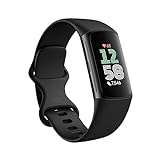
Overview: Fitbit’s Charge 6 refines the fitness band formula with Google integration, built-in GPS, and a 6-month Premium membership. It targets active users wanting seamless smart features alongside core health tracking, including heart rate monitoring during gym equipment use.
What Makes It Stand Out: Deep Google integration is key: turn-by-turn Google Maps navigation and Google Wallet payments work directly from the wrist. The 6-month Premium membership unlocks advanced analytics like Daily Readiness Scores and Wellness Reports, typically a paid upgrade. Built-in GPS and on-screen workout guidance further enhance its utility.
Value for Money: The bundled Premium membership (usually $80) offsets the premium price versus older models. While rivals like Garmin offer similar tracking, Google’s ecosystem integration adds unique convenience. However, the membership ends after six months, requiring renewal for continued access to deeper insights.
Strengths and Weaknesses: Strengths: Excellent Google app integration; valuable Premium trial; accurate GPS and heart rate; comfortable dual-band design. Weaknesses: Premium features expire post-trial; limited third-party app support; no onboard music storage.
Bottom Line: A compelling upgrade for Google ecosystem users and fitness newcomers, thanks to its navigation tools and included Premium trial. Best for those committed to leveraging the trial period, but less appealing if long-term Premium costs deter.
9. Fitbit Sense 2 Advanced Health and Fitness Smartwatch with Tools to Manage Stress and Sleep, ECG App, SpO2, 24/7 Heart Rate and GPS, Shadow Grey/Graphite, One Size (S & L Bands Included)

Overview: Fitbit’s Sense 2 is a premium health-focused smartwatch emphasizing stress management, sleep optimization, and cardiac health. It combines ECG, SpO2, and continuous heart rate tracking with tools like cEDA sensors for stress detection, targeting wellness-conscious users.
What Makes It Stand Out: Its holistic stress management suite—including all-day cEDA tracking, Stress Management Scores, and guided mindfulness sessions—is unmatched in mainstream wearables. The ECG app (FDA-cleared for AFib detection) and Sleep Profile offer clinical-grade insights, while Google Wallet/Maps integration adds daily utility.
Value for Money: Priced higher than basic trackers, it justifies cost with advanced health tools absent in rivals like Samsung. The 6-day battery and 6-month Premium trial (implied by series positioning) add initial value, though long-term Premium fees apply. Cheaper alternatives lack its stress/sleep depth.
Strengths and Weaknesses: Strengths: Comprehensive stress/sleep analytics; FDA-cleared ECG; useful Google integrations; strong battery life. Weaknesses: Premium subscription needed for full features; Alexa/Google Assistant less robust than competitors; no blood pressure monitoring.
Bottom Line: A leader in mental and cardiac wellness tracking, ideal for users prioritizing stress reduction and sleep quality. The Premium dependency slightly limits value, but its health depth makes it a standout for proactive well-being management.
10. EnergyPort Smart Bracelet with Blood Oxygen/Blood Pressure Monitor, 60-Day Battery Health Fitness Tracker with 2 Bands,Lifetime Membership,Activity Tracking Heart Rate Sleep Monitor for Android iOS

Overview: The EnergyPort Smart Bracelet emphasizes extreme battery life (60 days) and lightweight design for continuous health and fitness tracking. It promises 170+ workout modes, 24/7 health monitoring, and a “lifetime membership” for its app, targeting budget-conscious users wanting minimal charging.
What Makes It Stand Out: Its 60-day battery life dwarfs competitors, while the feather-light 25g design ensures all-day comfort. The dual-band system (nylon/silicone) and 1ATM waterproofing support true 24/7 wear. The “lifetime membership” for app access—uncommon in the industry—eliminates recurring fees.
Value for Money: At a mid-range price, the lifetime app access and exceptional battery offer strong value versus subscription-dependent rivals. However, health metrics (blood pressure, SpO2) lack medical validation, making it less reliable than premium devices. Ideal for casual users prioritizing convenience over clinical accuracy.
Strengths and Weaknesses: Strengths: Unbeatable battery life; ultra-lightweight comfort; lifetime app access; versatile sport modes. Weaknesses: Health metrics lack medical certification; build quality feels less premium; limited smart features (e.g., no voice assistant).
Bottom Line: A practical, low-maintenance tracker for fitness enthusiasts seeking long battery life and zero subscription costs. Avoid if you need medical-grade data, but excellent for general activity/sleep tracking with hassle-free longevity.
Understanding Heart Rhythm Monitoring Basics
What Qualifies as an Irregular Heartbeat
An irregular heartbeat, clinically termed arrhythmia, encompasses rhythms that are too fast (tachycardia), too slow (bradycardia), or simply erratic. It’s not always dangerous—many experience harmless palpitations after caffeine or stress—but persistent irregularities can signal conditions like atrial fibrillation, which demands medical attention. Recognizing the difference between fleeting anomalies and patterns requiring intervention is the first step toward informed monitoring.
Why Continuous Tracking Outperforms Occasional Checks
Spot-checking your pulse or using occasional clinic ECGs misses transient episodes that occur unpredictably. Continuous wearables capture fleeting arrhythmias during sleep, exercise, or stress—moments you’d never catch otherwise. This longitudinal view reveals hidden triggers and frequency patterns, giving healthcare providers a comprehensive picture instead of fragmented snapshots.
The Critical Role of Early Detection
Many serious cardiac events evolve from undetected irregularities. Early identification of rhythms like AFib allows for timely treatment, slashing stroke risk by up to 70% through medication or lifestyle changes. Wearables act as your 24/7 sentinel, turning passive health management into active prevention before symptoms escalate.
Decoding ECG Technology in Wearables
How Single-Lead ECG Sensors Function
Unlike hospital-grade 12-lead ECGs, wearables typically use simplified single-lead systems. By placing fingers on designated sensors or wearing a chest-strap device, your skin completes an electrical circuit that maps the heart’s electrical activity. While less comprehensive than medical ECGs, these readings effectively detect common arrhythmias when used correctly.
Accuracy Factors Every User Should Know
Accuracy hinges on proper placement, stillness during measurements, and skin contact quality. Sweat, movement, or incorrect positioning can distort results. Look for devices with real-time guidance that confirms signal validity—this minimizes false positives and ensures the data you review actually reflects your heart’s rhythm.
Regulatory Standards for Consumer Devices
Not all wearables meet clinical standards. Prioritize FDA-cleared or CE-marked devices, which undergo rigorous validation against medical ECGs. These certifications verify the technology reliably identifies specific arrhythmias like AFib, distinguishing trustworthy tools from wellness-focused gadgets with unproven claims.
Essential Features for Reliable Monitoring
Real-Time Alerts vs. Passive Tracking
Some devices notify you instantly of detected irregularities; others store data for later review. Real-time alerts are crucial for high-risk individuals but may cause anxiety if overly sensitive. Consider your comfort with notifications—opt for customizable thresholds if you prefer to avoid constant interruptions.
Longitudinal Data Analysis Capabilities
The true value lies in trend analysis over weeks or months. Devices that visualize heart rate variability, episode frequency, and correlation with activity/sleep provide deeper insights than isolated readings. This historical context helps spot gradual changes only visible through persistent tracking.
Seamless Healthcare Integration Options
The most valuable wearables sync data directly to patient portals or share reports with clinicians. Look for HIPAA-compliant apps that generate PDF summaries for appointments—this transforms raw data into actionable dialogue with your doctor, avoiding misinterpretation of complex metrics.
Practical Wearability Considerations
Comfort for All-Day, Every-Day Use
If a device irritates your skin or disrupts sleep, you won’t wear it consistently. Prioritize lightweight designs with hypoallergenic materials, especially for chest straps or wristbands. Test battery life claims—devices needing daily charging often get abandoned after initial enthusiasm fades.
Water Resistance for Uninterrupted Monitoring
Sweat during workouts or showers shouldn’t halt tracking. Verify IP ratings: IP68 ensures submersion safety, while lower ratings might only handle splashes. This is non-negotiable for athletes or those monitoring exercise-induced arrhythmias.
Battery Life Realities Beyond Manufacturer Claims
Advertised battery life often assumes minimal ECG use. If you take frequent readings, actual runtime may drop by 30–50%. Opt for devices with quick-charge capabilities (e.g., 30 minutes for 24 hours of use) to avoid gaps in critical monitoring periods.
Interpreting Results Responsibly
Distinguishing Benign Variability from Danger Signs
Normal hearts have slight rhythm variations—especially during breathing—but red flags include prolonged pauses (>3 seconds), sustained rapid rates (>120 bpm at rest), or chaotic patterns. Understand your baseline to avoid panic over harmless fluctuations.
When to Seek Immediate Medical Help
Wearables aren’t diagnostic tools. If you experience chest pain, dizziness, or shortness of breath alongside irregular readings, seek emergency care immediately—don’t wait for app analysis. Treat alerts as prompts for professional evaluation, not conclusive diagnoses.
Avoiding Health Anxiety Through Context
Correlate ECG data with your activity log. A racing heart after sprinting is expected; the same reading while relaxing warrants attention. Pair your wearable with stress-tracking features to identify anxiety-induced palpitations versus cardiac issues, preventing unnecessary worry.
Future-Proofing Your Investment
Emerging AI-Powered Predictive Analytics
Next-gen devices analyze subtle waveform changes to predict arrhythmia onset before symptoms appear. While still evolving, this technology could shift wearables from reactive trackers to proactive prevention allies—look for upgradeable firmware supporting future AI features.
Interoperability with Broader Health Ecosystems
Choose platforms compatible with major health apps (like Apple Health or Google Fit). As your needs grow—say, adding blood pressure or glucose monitoring—seamless data aggregation provides a holistic health view without juggling disconnected apps.
Frequently Asked Questions
What’s the difference between heart rate monitoring and ECG tracking?
Heart rate monitors estimate beats per minute via optical sensors, while ECGs measure the heart’s electrical activity to detect rhythm abnormalities—making ECG essential for diagnosing arrhythmias.
Can wearables replace medical ECGs?
No. They’re screening tools for early detection but lack the detail of clinical ECGs. Always confirm irregular findings with a healthcare provider.
How often should I take an ECG reading?
If asymptomatic, weekly checks may suffice. With known arrhythmias or symptoms, daily or real-time monitoring is advisable—follow your doctor’s guidance.
Do these devices work for all arrhythmia types?
Most reliably detect atrial fibrillation and bradycardia. Ventricular arrhythmias or complex rhythms may require specialized medical equipment.
Can I trust my wearable during exercise?
Movement artifacts often distort readings. Take measurements at rest unless your device specifies exercise-mode accuracy.
Is ECG data covered by health insurance?
Rarely for consumer wearables. Some employer wellness programs or Medicare Advantage plans offer partial reimbursement—check your policy specifics.
How do I prepare for an accurate reading?
Sit still, dry your skin, avoid caffeine beforehand, and ensure full sensor contact. Follow on-screen prompts for optimal positioning.
Will tattoos or scar tissue affect results?
Yes. Ink or scars can block electrical signals. Try positioning sensors away from affected areas if possible.
Can children use ECG wearables?
Most aren’t validated for pediatric use. Consult a pediatric cardiologist for age-appropriate monitoring solutions.
What should I do with my data before a doctor’s visit?
Export reports showing irregular episodes, note symptoms/timing, and list medications. This helps clinicians contextualize findings efficiently.
See Also
- How to Solve Irregular Heartbeat Detection with the 10 Best ECG Tracking Wearables in 2026
- How to Solve Irregular Pulse Alerts with the 10 Best ECG Enabled Wearables in 2026
- How to Solve Undiagnosed Arrhythmias with the 10 Best ECG Tracking Wearables in 2026
- 10 Best ECG Monitoring Wearables for Athletes Concerned About Heart Stress in 2026
- 10 ECG Tracking Wearables Recommendations for Remote Workers in 2026