Table of Contents
Heart health is no longer something we only discuss during annual checkups—it’s a continuous conversation we’re all learning to have with our bodies. With cardiovascular conditions remaining a leading global health concern, the power to monitor your heart rhythm and detect potential issues outside the doctor’s office has transformed from a luxury into a vital component of proactive healthcare. Imagine catching an irregular heartbeat during your morning coffee, not during a stressful ER visit. That’s the quiet revolution happening in home cardiac monitoring: turning anxiety into actionable awareness, one heartbeat at a time. It’s not about replacing your physician; it’s about empowering you with data that makes those crucial doctor-patient conversations richer and more precise.
Gone are the days when cardiac monitoring meant bulky equipment tethered to a hospital bed. Today’s home devices blend seamlessly into daily life—slipping into a pocket, wrapping around a wrist, or even sticking discreetly to your chest—without disrupting your routine. But with so many options flooding the market, how do you cut through the noise? Choosing the right device isn’t just about the flashiest tech; it’s about matching functionality to your unique health journey, lifestyle, and medical needs. This guide cuts through the marketing hype to focus on what truly matters: understanding the features that deliver clinical value, ensuring your data is meaningful, and knowing how to integrate these tools safely into your heart health strategy. Let’s navigate this landscape together, focusing on informed decisions, not impulse buys.
Top 10 Cardiac Monitoring Devices
Detailed Product Reviews
1. KardiaMobile 1-Lead EKG Monitor, Medical-Grade FDA-Cleared Personal Heart Monitor, Detects Normal, AFib & Arrhythmias, Unlimited Recordings, 30 Second Results, Works with most Smartphones, Pocket-size
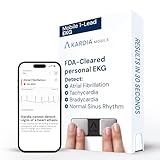
Overview: The KardiaMobile 1-Lead is a compact, FDA-cleared personal EKG monitor designed for on-the-go heart rhythm assessment. It captures medical-grade single-lead electrocardiograms in 30 seconds using a smartphone app, detecting AFib, bradycardia, tachycardia, and normal sinus rhythm without requiring subscriptions for core functionality.
What Makes It Stand Out: Its pocket-size portability (under 1 ounce), zero need for Bluetooth/Wi-Fi during use, and immediate 30-second results provide unmatched convenience. Backed by over 350 million recorded EKGs and cardiologist endorsements, it offers medical-grade accuracy for personal use, with FSA/HSA eligibility adding practical value.
Value for Money: Priced moderately for a medical device, it excels for users needing basic arrhythmia screening without recurring costs. While alternatives like smartwatches offer limited rhythm checks, KardiaMobile’s FDA clearance and clinical reliability justify its cost for health-conscious individuals or those with cardiac risk factors.
Strengths and Weaknesses: Strengths: Ultra-portable, subscription-free core functionality, instant results, FSA/HSA eligible, and clinically validated. Weaknesses: Limited to single-lead data (less comprehensive than multi-lead devices), requires manual finger placement, and advanced features (e.g., detailed reports) need a paid KardiaCare subscription.
Bottom Line: An exceptional entry-level personal EKG for quick, reliable heart rhythm checks; ideal for travelers or proactive health monitors seeking clinical-grade data without complexity. Highly recommended for basic cardiac screening.
2. KardiaMobile 6L EKG Monitor, Medical-Grade, FDA-Cleared Heart Monitor, 6 Views of The Heart, Results in 30 Seconds, Unlimited Recordings, Works with Smartphones, HSA&FSA Eligible, Pocket-Size
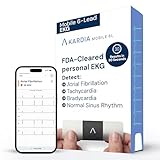
Overview: The KardiaMobile 6L elevates personal cardiac monitoring with a medical-grade 6-lead EKG, delivering six times more data than single-lead models. FDA-cleared and capable of 30-second readings, it detects AFib, bradycardia, tachycardia, and normal rhythm, connecting via Bluetooth to smartphones for unlimited recordings and sharing.
What Makes It Stand Out: Six-lead capability provides hospital-grade insights in a pocket-sized device, crucial for detecting nuanced arrhythmias. Its Bluetooth connectivity (vs. finger-contact-only 1-Lead) and compatibility with KardiaCare for advanced analysis (e.g., PVC detection) cater to users needing deeper cardiac insights, including seniors and fitness enthusiasts.
Value for Money: Justifies a premium price with diagnostic-grade data previously accessible only clinically. While costlier than single-lead options, the 6L’s comprehensive output offers superior value for those managing chronic conditions or seeking detailed heart health tracking, especially with FSA/HSA eligibility offsetting expense.
Strengths and Weaknesses: Strengths: Clinically rich 6-lead data, portable design, seamless app integration, and robust cardiologist backing. Weaknesses: Requires correct limb placement (less intuitive than 1-Lead), Bluetooth dependency, and advanced features still need KardiaCare subscription.
Bottom Line: The top choice for users prioritizing detailed cardiac data; essential for high-risk patients or health-focused individuals. Worth the investment for professional-level at-home monitoring.
3. KardiaMobile 1-Lead EKG Monitor, Medical-Grade FDA-Cleared Personal Heart Monitor, Detects Normal, AFib & Arrhythmias, Unlimited Recordings, 30 Second Results, Works with most Smartphones, Pocket-size
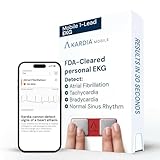
Overview: Identical to Product 1, this KardiaMobile 1-Lead model offers FDA-cleared, single-lead EKG monitoring with 30-second smartphone-based readings. It detects key arrhythmias like AFib and bradycardia, emphasizing simplicity and portability for everyday heart health checks without mandatory subscriptions.
What Makes It Stand Out: Its standout traits remain unmatched portability (1 ounce), zero connectivity requirements during use, and instant results—ideal for spontaneous checks during travel or exercise. Trusted by cardiologists globally and FSA/HSA eligible, it democratizes clinical-grade heart monitoring for non-technical users.
Value for Money: Represents strong value for basic cardiac screening, undercutting multi-lead devices while outperforming smartwatch EKGs in clinical validation. The absence of subscription fees for core functionality makes it cost-effective for budget-conscious users needing reliable AFib detection.
Strengths and Weaknesses: Strengths: Effortless setup, unparalleled convenience, medical credibility, and no hidden costs for essential features. Weaknesses: Limited diagnostic scope versus multi-lead systems, manual sensor contact can yield errors, and advanced analytics require paid KardiaCare.
Bottom Line: Unchanged from Review #1: a must-have for straightforward, portable heart rhythm verification. Best for users seeking quick peace of mind without technical complexity.
4. EMAY Portable ECG Monitor | Record ECG and Heart Rate | Compatible with Smartphone and PC

Overview: The EMAY Portable ECG is an OTC 1-lead monitor for home heart rate and basic ECG recording. It connects via Bluetooth to smartphones or USB to PCs, storing signals for later review but explicitly not replacing clinical diagnostic equipment, with pacemaker users advised against use.
What Makes It Stand Out: Dual connectivity (Bluetooth + USB) and PC compatibility distinguish it from app-only rivals, appealing to users preferring desktop analysis. The rechargeable battery and no-subscription model offer affordability, though it lacks FDA clearance and medical-grade validation seen in Kardia products.
Value for Money: Positioned as a budget-friendly option, it suits casual users tracking general heart rate trends. However, its limited clinical utility and absence of arrhythmia detection reduce value versus FDA-cleared alternatives, making it a niche pick for non-diagnostic hobbyist use.
Strengths and Weaknesses: Strengths: USB/PC support, no subscription fees, and simple heart rate tracking. Weaknesses: Not FDA-cleared, minimal arrhythmia detection, vague accuracy claims, and unsuitable for pacemaker users; software functionality appears basic compared to medical apps.
Bottom Line: A functional but limited tool for casual heart rate logging; not recommended for medical screening. Choose only if PC integration is critical and clinical accuracy is secondary.
5. EMAY 6L Portable ECG Monitor | Record ECG and Heart Rate in 6 Channels | Compatible with Smartphone and PC | No Subscription Required

Overview: This EMAY model offers 6-lead ECG recording for home use, connecting via Bluetooth to phones or USB to PCs. It emphasizes no subscription fees and multi-channel data capture but carries the same OTC limitations as its 1-lead sibling, excluding pacemaker users and clinical diagnostics.
What Makes It Stand Out: Six-lead capability at a non-prescription price point is its primary draw, providing more comprehensive data than single-lead OTC devices. The subscription-free model and dual connectivity (PC/smartphone) cater to tech-savvy users wanting detailed—but not clinical—insights.
Value for Money: Offers theoretical value for multi-lead access without recurring costs, yet lacks FDA clearance and cardiologist validation. Priced lower than KardiaMobile 6L, it’s viable for enthusiasts, but questionable accuracy diminishes value for health-critical scenarios.
Strengths and Weaknesses: Strengths: Affordable 6-lead access, no subscriptions, PC compatibility, and rechargeable battery. Weaknesses: Unverified medical accuracy, no arrhythmia detection specifics, not FDA-cleared, and software features appear rudimentary versus medical apps.
Bottom Line: A budget-oriented 6-lead option for non-clinical experimentation, but unreliable for genuine health monitoring. Prefer KardiaMobile 6L for medically actionable data.
6. KardiaMobile 6L Max EKG Monitor, FDA-Cleared Heart Monitor, Medical-Grade Results in 30 Seconds, Unlimited Recordings, Works with Smartphones and Tablets, Includes One-Year KardiaCare Subscription

Overview: The KardiaMobile 6L Max is a portable, FDA-cleared heart monitor delivering medical-grade six-lead EKG results in 30 seconds directly to your smartphone. Designed for personal heart health tracking, it targets individuals managing arrhythmias or seeking proactive cardiac insights. What Makes It Stand Out: Its six-lead capability provides significantly more diagnostic data than single-lead alternatives, detecting six common arrhythmias including AFib and PVCs. The inclusion of a full year of KardiaCare—a subscription offering unlimited recordings, automatic email sharing, and quarterly cardiologist reviews—is a major differentiator, enhancing clinical utility beyond basic monitoring. Value for Money: Priced premium, it justifies cost through medical-grade accuracy and the bundled KardiaCare year, which alone retails for ~$100. While cheaper single-lead monitors exist, the 6L Max’s comprehensive data and clinical features offer superior long-term value for serious cardiac monitoring needs. Strengths and Weaknesses: Strengths: Unmatched six-lead detail; seamless smartphone integration; vital cardiologist review access; robust arrhythmia detection. Weaknesses: KardiaCare subscription required post-trial (costs $10/month); initial setup confusion around “required” payment prompts; bulkier than single-lead options. Bottom Line: An essential tool for those with known arrhythmias or high cardiac risk, the 6L Max delivers hospital-grade insights at home. Despite subscription dependency, its diagnostic power and included KardiaCare year make it a worthwhile investment for proactive heart health management.
7. Case for Kardiamobile EKG Monitor, Compatible with Kardia Mobile EKG Heart Monitor, Hard Travel Box for Alivecor Kardiamobile 6L & 6L Max, Pill Box and Carabiner Clip Included

Overview: This protective EVA case is engineered exclusively for KardiaMobile 6L and 6L Max monitors, offering rugged defense alongside practical travel accessories like a pill box and carabiner clip to enhance portability. What Makes It Stand Out: Triple-threat protection (shockproof, waterproof, dustproof) via hard EVA construction and sealed zippers sets it apart. The thoughtful inclusion of a food-grade pill organizer and sturdy carabiner—perfect for attaching to bags—caters directly to users managing cardiac health on the move. Value for Money: At a modest price, it delivers exceptional utility by safeguarding a costly medical device. The added accessories negate purchasing separate organizers, making it a cost-effective necessity rather than a luxury for KardiaMobile owners prioritizing device longevity. Strengths and Weaknesses: Strengths: Comprehensive physical protection; well-integrated pill box/carabiner; compact yet spacious interior; ideal for travelers. Weaknesses: Interior mesh may snag delicate monitor edges over time; carabiner lacks rotational swivel; case only fits 6L-series (not 1L/Card models). Bottom Line: A highly recommended companion for KardiaMobile 6L users, this case merges rugged security with smart travel features. Its accessory bundle and reliable build provide indispensable peace of mind for safeguarding your heart monitor during daily use or trips.
8. Heart Monitor Case Compatible with AliveCor Kardia Mobile ECG/for KardiaMobile 6L for Apple and Android Device - CASE ONLY (Black)

Overview: A minimalist, black EVA case designed solely for KardiaMobile 6L monitors, emphasizing lightweight portability and essential protection without bundled extras. What Makes It Stand Out: Its ultra-slim profile (3.9"x1.9") and emphasis on “CASE ONLY” transparency prevent buyer confusion. The interior mesh pocket for cables/pills and elastic securing strap prioritize functional simplicity, while the soft nylon lining prevents sensor scratches during quick access. Value for Money: As a no-frills solution, it offers solid protection at a lower price point than accessory-rich alternatives. Ideal for users who already own organizers or prioritize discreet, pocket-friendly carry over added features. Strengths and Weaknesses: Strengths: Streamlined, pocketable design; soft interior prevents damage; clear “case only” labeling; affordable. Weaknesses: Lacks included pill box/carabiner; minimal padding for extreme impacts; mesh pocket too small for standard pill containers; not compatible with 1L/Card models. Bottom Line: A practical, budget-friendly choice for KardiaMobile 6L owners seeking basic protection without extras. While less versatile than premium cases, its slim fit and scratch-resistant interior make it a sensible pick for everyday carry where bulk matters.
9. Case for KardiaMobile 1L 6L Personal EKG Monitor, Hard Travel Carrying Case for AliveCor Kardia Heart Monitor EKG/ECG, Portable Heart Rate Monitor Bag Storage Organizer with Pill Box & Carabiner Clip

Overview: A versatile hard-shell case compatible with both KardiaMobile 1L and 6L monitors, featuring travel-ready protection and integrated health accessories for cardiac patients on the go. What Makes It Stand Out: Universal compatibility (1L/6L) is rare among dedicated cases. The pill organizer and carabiner clip are seamlessly integrated, while the EVA shell’s anti-shock baffling and waterproofing address critical durability needs for medical devices in unpredictable environments. Value for Money: Excellent value as a single case serves multiple Kardia models. The included accessories eliminate separate purchases, and robust construction ensures long-term device safety—crucial for protecting expensive heart monitors during travel or daily use. Strengths and Weaknesses: Strengths: Works with 1L and 6L models; comprehensive weather/impact resistance; compact pill box; secure carabiner; nurse/doctor-friendly design. Weaknesses: Pill box lacks compartments for complex regimens; carabiner clip is basic plastic; interior padding slightly loose for 1L model. Bottom Line: The top choice for users owning multiple KardiaMobile variants or seeking a unified travel solution. Its adaptability, strong protection, and included health accessories deliver unmatched convenience for frequent travelers managing heart conditions.
10. KardiaMobile Card Credit-Card Sized EKG, Medical-Grade & FDA-Cleared Personal Heart Monitor, Carry in Wallet, Bluetooth-Enabled for On-The-Go Check-Ups Anywhere, Compatible with Most Smartphones

Overview: An ultra-portable, wallet-sized EKG monitor delivering FDA-cleared single-lead readings via Bluetooth. Designed for spontaneous heart checks anywhere, it prioritizes accessibility over clinical depth. What Makes It Stand Out: Its credit-card form factor enables true wallet integration—unmatched for discreet, immediate use during symptoms. No subscription is needed for core arrhythmia detection (AFib, Bradycardia), and its 2,000-EKG battery life ensures readiness without frequent charging. Value for Money: Priced lower than the 6L Max, it’s ideal for casual monitoring or as a secondary device. While less diagnostic than six-lead models, its “always with you” convenience and no-mandatory-subscription approach offer compelling value for symptom-spotting. Strengths and Weaknesses: Strengths: Unbeatable portability; instant wallet access; long battery life; zero subscription for basic use; cardiologist-recommended brand trust. Weaknesses: Limited to single-lead (less diagnostic data); subscription needed for advanced features; prone to wallet damage over time; no pill/cable storage. Bottom Line: Perfect for symptom-driven users wanting rapid checks without bulk. Though less comprehensive than the 6L Max, its wallet-friendly design and reliable core functionality make it a smart, affordable safety net for intermittent heart monitoring.
Understanding Your Cardiac Monitoring Needs
Before exploring device features, it’s essential to clarify why you need monitoring. This foundational step ensures you invest in a solution aligned with your health goals, not just the latest gadget. Cardiac monitoring serves distinct purposes, from diagnosing elusive symptoms to managing chronic conditions, and the wrong tool can lead to frustration or missed insights.
Assessing Medical Indications and Symptoms
Your specific symptoms or diagnosed condition should drive your device selection. Are you experiencing unexplained dizziness, palpitations, or fainting spells that warrant intermittent tracking? Or do you have a confirmed arrhythmia like atrial fibrillation requiring consistent, long-term rhythm surveillance? Devices vary significantly in their ability to capture sporadic events versus providing continuous data streams. Consulting your healthcare provider to define the clinical objective—whether it’s event recording, extended rhythm analysis, or post-procedure monitoring—is non-negotiable. This medical context ensures the device you choose delivers data your doctor can actually use.
Differentiating Between Diagnostic and Management Tools
Not all monitors serve the same purpose. Diagnostic devices are designed for capturing elusive events to aid in an initial diagnosis, often used intermittently over days or weeks. Management tools, conversely, focus on long-term tracking for known conditions, providing trends that inform ongoing treatment adjustments. Confusing these categories can lead to inadequate data collection. For instance, a short-term event monitor won’t suffice for tracking how well a medication regimen controls chronic arrhythmia over months. Understanding this distinction helps filter options effectively.
Key Technical Features to Evaluate
The technical specifications of a cardiac monitor directly impact its reliability and usefulness. Prioritizing clinically validated performance over flashy add-ons ensures the data you collect is trustworthy and actionable for your healthcare team.
ECG Accuracy and Lead Configuration
The core function hinges on electrocardiogram (ECG) accuracy. Look for devices validated against medical-grade standards (like the ANSI/AAMI EC11 or ISO 13485). The number of leads matters: single-lead devices (common in wearables) are convenient but may miss subtle abnormalities detectable with multi-lead systems. Two-lead or three-lead configurations typically offer a more comprehensive electrical picture of the heart, crucial for identifying specific arrhythmias. Ensure the device specifies its validation methodology—not all “medical-grade” claims are equal.
Battery Life and Usage Patterns
Battery performance must align with your monitoring needs. Short-term event recorders might need daily charging, while long-term patch monitors often last 7-14 days continuously. Consider your lifestyle: frequent travelers need extended battery life or easy recharging, whereas homebound users might prioritize charging docks. Crucially, check if battery drain affects data transmission—losing recordings because the device died mid-event defeats the purpose.
Data Transmission and Connectivity Reliability
Seamless data transfer is as critical as the recording itself. Devices should reliably sync via Bluetooth to a smartphone app or directly to cellular networks (LTE/5G), especially for critical event detection. Evaluate the app’s stability—does it consistently upload without manual intervention? Unreliable connectivity creates dangerous gaps in your cardiac history. Also, verify if automatic transmission to a clinical review service is included, as this provides professional oversight you might miss on your own.
User Experience and Practical Integration
A device’s clinical prowess means little if it’s cumbersome to use daily. Real-world usability determines whether you’ll consistently wear it and accurately capture data, making these factors equally important as technical specs.
Comfort and Wearability for Daily Life
You won’t benefit from a monitor you remove due to discomfort. Patch-style devices should use hypoallergenic adhesives to prevent skin irritation over weeks. Wearables like wristbands need adjustable straps that don’t slip during activity or sleep. Consider your daily routine: do you swim, work physically, or sweat heavily? Water resistance (look for IPX8 rating) and secure adhesion become essential. Test wearability during varied activities—sleeping, exercising, showering—to ensure practicality.
Intuitive Interface and Setup Process
Complex setup deters consistent use. The ideal device pairs easily with your smartphone via clear instructions, with minimal steps to start recording. The companion app should have a straightforward interface: large buttons for manual event marking, simple charging indicators, and uncluttered data displays. If you’re less tech-savvy, prioritize devices with voice-guided setup or extensive customer support resources. A confusing app leads to missed recordings or abandoned use.
Alert Systems and User Notifications
Effective alerts balance urgency with usability. Audible or haptic (vibration) alarms for detected irregularities are valuable, but overly sensitive systems cause “alert fatigue,” leading users to ignore critical notifications. Customizable alert thresholds—adjustable per your doctor’s guidance—prevent unnecessary stress. Ensure notifications are clear about the type of event (e.g., “possible AFib detected”) without causing panic, and that they integrate with your phone’s accessibility features if needed.
Data Management and Healthcare Integration
The true value of home monitoring lies in how data informs care. A device that siloes information in an app is less useful than one that integrates smoothly with your healthcare ecosystem.
Secure Data Storage and Privacy Compliance
Cardiac data is highly sensitive health information. Verify the device and app comply with stringent privacy regulations like HIPAA (in the US) or GDPR (in Europe). Data should be encrypted both in transit and at rest on servers. Review the company’s privacy policy: do they sell anonymized data? How long is data retained? Never compromise on security—your heart health data deserves bank-level protection.
Physician Access and Clinical Reporting
Your cardiologist needs efficient access to your data. Opt for systems where recordings automatically generate shareable clinical reports (PDFs compatible with EHR systems) or integrate directly with your healthcare provider’s portal. Manual screenshot sharing is error-prone and time-consuming. Some services include professional rhythm analysis by certified technicians, providing preliminary insights your doctor can quickly review, speeding up diagnosis.
Long-Term Trend Analysis Capabilities
Beyond single-event snapshots, valuable devices show trends over time. Can the app display heart rate variability (HRV), average resting heart rate, or arrhythmia burden (percentage of time in irregular rhythm) across weeks or months? Visual trend graphs help you and your doctor assess treatment effectiveness, identify triggers, or spot gradual changes that single readings might miss. This longitudinal view is gold for managing chronic conditions.
Special Considerations for Different User Groups
Cardiac monitoring isn’t one-size-fits-all. Tailoring your choice to specific life stages, health complexities, or mobility needs ensures the device supports your reality.
Elderly Users and Caregiver Support Features
For seniors, simplicity is paramount. Prioritize devices with large physical buttons (not just touchscreens), loud alert volumes, long battery life to reduce charging frequency, and automatic fall detection if applicable. Caregiver access features—like remote app viewing or emergency contact alerts—are invaluable. Consider devices that don’t rely solely on smartphones; dedicated base units with landline connectivity can be more reliable for non-tech users.
Athletes and Active Lifestyles
High-intensity activity demands ruggedness and motion-artifact resistance. Look for devices specifically tested during exercise, with advanced algorithms that filter out movement noise. Continuous heart rate monitoring during workouts, alongside ECG spot checks, provides holistic cardiac insights for performance optimization. Secure adhesion (sweat-proof patches) and quick-dry materials prevent slippage during runs or swims.
Managing Multiple Chronic Conditions
If you juggle heart issues alongside diabetes, COPD, or other conditions, integrated health platforms become crucial. Devices that sync heart data with glucose monitors, blood pressure cuffs, or activity trackers in a single health app provide a unified health picture for your care team. Ensure compatibility with your existing ecosystem to avoid data fragmentation and manual entry hassles.
Navigating Costs and Insurance Coverage
Home cardiac monitors span a wide price range, and understanding financial aspects prevents sticker shock and ensures sustainability.
Understanding Insurance Reimbursement Pathways
Many insurance plans cover home cardiac monitors when prescribed for specific medical indications. Coverage hinges on a clear diagnosis code from your physician and often requires prior authorization. Research your plan’s policy: do they cover only certain device types (e.g., patch monitors over wearables)? What’s your out-of-pocket cost? Work with your doctor’s billing team—they navigate these complexities daily and can advise on covered alternatives.
Out-of-Pocket Investment vs. Long-Term Value
If paying privately, weigh the upfront cost against features and longevity. A $300 device with 2-year battery life may be cheaper long-term than a $150 device needing annual replacement. Consider hidden costs: subscription fees for data services, replacement patches/sensors, or app premium features. Calculate the true cost per month of reliable monitoring, not just the sticker price.
Rental Programs and Trial Options
Some providers offer short-term rentals for diagnostic periods (e.g., 30-day event monitoring), avoiding full purchase if long-term use isn’t needed. Others provide trial periods with money-back guarantees. These are excellent ways to test comfort and usability before committing, especially for higher-cost devices. Always confirm return policies and restocking fees upfront.
Future-Proofing Your Purchase
Cardiac tech evolves rapidly. Choosing adaptable devices ensures your investment remains relevant as standards and capabilities improve.
Software Update Policies and Longevity
Firmware updates can add new features, improve accuracy, or enhance security. Check the manufacturer’s track record: do they provide regular, free updates for 2+ years? Avoid devices where critical features require paid subscription unlocks. A company committed to long-term software support extends your device’s useful life significantly.
Interoperability with Emerging Health Ecosystems
As digital health advances, devices that integrate with broader platforms (like Apple Health, Google Fit, or hospital EHR systems) gain value. Look for adherence to open standards like HL7 FHIR for health data exchange. This ensures your cardiac data can flow into future apps or services you adopt, preventing your device from becoming a data island.
Frequently Asked Questions
Frequently Asked Questions
Can a home cardiac monitor replace my regular doctor visits?
No. These devices are tools for supplementing care by providing additional data between appointments. They do not replace professional medical evaluation, diagnosis, or treatment planning by your physician.
How accurate are home ECG devices compared to hospital tests?
Many modern home monitors use clinically validated technology with accuracy approaching hospital-grade equipment for specific purposes, like detecting atrial fibrillation. However, they typically have fewer leads and may miss complex arrhythmias. Always discuss results with your doctor.
Do I need a prescription to buy a cardiac monitoring device?
Some advanced diagnostic devices require a prescription for purchase or insurance coverage, especially those intended for medical diagnosis. Basic heart rate trackers often don’t, but consult your doctor to ensure you’re getting the right tool for your medical need.
Can these devices detect a heart attack?
Most home monitors focus on rhythm abnormalities (arrhythmias), not heart attacks (myocardial infarctions), which involve blocked blood flow. While severe events might show abnormal rhythms, these devices aren’t designed to reliably detect heart attacks. Seek emergency care for chest pain or acute symptoms.
How often should I use my cardiac monitor?
Usage depends entirely on your medical need. Short-term event monitors might be used only when symptoms occur, while patch monitors or wearables could be used continuously for days or weeks as prescribed. Follow your healthcare provider’s specific instructions.
Is my cardiac data safe from hackers?
Reputable medical devices use strong encryption and comply with health data privacy laws (like HIPAA). However, no system is 100% immune. Choose devices from established companies with transparent privacy policies and avoid sharing sensitive data via unsecured networks.
Can I use a smartwatch instead of a dedicated cardiac monitor?
Some smartwatches offer ECG features, but they are generally less comprehensive than dedicated medical devices. They may suffice for basic rhythm spot-checks but lack the extended monitoring duration, clinical validation depth, or advanced reporting needed for diagnosed conditions. Discuss suitability with your doctor.
What happens if the device detects an abnormal rhythm?
Most devices alert you to possible irregularities, but they don’t provide a diagnosis. You should note the time and symptoms, review the recording in your app, and share it with your doctor promptly for professional interpretation and guidance.
How long does the adhesive last on patch-style monitors?
Medical-grade patches typically adhere securely for 7-14 days, even during showers or light exercise. Skin preparation (cleaning and drying) is crucial for longevity. Avoid lotions or oils where the patch adheres.
Will insurance cover the cost of a home cardiac monitor?
Coverage is common but not guaranteed. It usually requires a physician’s prescription confirming medical necessity for a specific condition. Contact your insurance provider and work with your doctor’s office to verify coverage details and obtain necessary pre-authorization.
See Also
- How to Choose the 10 Best Cardiac Monitoring Devices for Home Use in 2026
- The 10 Ultimate Best Cardiac Monitoring Devices for Post-Surgery Recovery in 2026
- 10 Best Value Cardiac Monitoring Devices for Remote Patient Care in 2026
- 10 Essential Cardiac Monitoring Devices Every Hypertension Patient Needs in 2026
- How Bluetooth Blood Pressure Wearables Are Revolutionizing Home Health Monitoring