Table of Contents
Imagine waking up not to an alarm, but to a gentle notification on your wrist: a subtle alert suggesting your heart rhythm showed an unusual pattern overnight. For millions concerned about cardiac health, this isn’t science fiction anymore—it’s the evolving reality of at-home heart monitoring. The days of relying solely on infrequent doctor visits or cumbersome, short-term event recorders are fading. Today’s advanced wearable technology offers a continuous, unobtrusive window into your cardiovascular system, bringing sophisticated screening out of the clinic and into the comfort of daily life. This shift empowers individuals to take proactive control, potentially catching fleeting but critical arrhythmias like atrial fibrillation long before they lead to more serious complications like stroke.
The stakes couldn’t be higher. Heart disease remains a leading global health concern, and many cardiac issues present intermittently, easily missed during a standard office visit. Traditional monitoring often meant wearing bulky Holter monitors for 24-48 hours, tethered to wires and limited in duration. Wearable heart monitors have shattered those constraints, offering extended wear, seamless integration with routines, and real-time insights. But with a rapidly expanding market flooded with options boasting varying capabilities, navigating the landscape can feel overwhelming. Choosing the right device isn’t just about convenience; it’s about ensuring accurate, actionable data that integrates meaningfully into your healthcare journey. Understanding the core features and considerations is paramount to finding a solution that truly addresses your specific cardiac screening needs effectively and reliably.
Top 10 Wearable Heart Monitors
Detailed Product Reviews
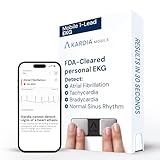
1. KardiaMobile 1-Lead EKG Monitor, Medical-Grade FDA-Cleared Personal Heart Monitor, Detects Normal, AFib & Arrhythmias, Unlimited Recordings, 30 Second Results, Works with most Smartphones, Pocket-size
Overview:
The KardiaMobile 1-Lead EKG Monitor is a pocket-sized, FDA-cleared device for capturing medical-grade single-lead electrocardiograms in 30 seconds. Designed for personal heart rhythm monitoring, it pairs with a free smartphone app to detect atrial fibrillation (AFib), bradycardia, tachycardia, and normal sinus rhythm, making it ideal for proactive heart health management at home or on the go.
What Makes It Stand Out:
Its standout feature is clinical-grade accuracy in a portable format, weighing under 1 ounce and requiring no Bluetooth, Wi-Fi, or cords. The instant 30-second results and ability to email EKGs directly to doctors provide urgent peace of mind. Backed by over 350 million recorded EKGs and cardiologist endorsements, it’s FSA/HSA-eligible and operates without mandatory subscriptions for core functionality.
Value for Money:
Priced moderately for a medical device, it offers exceptional value compared to clinical EKGs or pricier multi-lead alternatives. While the optional KardiaCare subscription adds advanced features (sold separately), the base model delivers reliable, FDA-cleared results without recurring fees, outperforming smartwatch EKGs in diagnostic credibility.
Strengths and Weaknesses:
Strengths: Ultra-portable, no setup complexity, instant actionable results, doctor-integrated sharing, and proven reliability. Weaknesses: Limited to single-lead data (less comprehensive than 6-lead devices), subscription needed for expanded arrhythmia detection, and occasional app connectivity hiccups.
Bottom Line:
An essential, user-friendly tool for anyone monitoring heart health risks, especially AFib. Its medical accuracy, simplicity, and portability justify the cost, making it a top recommendation for patients seeking accessible cardiac insights without compromising on clinical standards.
2. Fitness Tracker with Heart Rate/Blood Oxygen/Sleep Monitor, 20+ Sports Modes Smart Watches for Women/Men, Activity & Step Tracker Smart Watch for Android/iOS Phones (Dark Black)

Overview:
This unisex smartwatch merges comprehensive health tracking with smart features, targeting fitness enthusiasts seeking an all-in-one activity companion. It monitors heart rate, blood oxygen, blood pressure, sleep stages, and temperature while supporting 25+ sports modes via the “Keep Health” app, all housed in a sleek 1.10-inch AMOLED display.
What Makes It Stand Out:
The inclusion of blood oxygen and temperature monitoring beyond standard metrics—paired with detailed sleep analysis (deep/light/awake stages) and a vibrant touchscreen—sets it apart in its price tier. Smart functionalities like call/message alerts, female health tracking, and remote photography enhance daily utility without requiring constant phone checks.
Value for Money:
Competitively priced against mid-range trackers, it delivers premium features (AMOLED screen, multi-sport tracking) typically found in costlier models. While not medical-grade, its holistic health overview offers strong value for general wellness users, though accuracy for blood pressure/oxygen may lag behind dedicated devices.
Strengths and Weaknesses:
Strengths: Bright responsive display, extensive smart features, diverse sports modes, and comfortable design. Weaknesses: Blood pressure/oxygen readings lack clinical validation, battery life isn’t specified (common for budget trackers), and app integration may feel less polished than top brands.
Bottom Line:
A feature-rich, stylish tracker ideal for casual fitness users prioritizing convenience and broad health metrics over medical precision. It’s a solid budget-friendly pick for step counting, sleep insights, and smart notifications, but not for critical health diagnostics.
3. COROS Heart Rate Monitor, Comfort, Easy to wear, Auto-wear Detection, Advanced Sensor, Precise Data, Bluetooth, 38 Hours Battery Life, Connects up to 3 Devices at Once, for Run and Bike-Grey

Overview:
The COROS Heart Rate Monitor is an armband-style sensor designed exclusively for sports performance tracking during runs, cycling, and intense workouts. It emphasizes comfort and precision for athletes needing reliable heart rate data without chest strap discomfort, connecting via Bluetooth to multiple devices simultaneously.
What Makes It Stand Out:
Its armband design—featuring soft, breathable fabric and tool-free sensor removal for cleaning—eliminates chest strap chafing. Unique auto-wear detection activates monitoring only when worn, while 38-hour battery life and triple-device pairing (e.g., watch + phone + bike computer) cater to multi-device training setups. The scratch-resistant sensor ensures durability.
Value for Money:
Priced competitively against chest straps, it justifies cost through superior comfort and multi-device flexibility. Though not for 24/7 health tracking, its sports-specific accuracy and no-ANT+ limitation (Bluetooth-only) make it ideal for serious runners/cyclists seeking a hassle-free, long-session solution.
Strengths and Weaknesses:
Strengths: Exceptional comfort, seamless multi-device sync, robust build, and precise workout metrics. Weaknesses: Bluetooth-only (excludes ANT+ devices), not suited for daily health monitoring, and app ecosystem less comprehensive than Garmin/Polar.
Bottom Line:
A top-tier armband HR monitor for athletes prioritizing comfort during extended training. Its reliable data and multi-device capability offer excellent value for sports-focused users, though daily health trackers should consider alternatives.
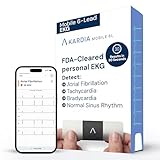
4. KardiaMobile 6L EKG Monitor, Medical-Grade, FDA-Cleared Heart Monitor, 6 Views of The Heart, Results in 30 Seconds, Unlimited Recordings, Works with Smartphones, HSA&FSA Eligible, Pocket-Size
Overview:
The KardiaMobile 6L elevates personal cardiac monitoring with a medical-grade 6-lead EKG, capturing six times more heart data than single-lead devices in 30 seconds. FDA-cleared and pocket-sized, it’s engineered for users needing detailed arrhythmia detection (including AFib) without clinical visits, syncing via Bluetooth to smartphones.
What Makes It Stand Out:
The 6-lead capability provides near-clinical insight into heart rhythm, detecting subtle abnormalities missed by 1-lead monitors or smartwatches. Its standalone functionality—no Wi-Fi or subscriptions required for core use—and FSA/HSA eligibility enhance accessibility. The finger-and-knee placement method ensures ease of use anywhere.
Value for Money:
While pricier than the 1-lead model, the 6L delivers disproportionate value through comprehensive diagnostics. It rivals costly clinical tests for chronic condition management, with optional KardiaCare adding cardiology reviews. For high-risk users or those with inconclusive single-lead results, the investment is well-justified.
Strengths and Weaknesses:
Strengths: Unmatched personal EKG detail, portability, doctor-friendly reporting, and no mandatory subscription. Weaknesses: Higher cost than 1-lead version, Bluetooth pairing required (unlike 1-lead’s proximity method), and subscription needed for advanced arrhythmia analysis.
Bottom Line:
A game-changer for individuals requiring thorough cardiac screening at home. Its diagnostic depth and medical credibility make it indispensable for seniors, caregivers, or fitness enthusiasts with heart health concerns, warranting the premium for critical health insights.
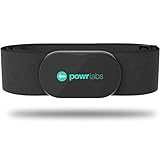
5. Powr Labs Bluetooth and ANT+ Heart Rate Monitor Chest Strap - All Day Comfort, Easy Connectivity - Compatible with Polar, Garmin, Peloton, Wahoo
Overview:
The Powr Labs chest strap is a dual-protocol (ANT+/Bluetooth) heart rate monitor built for seamless integration with 400+ fitness devices and apps, from Peloton bikes to Garmin watches. Designed for all-day comfort during intense training, it promises clinical-grade accuracy without subscription fees.
What Makes It Stand Out:
Its dual ANT+/Bluetooth connectivity ensures universal compatibility—unlike Bluetooth-only rivals—while the 400+ hour battery (using a replaceable coin cell) eliminates charging hassles. The chafe-free fabric band and IPX67 sweatproofing support marathon sessions, and ±1 BPM accuracy rivals premium brands at half the cost.
Value for Money:
Outstanding value for serious athletes. At 50% less than Polar/Garmin straps, it delivers identical precision, eternal battery life, and broader compatibility. The replaceable battery and rugged build ensure longevity, making it a cost-effective workhorse for daily training across cycling, running, and gym use.
Strengths and Weaknesses:
Strengths: Flawless multi-device pairing, exceptional comfort, industry-leading battery life, and true medical-grade accuracy. Weaknesses: Chest strap design (less comfortable than armbands for some), no smart features, and requires wearing during pairing.
Bottom Line:
The definitive chest strap for athletes needing reliable, no-nonsense heart rate data across all devices. Its unbeatable durability, accuracy, and universal compatibility make it a must-buy for training-focused users seeking professional results without recurring costs.
6. Zeacool Fitness Tracker with 24/7 Heart Rate, Blood Oxygen Blood Pressure Sleep Monitor, Activity Trackers 5 ATM Waterproof,Step Calorie Counter Pedometer Health Smart Watch for Women Men Pink

Overview:
The Zeacool Fitness Tracker is a versatile wrist-worn health companion targeting everyday users seeking comprehensive biometric monitoring. It emphasizes 24/7 tracking of heart rate, blood oxygen, blood pressure, sleep stages, and temperature, alongside activity metrics like steps and calories. Its 1.10-inch AMOLED touchscreen, 25 sport modes, and 5 ATM waterproofing make it suitable for swimming and daily wear.
What Makes It Stand Out:
Its standout features include the vibrant AMOLED display with customizable watch faces, extensive health metric suite (including menstrual cycle tracking), and robust 5 ATM waterproofing for swimming. The “Keep Health” app integrates all data seamlessly, while lifestyle features like remote photography and sedentary reminders enhance usability beyond basic fitness tracking.
Value for Money:
Priced competitively under $50, it offers exceptional value by bundling medical-adjacent health monitoring (SpO2, BP trends) typically found in pricier models. While not a medical device, it outperforms budget pedometers and rivals mid-tier smartwatches in functionality, making it ideal for health-conscious users unwilling to invest in premium brands.
Strengths and Weaknesses:
Strengths: Bright, responsive screen; comprehensive health/sleep tracking; strong waterproofing; useful lifestyle features; affordable.
Weaknesses: Optical heart rate/blood pressure accuracy may lag behind chest straps; app dependency limits standalone use; limited smartwatch functionality (e.g., no third-party app support).
Bottom Line:
An excellent budget-friendly choice for casual fitness enthusiasts prioritizing holistic health insights and convenience. While not medically precise, its feature density and waterproof design justify the price for non-athletes seeking reliable daily tracking.
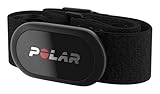
7. Polar H10 Heart Rate Monitor Chest Strap - ANT + Bluetooth, Waterproof HR Sensor for Men and Women, Black, M-XXL
Overview:
The Polar H10 is a professional-grade chest strap heart rate monitor designed for athletes and data-driven fitness enthusiasts. Renowned for clinical-grade accuracy, it tracks real-time heart rate, stores workout data internally, and supports advanced metrics like HRV. Its chest-strap form factor prioritizes precision over convenience.
What Makes It Stand Out:
Unmatched accuracy in heart rate and HRV measurement sets it apart, validated by medical and sports science communities. Dual Bluetooth/ANT+ connectivity allows simultaneous pairing with multiple devices (e.g., watch and cycling computer), while internal memory enables standalone recording. The waterproof design and long battery life (up to 400 hours) add versatility.
Value for Money:
At $80, it’s a premium investment but justifies cost through reliability and compatibility. Unlike disposable wrist sensors, it works flawlessly with gym equipment, apps, and wearables across ecosystems. Serious runners, cyclists, or HIIT athletes will find its precision invaluable compared to $30-$100 wrist trackers with inconsistent data.
Strengths and Weaknesses:
Strengths: Industry-leading accuracy; multi-device connectivity; internal storage; waterproof; durable strap; ideal for intense training.
Weaknesses: Chest-worn comfort may deter casual users; requires wetting electrodes for optimal signal; no built-in display or sleep tracking.
Bottom Line:
Essential for athletes demanding lab-grade heart rate data. Not suited for all-day health monitoring, but unmatched for performance training where precision impacts results. A worthy staple for serious fitness regimens.
8. Garmin® HRM 600 Premium Heart Rate Monitor, Accurate Heart Rate and HRV Data, Running Dynamics, Stand-Alone Activity Recording, M-XL

Overview:
Garmin’s HRM 600 is a high-end chest strap targeting runners and multisport athletes. It delivers precise heart rate, HRV, and advanced running dynamics metrics (like ground contact time) while supporting standalone activity recording—ideal for sports where wearing a watch is impractical.
What Makes It Stand Out:
Running dynamics analysis is its crown jewel, offering biomechanical insights to refine form and prevent injury. Standalone recording syncs workouts directly to Garmin Connect without a watch, and machine-washable straps enhance longevity. Dual connectivity (Bluetooth/ANT+) ensures broad device compatibility, including gym equipment.
Value for Money:
Priced around $120, it’s expensive but delivers unique value for runners. The running dynamics feature alone justifies the cost for technique-focused athletes, surpassing basic straps. Compared to wrist-based running metrics, its data is significantly more reliable, making it cost-effective for dedicated runners.
Strengths and Weaknesses:
Strengths: Elite running dynamics; standalone recording; washable strap; accurate HRV; seamless Garmin integration; comfortable fit.
Weaknesses: Premium price; limited utility beyond running/cycling; no sleep tracking; requires compatible Garmin device for full features.
Bottom Line:
A top-tier investment for runners seeking performance optimization. While niche, its biomechanical analytics provide actionable insights wrist trackers can’t match, making it indispensable for serious athletes despite the cost.
9. Smart Watch Health Fitness Tracker with 24/7 Heart Rate, Blood Oxygen Blood Pressure Sleep Monitor, 115 Sports Modes, Step Calorie Counter Pedometer IP68 Waterproof for Android and iPhone Women Men

Overview:
This feature-packed smartwatch delivers extensive health tracking and smart functionality at an accessible price. It monitors heart rate, SpO2, blood pressure, and sleep stages while supporting 115 sports modes, smartphone notifications, and IP68 waterproofing. Designed for Android/iOS users wanting a multifunctional daily wearable.
What Makes It Stand Out:
The sheer breadth of sports modes (115+) and smartphone integration—calls, texts, app notifications, and music control—elevate it beyond basic trackers. The 1.47" HD touchscreen, customizable watch faces, and GPS route mapping via phone further enhance usability. Menstrual cycle tracking and life reminders add thoughtful personalization.
Value for Money:
Under $60, it offers exceptional versatility, rivaling $200+ smartwatches in features. The combination of health metrics, sports tracking, and smart notifications provides holistic utility unmatched in its price bracket. While not as accurate as medical devices, it outperforms similarly priced rivals in functionality.
Strengths and Weaknesses:
Strengths: Huge sports mode variety; robust notification support; bright display; GPS route tracking; comprehensive health/sleep monitoring.
Weaknesses: Optical sensor accuracy inconsistent; battery life limited (1-2 days); app can feel cluttered; no onboard GPS.
Bottom Line:
A compelling all-rounder for users wanting smart features alongside fitness tracking. Ideal for casual athletes and tech-savvy users prioritizing convenience, though accuracy-focused buyers should supplement with a chest strap.
10. Milavan Smart Health Ring for Women Men Fitness Tracker with Heart Rate, Blood Oxygen, Blood Pressure, Sleep Monitoring, Step Counting, IP68 Waterproof for iOS and Android, No APP Fee, Rose Gold 8

Overview:
The Milavan Health Ring reimagines fitness tracking as a discreet, stylish accessory. This slim 2mm ring continuously monitors heart rate, SpO2, blood pressure, and sleep quality with automatic 30-minute intervals. Designed for 24/7 wear, it syncs data to a free app and supports 8 sports modes.
What Makes It Stand Out:
Its ultra-discreet ring form factor enables truly passive, all-day tracking without disrupting sleep or daily activities—a key advantage over wristbands. The polished interior ensures comfort during sports, while automatic sleep staging (including REM) provides detailed rest insights without user input.
Value for Money:
Priced near $80, it’s a niche investment. The novelty of ring-based tracking justifies cost for users prioritizing aesthetics and unobtrusive wear, but functionality is narrower than wrist trackers. No app fees are a plus, though limited sports metrics reduce appeal for active athletes.
Strengths and Weaknesses:
Strengths: Extremely discreet; comfortable 24/7 wear; automatic sleep analysis; stylish design; no subscription fees.
Weaknesses: Sizing challenges (requires measurement kit); limited sports data depth; no screen or notifications; battery life shorter than wrist devices.
Bottom Line:
Best for fashion-conscious users seeking minimalistic, continuous health tracking—not performance athletes. Its elegance and sleep focus shine, but verify sizing carefully before purchase. A specialty tool with limited scope.
Understanding the Evolution of At-Home Cardiac Monitoring
The journey from rudimentary pulse checks to today’s sophisticated wearables represents a quantum leap in accessible cardiac care. Early home monitoring was passive and reactive, often limited to manual pulse counting or basic blood pressure cuffs. The advent of portable ECG recorders was a step forward, but their episodic nature meant critical events could easily occur between checks. Wearable technology has fundamentally changed this paradigm by enabling continuous, passive data collection, transforming cardiac screening from a snapshot into a dynamic, ongoing story of heart health.
The Critical Shift from Episodic to Continuous Monitoring
The limitation of traditional methods lies in their brevity. A standard doctor’s visit or a 48-hour Holter monitor captures only a tiny fraction of your heart’s activity. Many arrhythmias are transient, occurring sporadically over days, weeks, or even months. Continuous monitoring dramatically increases the probability of capturing these elusive events, providing clinicians with a far more comprehensive picture necessary for accurate diagnosis and treatment planning, especially for conditions like paroxysmal atrial fibrillation.
How Wearables Bridge the Gap Between Clinic and Daily Life
Wearables uniquely capture cardiac data within the context of real-world living—during sleep, stress, exercise, and rest. This ecological validity is crucial. Heart rhythm can be significantly influenced by activity level, sleep quality, and emotional state, factors impossible to replicate reliably in a clinical setting. Data gathered during actual daily routines provides physicians with insights directly relevant to a patient’s lived experience and symptoms.
Key Features Defining Modern Wearable Heart Monitors
Not all wearable heart monitors are created equal, especially when designed for genuine medical-grade screening. Understanding the specific technological capabilities that translate to reliable cardiac data is essential for making an informed choice beyond basic step counting.
Electrocardiogram (ECG/ EKG) Capability: The Medical Gold Standard
The cornerstone of effective cardiac screening in wearables is the ability to record a true single-lead or multi-lead electrocardiogram. Unlike simple photoplethysmography (PPG) used in many fitness trackers for estimating heart rate, an ECG measures the actual electrical impulses generated by the heart muscle. This provides the waveform detail necessary for clinicians to diagnose specific arrhythmias like atrial fibrillation, bradycardia, tachycardia, and pauses with high confidence. Look for devices explicitly cleared by regulatory bodies (like the FDA) for ECG recording and arrhythmia detection.
Accuracy and Regulatory Clearances: Why They Matter
“Medical-grade” isn’t just a marketing term; it signifies rigorous clinical validation. Ensure the device has specific regulatory clearance (e.g., FDA 510(k), CE Mark with MDR) for its intended cardiac screening functions, not just general wellness. This clearance means the device’s accuracy for detecting specific arrhythmias like AFib has been tested against professional medical equipment in clinical studies. Wellness-focused devices may offer heart rate trends but lack the precision and validation required for diagnostic screening.
Battery Life and Wear Duration: Practicality for Real-World Use
The value of continuous monitoring is nullified if the device requires daily charging or can only be worn for a few days. For effective screening, especially for infrequent events, monitors designed for extended wear (weeks or even months on a single charge or with easily replaceable batteries) are vastly superior. Consider how the battery life aligns with your typical monitoring needs and whether frequent recharging disrupts consistent data collection.
Comfort, Usability, and Seamless Integration
A device that’s technically excellent but uncomfortable or complicated to use will quickly end up in a drawer. For long-term adherence and reliable data, the user experience is non-negotiable.
Form Factor: Beyond the Wristband
While wrist-worn devices are common, comfort is highly individual. Some users find wristbands irritating during sleep or sensitive to movement artifacts. Alternatives include discreet patch-style monitors adhered to the chest (often providing superior ECG signal quality due to proximity to the heart), or even smart clothing integrations. Consider your lifestyle, skin sensitivity, and where you feel least conscious of the device during extended wear.
Intuitive Interface and User Experience
The device and its companion app should be straightforward to set up, operate, and understand. Clear instructions for capturing readings (if manual), easy symptom logging, and an uncluttered display of heart rate trends and alerts are crucial. A complicated interface leads to user error and frustration, diminishing the device’s utility. Look for reviews focusing on ease of daily use.
Effortless Data Syncing and Management
Seamless, automatic data transmission to a secure cloud platform or directly to your healthcare provider’s system is vital. Manual data uploads are prone to being forgotten. Reliable Bluetooth connectivity and robust mobile apps that present data clearly, allow for symptom tagging, and facilitate easy sharing with your doctor ensure the collected information becomes actionable within your care plan.
Data Security, Privacy, and Healthcare Integration
Heart data is highly sensitive personal health information. How a device handles this data is a critical, often overlooked, aspect of choosing a reliable monitor.
HIPAA Compliance and Robust Data Encryption
In regions like the US, ensure the device manufacturer and its data platform are fully HIPAA-compliant. This mandates strict standards for protecting identifiable health information. Look for end-to-end encryption both during data transmission (from device to app/cloud) and while data is stored on servers. Understand the company’s privacy policy regarding data usage and sharing—medical data should never be sold for advertising.
Direct Integration with Electronic Health Records (EHR)
The ultimate goal is for wearable data to flow smoothly into your official medical record. Devices that offer direct integration with major EHR systems (like Epic or Cerner) via standards like FHIR (Fast Healthcare Interoperability Resources) significantly streamline the process for your doctor. This eliminates manual data transfer, reduces errors, and ensures your physician has immediate access to the most relevant, up-to-date information during consultations.
Secure Sharing Mechanisms for Clinicians
Even without full EHR integration, the ability to easily generate comprehensive, clinician-friendly reports (PDF summaries, trend charts, annotated event logs) that can be securely shared via patient portals or encrypted email is essential. The data must be presented in a format your healthcare provider can readily interpret and incorporate into your diagnosis and treatment decisions.
Considering Your Specific Health Needs and Goals
The “best” monitor is deeply personal. It must align with the specific cardiac concerns you and your doctor are investigating.
Aligning Device Capabilities with Your Symptoms
Are you experiencing palpitations, dizziness, or unexplained fatigue? Do you have a known history of arrhythmia requiring monitoring? The nature and frequency of your symptoms should guide your choice. For infrequent symptoms, a device capable of weeks of continuous recording or with a reliable patient-activated event button is crucial. For confirmed AFib management, robust long-term trend data might be the priority.
The Role of Physician Guidance in Selection
Never choose a medical-grade wearable monitor in isolation. Discuss your options with your cardiologist or primary care physician. They understand your specific cardiac history, risk factors, and the exact type of data needed for your diagnosis or management. They can often recommend devices they trust, know how to interpret the data from, and have established workflows for integrating the results into your care.
Long-Term Monitoring vs. Short-Term Diagnostic Needs
Be clear on the purpose: Is this for initial diagnostic screening over a few weeks, or for ongoing management of a chronic condition requiring months or years of data? Battery life, data storage capacity, and subscription models (if applicable for data services) differ significantly between devices designed for short-term diagnostic use versus long-term chronic disease management. Choose accordingly.
Navigating Costs, Insurance, and Value
The financial aspect is a practical reality that impacts accessibility and long-term use.
Understanding Insurance Coverage Landscapes
Coverage for wearable cardiac monitors varies widely. Some insurance plans (including Medicare) may cover specific prescription monitors when ordered by a physician for diagnosed conditions like suspected arrhythmias. Coverage is less common for over-the-counter devices marketed directly to consumers, even if they have medical features. Always check with your insurer before purchasing to understand potential coverage, required documentation (like a doctor’s prescription), and any applicable deductibles or co-pays.
Evaluating Total Cost of Ownership
Look beyond the initial device price. Consider:
- Prescription vs. OTC: Prescription devices might be partially covered, while OTC devices are usually full out-of-pocket.
- Subscription Fees: Some platforms charge monthly or annual fees for data analysis, cloud storage, or clinician reporting services.
- Replacement Parts: Cost of replacement electrodes for patches, bands, or batteries.
- Longevity: How many years is the device expected to function reliably? Calculate the true cost over the period you anticipate needing monitoring.
Assessing Value Against Your Health Outcomes
The ultimate value isn’t just financial. Consider the potential cost of not having reliable monitoring: missed diagnoses leading to preventable complications (like stroke), unnecessary emergency room visits due to uncertainty, or prolonged diagnostic odysseys. A device that provides accurate, timely data contributing to a clear diagnosis and effective treatment plan offers immense value for your health and peace of mind.
The Future Trajectory: What to Expect Beyond 2026
The field is advancing rapidly, with innovations poised to further enhance at-home cardiac screening.
Advanced AI-Powered Analysis and Predictive Insights
Artificial intelligence is moving beyond simple arrhythmia detection. Future systems will likely analyze vast datasets to identify subtle, pre-symptomatic patterns indicating increased risk for events like heart failure decompensation or silent ischemia. AI could provide personalized risk scores and early warnings, shifting the focus from reactive diagnosis to proactive prevention, all processed securely on the device or in the cloud.
Seamless Multimodal Health Integration
The next frontier involves correlating cardiac data with other vital signs. Imagine a system that analyzes heart rhythm alongside blood oxygen levels, activity intensity, sleep stages, and even galvanic skin response (stress indicators). This holistic view provides context that a single metric cannot, helping distinguish between benign variations and clinically significant events, leading to fewer false alarms and more precise insights.
Enhanced User-Centric Design and Accessibility
Expect continued refinement in comfort and accessibility. Ultra-thin, flexible electronics, longer-lasting biocompatible batteries, and even disposable, self-adhering patches requiring no charging will make continuous monitoring effortless for diverse populations, including the elderly or those with dexterity issues. Voice control and simplified interfaces will further lower barriers to consistent use.
Frequently Asked Questions
How accurate are wearable heart monitors compared to hospital equipment?
While hospital-grade equipment remains the absolute gold standard, FDA-cleared wearable ECG monitors are clinically validated for specific functions like detecting atrial fibrillation. Their accuracy for these designated purposes is typically very high (often >95% sensitivity/specificity in studies), though generally slightly less than a full 12-lead ECG. They are reliable screening tools but may not capture every single heartbeat detail a full diagnostic test would.
Can a wearable monitor replace regular visits to my cardiologist?
Absolutely not. Wearable monitors are powerful adjuncts to professional care, not replacements. They provide valuable data between visits, but a physician is essential for interpreting that data in the context of your full health history, performing physical exams, ordering necessary tests, and making definitive diagnoses and treatment decisions.
How long do I typically need to wear a monitor for effective screening?
This varies significantly based on your symptoms and doctor’s recommendation. For infrequent symptoms (e.g., palpitations once a week), wear might be needed for 2-4 weeks or longer. For ongoing management of a known condition, continuous wear for months or years might be prescribed. Your doctor determines the appropriate duration based on your individual case.
Will my health insurance cover the cost of a wearable heart monitor?
Coverage is possible but not guaranteed. Insurance (including Medicare) is more likely to cover a prescription cardiac monitor ordered by your doctor for a specific diagnosed or suspected condition (like arrhythmia). Over-the-counter consumer devices with medical features are rarely covered. Always verify coverage specifics, required documentation (like a prescription), and any out-of-pocket costs with your insurer beforehand.
What happens if the monitor detects an irregularity?
Most devices will notify you of a potential irregularity (like AFib) via the app. Crucially, this is not a diagnosis. The notification means the device detected a pattern consistent with an issue. You should follow the protocol established with your doctor – this usually involves reviewing the recording, noting any symptoms, and contacting your healthcare provider to discuss the finding and determine next steps. Do not panic; false positives can occur.
Are the data from these devices secure and private?
Reputable medical-grade devices prioritize security. Look for HIPAA compliance (in the US), end-to-end encryption for data in transit and at rest, and clear privacy policies stating your data won’t be sold. Avoid devices from companies with vague privacy practices. Always review the manufacturer’s security documentation before purchasing.
How do I share the data with my doctor effectively?
The best method is through integration with your doctor’s Electronic Health Record (EHR) system. Otherwise, most apps allow you to generate detailed PDF reports or summaries. Discuss preferred formats with your doctor’s office beforehand. You can often email these reports, upload them to a patient portal, or bring your phone/tablet to the appointment to show the data directly.
Can I use a smartwatch I already own for medical cardiac screening?
Some smartwatches have FDA-cleared ECG apps and AFib notifications. While useful for screening, they often have limitations compared to dedicated medical monitors: shorter continuous recording capability, less robust validation for a wide range of arrhythmias, potential for more motion artifacts, and battery life constraints. Discuss with your doctor if your specific smartwatch model is appropriate for your clinical needs.
What are common reasons a wearable monitor might give inaccurate readings?
Motion artifact (arm movement during recording), poor skin contact (dry skin, hair, loose fit), improper finger placement on watch electrodes, low battery, or very sweaty skin can cause inaccuracies. Following the device’s instructions carefully for setup and capturing readings minimizes these issues. Consistent placement and remaining still during ECG captures are key.
How often do I need to replace the monitor or its components?
Lifespan varies. Dedicated prescription monitors might be reused for several years with electrode replacements. Patch monitors are single-use, lasting days to weeks. Smartwatches have a typical consumer electronics lifespan (3-5 years). Replacement bands, electrodes, or batteries will have their own schedules – check the manufacturer’s guidelines. Subscription services for data analysis may require ongoing payments.
See Also
- 10 Wearable Heart Monitors That Solve Delayed Diagnosis Issues in 2026
- 10 Wearable Heart Monitors That Solve Frequent False Alarms in 2026
- 10 Wearable Heart Monitors That Solve Missed Palpitations in 2026
- 10 Most Durable Wearable Heart Monitors Based on Real User Reviews in 2026
- How to Choose the 10 Best Wearable Heart Monitors for Elderly Parents in 2026